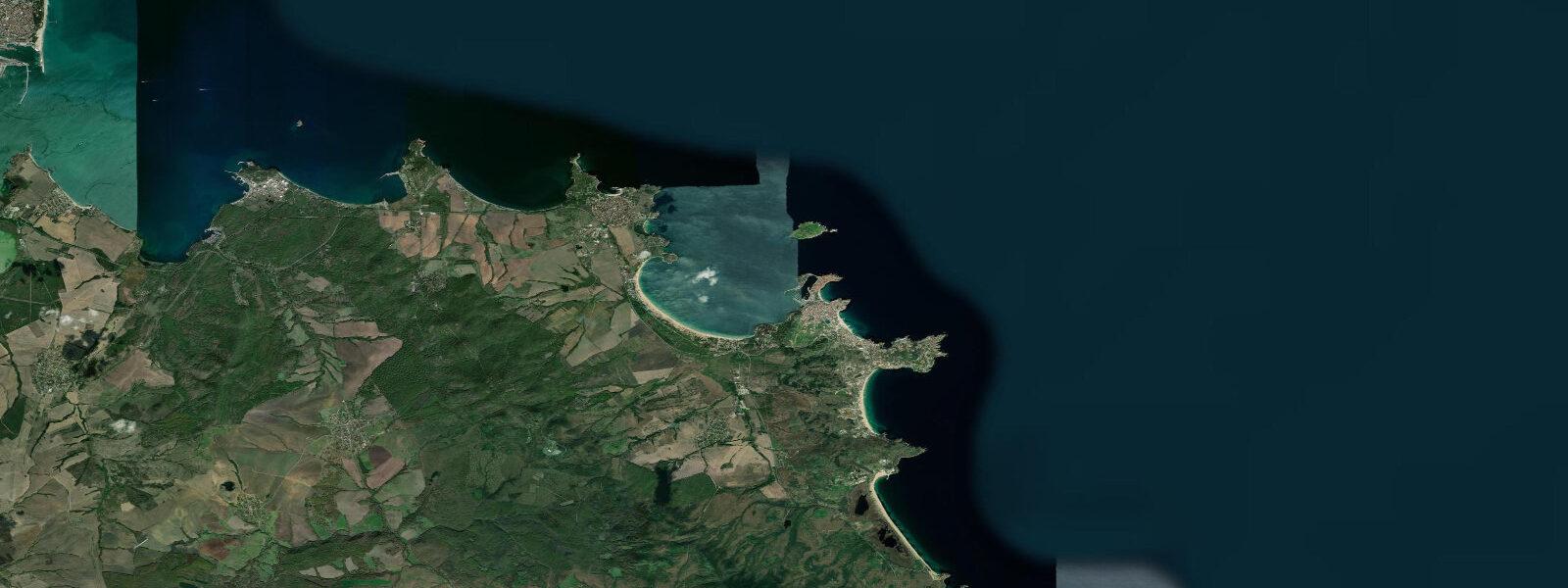
Sozopol tide times
Sozopol tide forecast — heights relative to MSL.
Today's tide times for Sozopol
Tide times at Sozopol on Tuesday, 4 August 2026: first low tide at 12:00pm. Sunrise 06:03am, sunset 08:26pm.
Tide chart for Sozopol
24-hour cosine-interpolated curve around the present moment. Heights relative to MSL. Predictions: Predictions: Open-Meteo Marine (MeteoFrance SMOC, 0.08° grid).
Sun, moon and conditions on Tue 04 Aug
Snapshot at build time — refreshes daily. Sea state from Open-Meteo Marine.
Highs and lows next 7 days
Every predicted high and low for the next week, with the daily tidal coefficient (0–120; higher = bigger swing, > 95 means stronger currents).
Other spots nearby
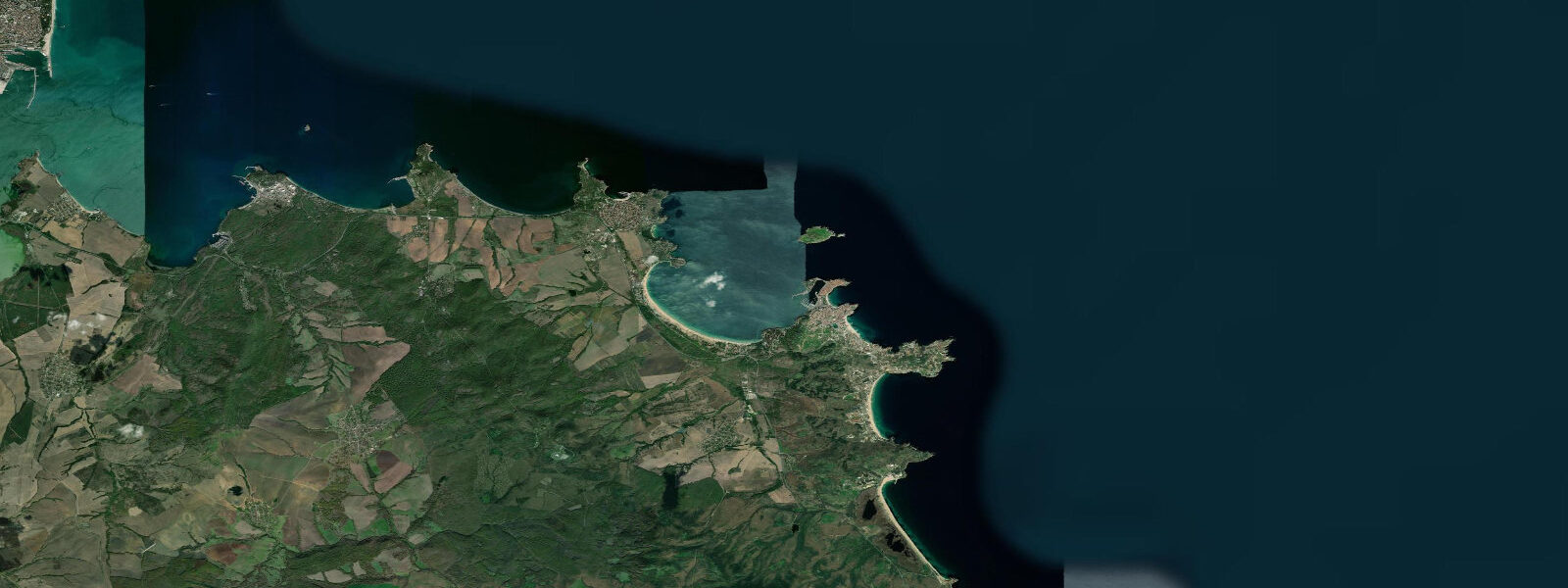
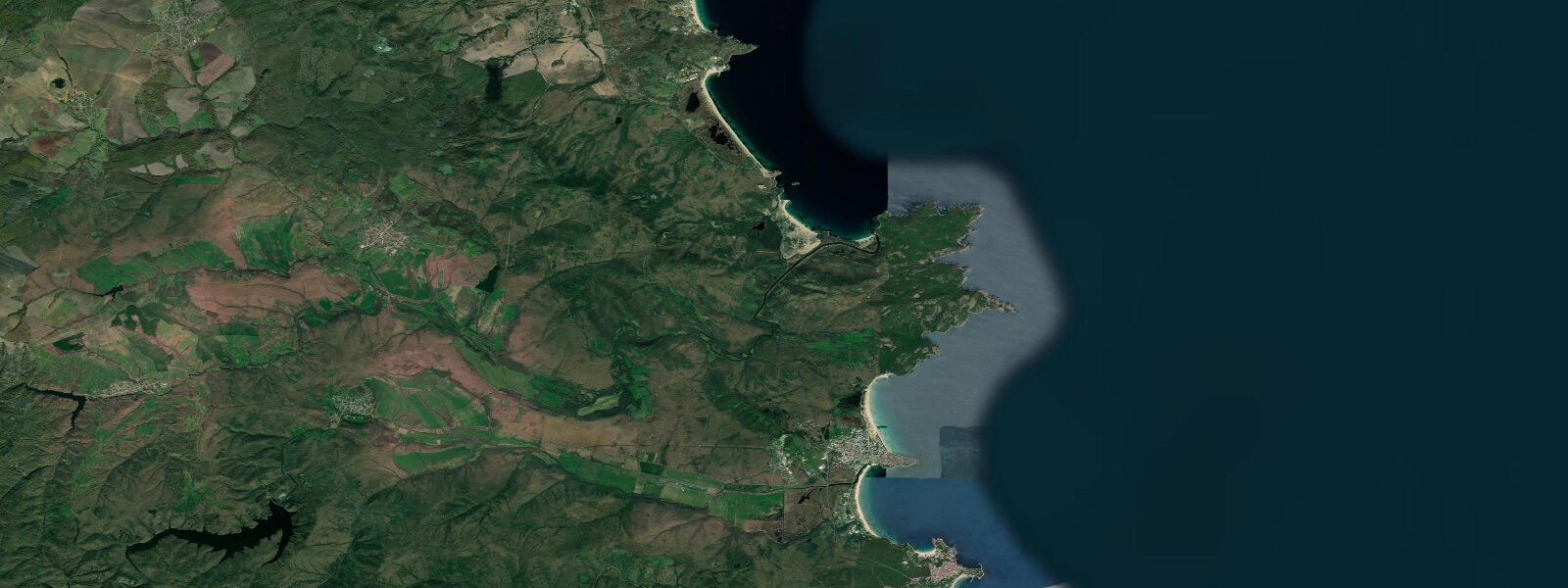
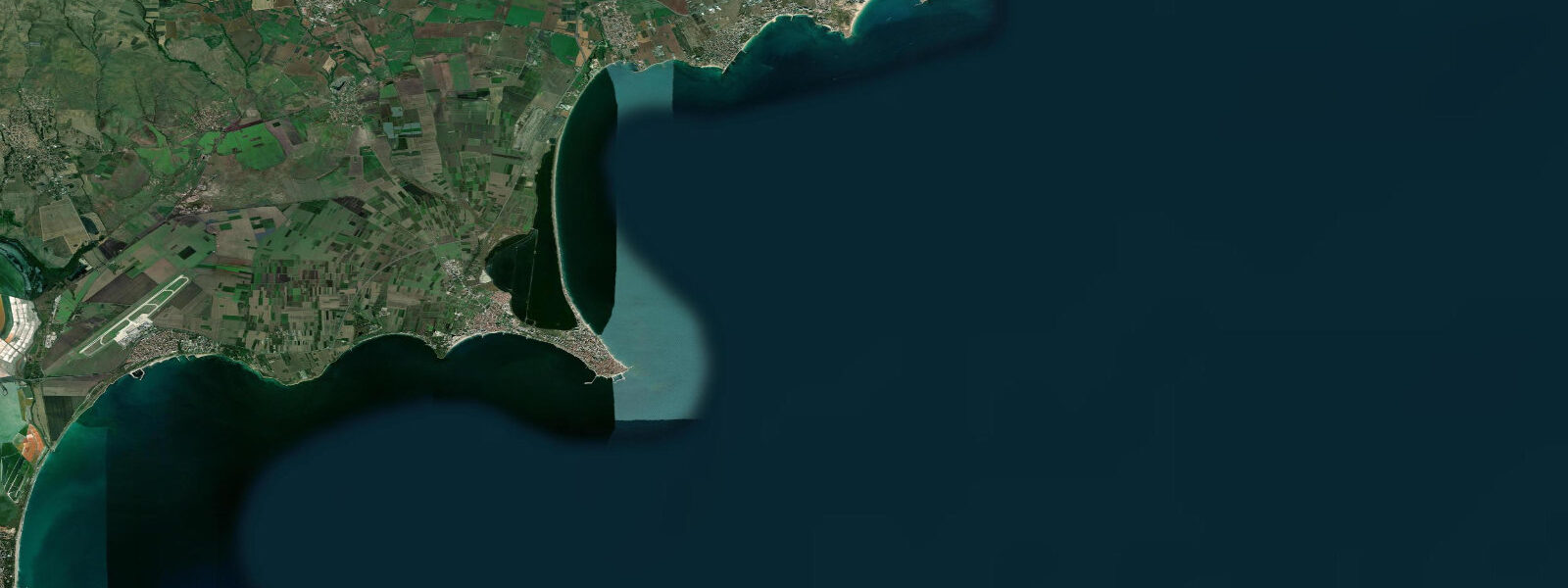
The three closest curated TideTurtle locations to Sozopol, measured by great-circle distance.
Today's solunar windows
Solunar tradition: major periods are the ≈3h windows around moon transit and opposition; minor are ≈2h around moonrise and moonset. Pair with the local tide stage and wind for the best read.
About tides at Sozopol
A short guide to the coastline at Sozopol — geography, sea state, and what the tide is actually doing under your feet.
Sozopol is the oldest continuously inhabited town on the Bulgarian coast, founded as Apollonia Pontica in the 7th century BCE by Greek colonists from Miletus on the southern Black Sea coast of modern Turkey. The colony became one of the most significant Greek cities on the western Pontic coast; an over-lifesize bronze statue of Apollo, described by ancient sources as standing roughly 13 metres tall, stood in the ancient city until it was removed by the Roman general Lucullus in 72 BCE and taken to Rome, where it was set up on the Capitoline Hill. The Old Town occupies a rocky peninsula of granite and gneiss projecting south-east from the modern town, a geological contrast to the limestone of most of the Bulgarian coast.
The natural stone gives the Old Town its distinctive appearance: grey granite foundations and outcrops underlie the 19th-century National Revival-style wooden houses with their characteristic overhanging upper floors and red-tile roofs. The mediaeval city wall survives in sections along the peninsula perimeter, and the narrow lanes between the old houses descend to small rock platforms and wooden fishing boat moorings at the sea edge. The fishing fleet based at Sozopol is one of the more active small-boat fleets on the Bulgarian coast; the main catch in summer is horse mackerel, anchovy, and bluefish (Pomatomus saltatrix).
Two beaches serve the town. Town Beach (Gradska Plazha) is north of the Old Town peninsula, facing north-west into Burgas Bay; it is the more sheltered beach, with a sandy bottom and a generally calm fetch. Harmani Beach faces south-east on the exposed outer Pontic side of the peninsula and is longer, sandier, and more subject to the open Black Sea swell when the wind runs from the north-east or east.
The tidal regime at Sozopol is, like all Bulgarian Black Sea locations, essentially non-tidal. Astronomical range 5 to 15 centimetres — no practical impact on beach use, harbour operations, or any coastal activity. The sea level at Sozopol is controlled by meteorology: the bielan north-easterly raises it, south-westerly winds lower it.
8 metres above the mean at the sheltered Town Beach side of the peninsula. The NIMH Burgas gauge is the reference station. Shore diving from the rocky points around the Sozopol peninsula is well-regarded on the Bulgarian coast.
The granite substrate holds richer structure than the sandy bottom that dominates the Nessebar area; crevices, overhangs, and larger boulders at 4 to 12 metres depth support grouper (Epinephelus marginatus), sea bass, and black scorpionfish (Scorpaena porcus). Visibility runs 6 to 12 metres in calm conditions off the outer rock points; the granitic bottom holds fewer fine sediments than the limestone coasts to the north and recovers clarity faster after wind events. The Apollonia Arts Festival in early September is the largest arts and culture festival in Bulgaria, running for ten days with theatre, film, music, and visual art events staged across the Old Town.
Venue capacity in the Old Town is limited; accommodation fills well in advance for the festival period. The Social Museum of Sozopol, in the Old Town, holds objects and photographs from the town's 20th-century fishing and boat-building heritage, giving context to the working harbour below the peninsula. Predictions on this page come from Open-Meteo Marine, a gridded global ocean model.
For the Black Sea, where the astronomical range is 5 to 15 centimetres, the model's accuracy margin substantially exceeds the tidal signal; treat the high and low predictions as approximate only.
Tide questions about Sozopol
Quick answers to the most common questions about tide times, range, and water access at Sozopol.
When is the next high tide at Sozopol?
The hero block shows the next predicted high at Sozopol in local Eastern European Time (EET/EEST, UTC+2/UTC+3). The Black Sea astronomical tidal range at Sozopol is 5 to 15 centimetres — no practical difference between high and low water at the beach or the harbour. Sea level here is controlled by wind and atmospheric pressure. The bielan north-easterly is the main surge driver; south-westerly storm tracks in autumn can also raise the water in Burgas Bay. NIMH (National Institute of Meteorology and Hydrology) Bulgaria operates the Burgas gauge and publishes authoritative sea-level and storm-surge data for this section of coast.
What happened to the ancient bronze statue of Apollo at Sozopol?
The bronze Colossus of Apollonia — an over-lifesize statue of Apollo described by ancient sources as standing approximately 13 metres tall — was one of the most significant works of ancient Greek monumental sculpture on the Pontic coast. The Roman general Marcus Licinius Lucullus, campaigning against Mithridates VI of Pontus in 72 BCE, captured Apollonia Pontica (Sozopol) and removed the Apollo statue as war spoils. The statue was transported to Rome and erected on the Capitoline Hill. It does not survive; presumably melted down during one of the later periods of metal scavenging in the city. The ancient city of Apollonia itself extended across the modern peninsula and the adjacent mainland; systematic archaeological work continues to locate buried remains.
What is the difference between Town Beach and Harmani Beach at Sozopol?
Town Beach (Gradska Plazha) is on the north-west side of the Old Town peninsula, facing into Burgas Bay. It is the more sheltered option: the bay geometry blocks most of the open Black Sea swell from the east and north-east, and the beach is generally calm except during southerly storms in autumn. Harmani Beach is on the south-east side of the peninsula, facing the open Black Sea; it receives the full swell from north-easterly and easterly wind events and builds significant shore-break during the bielan. Harmani is longer and wider than Town Beach and has more beach concession infrastructure. For calm swimming, Town Beach is the consistent choice regardless of wind direction.
Is the shore diving at Sozopol worth the trip?
Shore diving from the rocky granite points around the Sozopol peninsula is considered among the better Black Sea diving on the Bulgarian coast. The granite substrate creates more varied structure than the sandy seabed typical of the central Bulgarian coast; crevices, ledges, and granite boulders at 4 to 12 metres support grouper, sea bass, and black scorpionfish. Visibility runs 6 to 12 metres in calm conditions off the outer points and recovers relatively quickly after wind events because the granite holds fewer fine sediments than limestone coasts. There is no dedicated dive centre at the Old Town itself; operators in Burgas (22 kilometres north) serve the Sozopol dive sites. No boat is required for the near-shore dives; entry from the rock platforms is straightforward for experienced shore divers.
Where do these tide predictions come from?
Open-Meteo Marine, a free gridded global ocean model. For the Black Sea, where the astronomical tidal range is only 5 to 15 centimetres, the model's standard accuracy — typically plus or minus 45 minutes on timing and 0.2 to 0.3 metres on height — is an order of magnitude larger than the tidal signal. The predictions on this page are approximate in the extreme; they identify the approximate rhythm of minor water-level oscillation but have no practical significance for beach access, fishing timing, or boat operations. NIMH Bulgaria (Burgas gauge) is the authoritative source for sea-level and storm-surge data on this section of the Black Sea coast. This page is not suitable for navigation.
7-day tide table — Sozopol
Heights relative to MSL. Predictions: Open-Meteo Marine (MeteoFrance SMOC, 0.08° grid) — heights relative to MSL (not chart datum / LAT). Model-derived.
| Day | Type | Time | Height |
|---|---|---|---|
| Tue 04 Aug | Low | 12:00 | -0.4m |
| Wed 05 Aug | — | ||
| Thu 06 Aug | — | ||
| Fri 07 Aug | High | 21:00 | -0.3m |
| Sat 08 Aug | — | ||
| Sun 09 Aug | — | ||
| Mon 10 Aug | Low | 07:00 | -0.4m |