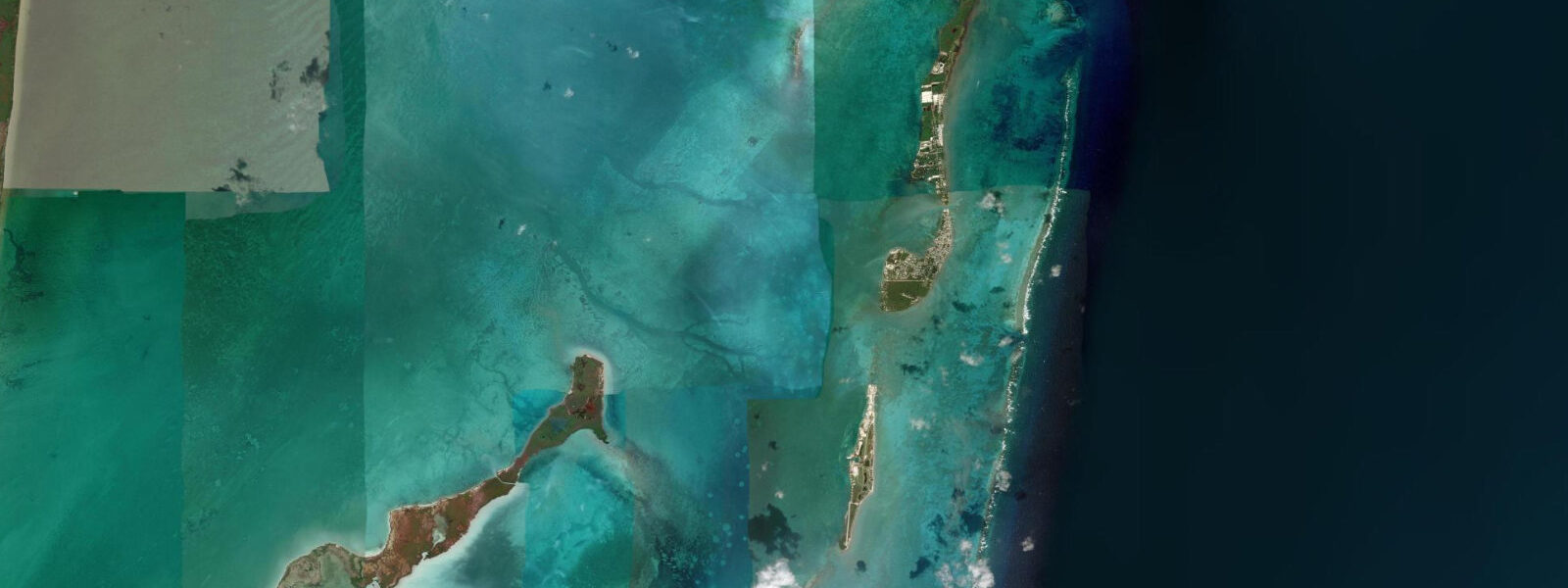
Caye Caulker, Belize tide times
Caye Caulker, Belize tide forecast — heights relative to MSL.
Tide chart for Caye Caulker, Belize
24-hour cosine-interpolated curve around the present moment. Heights relative to MSL. Predictions: Predictions: Open-Meteo Marine (MeteoFrance SMOC, 0.08° grid).
Sun, moon and conditions on Mon 03 Aug
Snapshot at build time — refreshes daily. Sea state from Open-Meteo Marine.
Highs and lows next 7 days
Every predicted high and low for the next week, with the daily tidal coefficient (0–120; higher = bigger swing, > 95 means stronger currents).
Other spots nearby
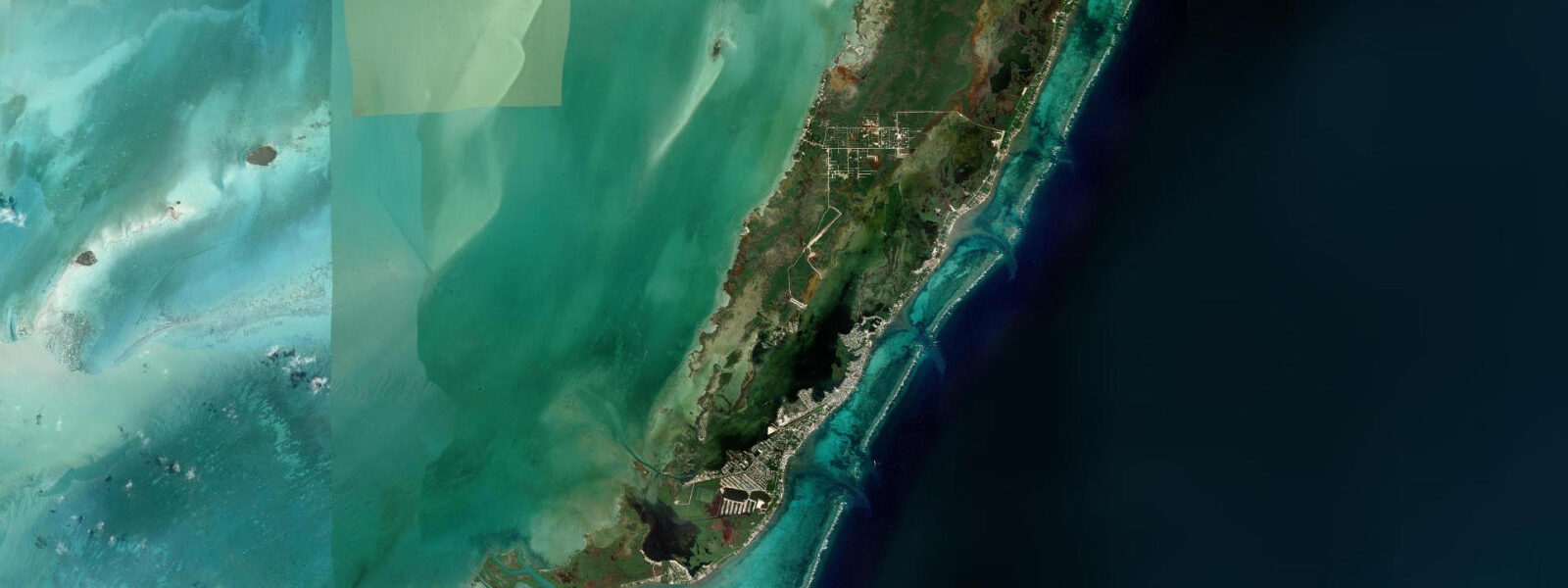
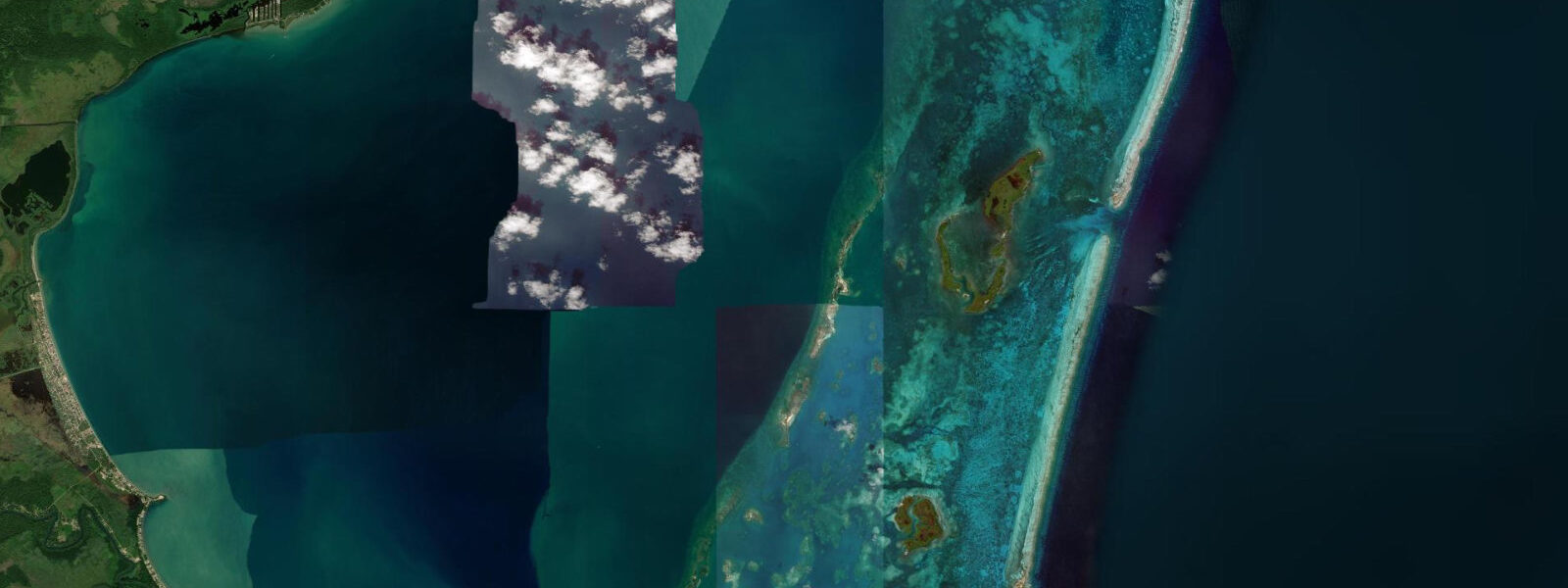
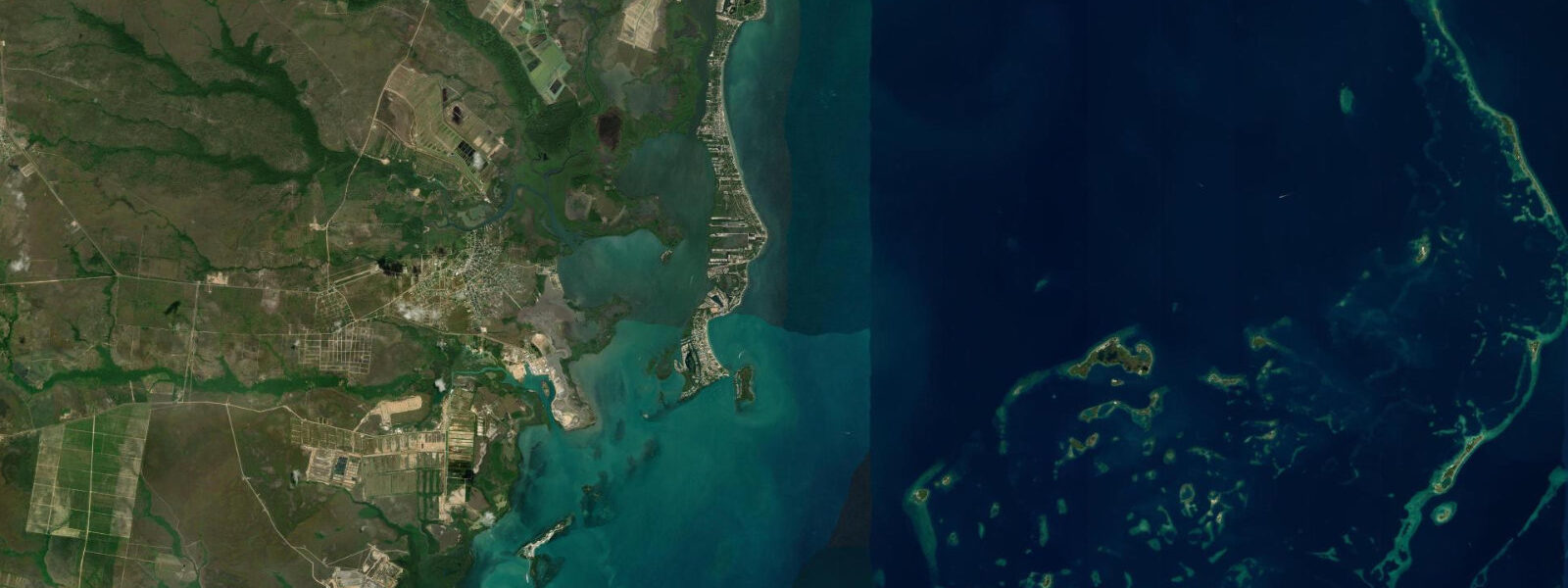
The three closest curated TideTurtle locations to Caye Caulker, Belize, measured by great-circle distance.
Today's solunar windows
Solunar tradition: major periods are the ≈3h windows around moon transit and opposition; minor are ≈2h around moonrise and moonset. Pair with the local tide stage and wind for the best read.
About tides at Caye Caulker, Belize
A short guide to the coastline at Caye Caulker, Belize — geography, sea state, and what the tide is actually doing under your feet.
Caye Caulker is a small flat island 35 km northeast of Belize City, separated from the Belize Barrier Reef by a 1–2 km wide lagoon. The island’s best-known cultural export is the phrase “go slow” — painted on signs, printed on shirts, and articulated by the pace of everything from the water taxis to the bar service. This is not mysticism; it is accurate description of an island that has fewer vehicles, less development, and more hammock time per square metre than its larger neighbour to the north, San Pedro. The island is 8 km long and narrow — the widest point is less than 500 m.
The tidal regime is microtidal: spring range 0.2–0.4 m above Chart Datum, mixed semidiurnal, neap range 0.1–0.2 m. The most significant local tidal feature on Caye Caulker is The Split — a narrow channel that cuts entirely through the island near its northern end, created by Hurricane Hattie in 1961. The Split is the primary social space on the island: a sandy shore on the lagoon side with a bar, a swim dock, and clear water for jumping in. At low spring water, the channel narrows from 40 m to approximately 30–32 m and shallows from 2.0–3.5 m to 1.5–2.5 m, reducing the swimming depth toward the north side. The current through The Split on spring tides runs 0.3–0.6 knots, and on the ebb the current pulls eastward toward the reef — a noticeable drift for swimmers.
For snorkelling and diving, the operations on Caye Caulker work the same reef system as San Pedro — Hol Chan Marine Reserve is 20 minutes south by boat. The Caye Caulker Marine Reserve wraps around the northern end of the island and covers reef formations between the island and the barrier reef. Snorkel depth in the marine reserve is 1.5–5 m; dive depth on the inner reef is 5–15 m. The same tidal dynamics apply: ebb current through reef passes runs 0.5–1.0 knots and concentrates fish. Most day trips from Caye Caulker run to Hol Chan in the morning and return to the marine reserve around the island in the afternoon.
The western (lagoon) shore of Caye Caulker faces toward the Belizean mainland and is where the water taxi dock and the main Front Street commercial strip are located. The lagoon here is 1.5–2.5 km wide and 1.5–3.5 m deep at mid-tide. Small pangas cross the lagoon at all tidal stages. The lagoon bottom in front of the village is sand and turtle grass; green turtles are common in this area, grazing in 1–3 m of water.
For paddlers, the calm lagoon west of Caye Caulker is the easiest kayaking water in the area. Tidal current in the open lagoon is 0.1–0.2 knots — negligible. The mangrove channels on the island’s south end are accessible by flat-bottomed kayak on the flood when depth in the narrower channels reaches 0.3–0.6 m. On a spring low, some interior channels drop below 0.2 m and become too shallow for even a kayak; the main outer lagoon-side channels remain navigable. The mangroves support a resident population of small crocodiles (American crocodile, non-aggressive at this scale), visible on the banks at low water when they bask.
Bonefish and permit move onto the grass flats on the lagoon side of the island on the flood tide. The flats in 15–40 cm of water on a spring flood are the productive zone. Caye Caulker has far fewer dedicated fly-fishing guides than San Pedro, but a handful of local operators run half-day flat sessions from the village dock. Tarpon are present in the deeper channels at the island’s south end year-round.
For photographers, Caye Caulker offers two distinct visual modes: the village itself — painted wood buildings, cats sleeping on steps, the slow morning pace of the main street — and the open-water light at The Split, where the blue lagoon, the reef line to the east, and the mangrove edge frame a clean, low-horizon shot. Sunrise over the reef side (east) catches colour from 06:00; the lagoon-side bar at The Split faces west for sunsets.
All tide predictions for Caye Caulker come from the Open-Meteo Marine gridded model. Timing accuracy is ±45 minutes; height accuracy is ±0.3 m above Chart Datum.
Tide questions about Caye Caulker, Belize
Quick answers to the most common questions about tide times, range, and water access at Caye Caulker, Belize.
What is the tidal range at Caye Caulker and how does it affect The Split?
Caye Caulker has a mixed semidiurnal tidal range of 0.2–0.4 m on springs. The Split — the channel cutting through the island’s north end — narrows and shallows by 0.3–0.4 m at spring low water compared to high water. At low tide the channel is 30–32 m wide and 1.5–2.5 m deep on the north side; at high tide it widens slightly and reaches 2.0–3.5 m. The ebb current through The Split runs 0.3–0.6 knots eastward — a perceptible drift for swimmers. The swim area is safe at all tidal stages but most comfortable at mid to high water when depth is greatest and current is below its spring-ebb peak. Tide predictions carry ±45 minutes and ±0.3 m uncertainty from the Open-Meteo Marine model.
Can I snorkel the Caye Caulker Marine Reserve independently, and does tide matter?
The Caye Caulker Marine Reserve wraps around the island’s northern end in 1.5–15 m of water. Swimming directly from shore to the inner reef patches is possible for confident open-water swimmers — the distance is 300–600 m depending on location. On the ebb tide, the current runs east toward the reef, assisting the outbound swim but making the return harder. Mid-flood to high water gives the most benign conditions: current is lower, depth over the shallowest reef sections is better (0.5–1.0 m clearance vs 0.1–0.5 m at low water), and the return swim is with a mild oncoming current to push you back to shore. Most visitors join organized snorkel tours — the operator boat manages the tidal timing for you.
How does Caye Caulker differ from San Pedro for fishing and diving?
Caye Caulker accesses the same reef and flat systems as San Pedro but with fewer operators, lower boat traffic on the reef, and a more informal guiding culture. Dive sites and snorkel spots — including Hol Chan and Shark Ray Alley — are the same; the Caye Caulker trip is 20–30 minutes longer by boat. For flats fishing, San Pedro has more dedicated fly-fishing guides and better-developed guide services; Caye Caulker has a handful of local operators who know the southern lagoon-side flats well. Tarpon are present in the deep channels south of the island at all tidal stages; bonefish work the flood-tide flats on the island’s west side. Expect a less structured experience than San Pedro and lower prices for most activities.
Are there crocodiles in the mangroves near Caye Caulker, and when are they most visible?
American crocodiles (Crocodylus acutus) are resident in the mangrove channels on Caye Caulker’s south end. They are most visible basking on exposed banks at low water, when tidal drainage leaves open mud or sand surfaces near the channel margins. The animals are not aggressive toward humans at normal encounter distances — give them 5–10 m of space and do not approach from the water side. At high water, the crocodiles move into the flooded mangrove interior and are rarely seen from a kayak. The crocodile population is protected under Belizean law. Most kayak tours around the south end include a crocodile-sighting component; sightings are not guaranteed but common on low-water morning paddles.
Does the water taxi service between Caye Caulker and Belize City depend on the tide?
San Pedro Water Taxis and Ocean Ferry Belize run the Belize City–Caye Caulker–San Pedro route on a fixed timetable throughout the day. The dock at Caye Caulker village is in 1.5–3.0 m at mid-tide; the 0.3–0.4 m spring tidal range does not reduce depth below operational minimums for the fast pangas used on this route. Cancellations on this service are caused by northers — winter cold fronts bringing rough seas on the 35 km open-water crossing — not by tidal state. The crossing takes approximately 45 minutes to Belize City and 30 minutes to San Pedro. Buy tickets at the dock on the day; no reservation is required.
8-day tide table — Caye Caulker, Belize
Heights relative to MSL. Predictions: Open-Meteo Marine (MeteoFrance SMOC, 0.08° grid) — heights relative to MSL (not chart datum / LAT). Model-derived.
| Day | Type | Time | Height |
|---|---|---|---|
| Mon 03 Aug | — | ||
| Tue 04 Aug | Low | 07:00 | 0.0m |
| Wed 05 Aug | — | ||
| Thu 06 Aug | High | 01:50 | 0.1m |
| Low | 09:00 | -0.0m | |
| Fri 07 Aug | High | 03:10 | 0.2m |
| Low | 10:00 | -0.1m | |
| Sat 08 Aug | High | 04:00 | 0.2m |
| Low | 11:00 | -0.1m | |
| High | 18:00 | 0.2m | |
| Sun 09 Aug | Low | 11:54 | -0.1m |
| Mon 10 Aug | High | 06:00 | 0.2m |