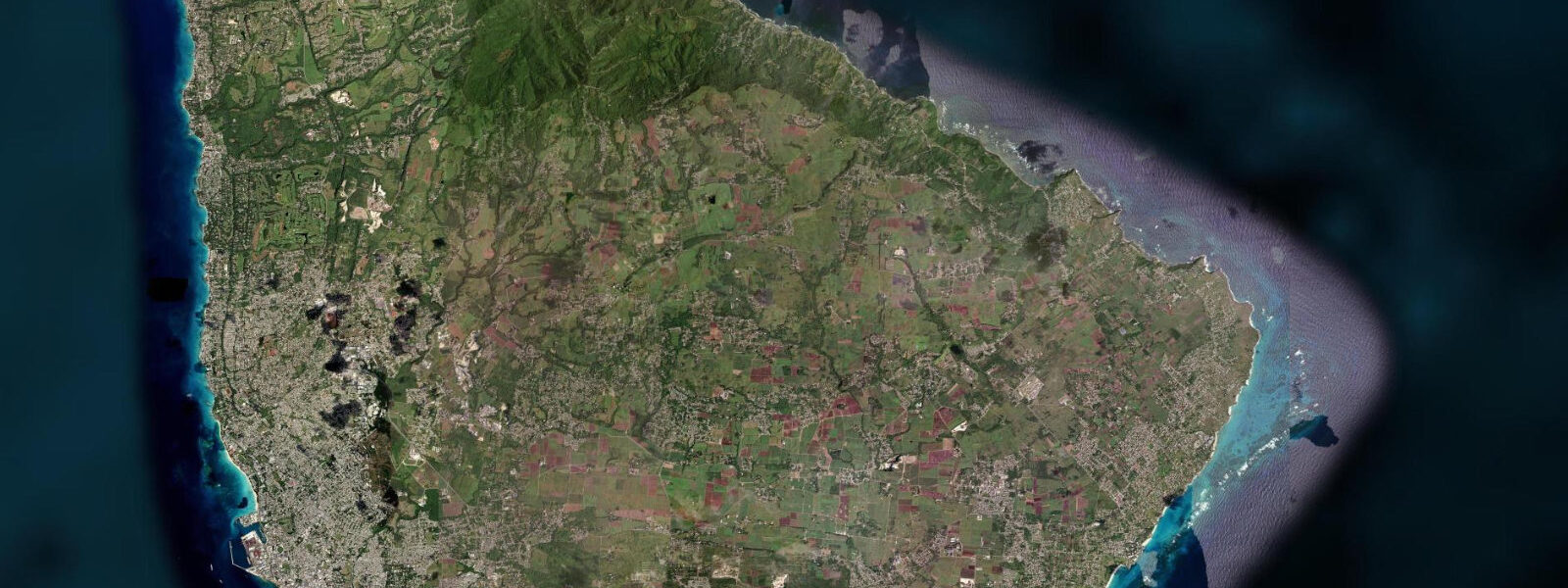
Crane Beach tide times
Crane Beach tide forecast — heights relative to MSL.
Today's tide times for Crane Beach
Tide times at Crane Beach on Tuesday, 4 August 2026: first high tide at 06:50pm. Sunrise 05:43am, sunset 06:23pm.
Tide chart for Crane Beach
24-hour cosine-interpolated curve around the present moment. Heights relative to MSL. Predictions: Predictions: Open-Meteo Marine (MeteoFrance SMOC, 0.08° grid).
Sun, moon and conditions on Tue 04 Aug
Snapshot at build time — refreshes daily. Sea state from Open-Meteo Marine.
Highs and lows next 7 days
Every predicted high and low for the next week, with the daily tidal coefficient (0–120; higher = bigger swing, > 95 means stronger currents).
Other spots nearby
The three closest curated TideTurtle locations to Crane Beach, measured by great-circle distance.
Today's solunar windows
Solunar tradition: major periods are the ≈3h windows around moon transit and opposition; minor are ≈2h around moonrise and moonset. Pair with the local tide stage and wind for the best read.
About tides at Crane Beach
A short guide to the coastline at Crane Beach — geography, sea state, and what the tide is actually doing under your feet.
Crane Beach is in Saint Philip parish on the southeast coast of Barbados, at the base of a clifftop that has given the Crane Hotel — established in 1887 and one of the oldest hotels in the Caribbean still in operation — its commanding position above the water. The beach is a 200-metre arc of pink-tinged coral sand, the colour coming from the coral fragments and foram shells in the sand composition. The pink tinge is subtle rather than dramatic — more visible when the sand is wet and reflecting light than when it is dry — but it is a genuine characteristic of the Crane Beach sand that distinguishes it from the whiter beaches on the west and south coasts.
The beach is exposed to the southeast Atlantic on a coast that faces roughly 120 degrees, meaning southeast swell enters the bay directly. When southeast swell is running — most consistently in July and August, driven by the southern hemisphere swell systems that wrap around the Atlantic — Crane Beach produces a beach break that is unusual for Barbados's south coast: a proper surfable wave breaking over sand rather than reef. The wave is inconsistent (it requires the right swell direction and sufficient height, conditions that align a few dozen days per year) and the shore break can be heavy.
The rest of the year the bay receives the diffracted residual of northeast trade wind swell from the east coast, which is significantly reduced by the time it wraps around South Point, and the sea is typically manageable for swimming. The clifftop position of the Crane Hotel gives a view over the beach and the southeast Atlantic that is one of the most photographed hotel vantages in Barbados. The hotel complex has expanded over the decades to include a residential development of suites and apartments on the clifftop; day access to the beach includes a beach facility charge that entitles use of the hotel's cliff-edge pool.
The access to the beach itself from the public road involves either passing through the hotel or using the public right of access at the south end of the beach. The beach arc is backed by low red-brown cliff in the same coral limestone as most of Barbados's east and southeast coast. Several sea caves have been cut into the cliff base by wave action and are accessible at low water on calm days.
7 metres — the small range of the Caribbean-adjacent southeast coast. Predictions on this page come from Open-Meteo Marine, a gridded global ocean model. 3 metres on height — model-derived, not from a local gauge.
The Caribbean Institute of Meteorology and Hydrology (CIMH) is the regional hydrometeorological reference authority.
Tide questions about Crane Beach
Quick answers to the most common questions about tide times, range, and water access at Crane Beach.
Why is Crane Beach sand pink?
The pink tint in Crane Beach sand comes from the high proportion of coral fragments and the shells of foraminifera — single-celled marine organisms that build calcium carbonate shells — mixed into the sand. The foram shells are naturally pink to red in colour; when mixed with the white coral sand fragments they produce the blush tone that is most visible when the sand is wet. The colour is subtle rather than the vivid pink of Harbour Island in the Bahamas, but it is a genuine distinguishing characteristic of this beach. The sand composition reflects the reef and carbonate environment offshore.
Is Crane Beach good for surfing?
Crane Beach is one of a small number of beach breaks in Barbados that work with sufficient swell, but the conditions align inconsistently. Southeast swell in July and August (driven by southern hemisphere winter storm systems that propagate north across the Atlantic) is the most productive window. When a 1.5 to 2 metre southeast swell hits the bay at the right angle, the beach break can produce waves comparable to a moderate Atlantic beach break — not the power of the east coast reef breaks, but a wave with form. A surf height and swell direction forecast is necessary before making the drive from the west coast.
Can visitors access Crane Beach without staying at the hotel?
Yes. Crane Beach is a public beach and cannot be closed to public access. The practical route involves either a small beach facility charge to use the hotel's access and facilities, or the public right of access at the southern end of the beach via the public road. The hotel's clifftop pool is for hotel guests and resort members only; the beach itself is open. The distinction between the hotel's private facilities and the public beach is a common source of confusion on arrival.
When was the Crane Hotel built?
The Crane Hotel was established in 1887, making it one of the oldest hotels in the Caribbean in continuous operation. The original building was a two-storey coral stone structure on the clifftop; the name came from the cargo crane that once operated on the cliffs above the beach, lowering goods from ships that could not enter the harbour. The hotel was initially popular with sea-bathing tourists from Bridgetown in the era when the east and southeast coast's wave energy was considered therapeutic. It has expanded significantly since, but the original coral stone section is still standing.
What is the swimming like at Crane Beach?
Crane Beach is generally swimmable on most days outside the southeast swell season. The bay faces roughly southeast, which means it receives less of the dominant northeast trade wind swell (which attacks the east coast directly) and more of the swell that has wrapped around South Point. When no significant swell is running, the bay is calm enough for safe swimming with no reef hazard close to shore. During southeast swell events (July to August primarily), the shore break becomes heavy and swimming is not advisable. Check the swell direction forecast: northeast swell over 1.5 metres at Crane is usually manageable; southeast swell over 1.0 metre changes the bay character significantly.
7-day tide table — Crane Beach
Heights relative to MSL. Predictions: Open-Meteo Marine (MeteoFrance SMOC, 0.08° grid) — heights relative to MSL (not chart datum / LAT). Model-derived.
| Day | Type | Time | Height |
|---|---|---|---|
| Tue 04 Aug | High | 18:50 | 0.5m |
| Wed 05 Aug | — | ||
| Thu 06 Aug | Low | 02:45 | -0.1m |
| High | 09:00 | 0.3m | |
| Fri 07 Aug | Low | 04:00 | -0.1m |
| High | 11:00 | 0.3m | |
| Low | 15:10 | 0.2m | |
| Sat 08 Aug | High | 23:15 | 0.5m |
| Sun 09 Aug | Low | 06:40 | -0.2m |
| High | 13:20 | 0.4m | |
| Low | 18:00 | 0.1m | |
| Mon 10 Aug | High | 00:20 | 0.6m |
| Low | 19:00 | 0.1m | |