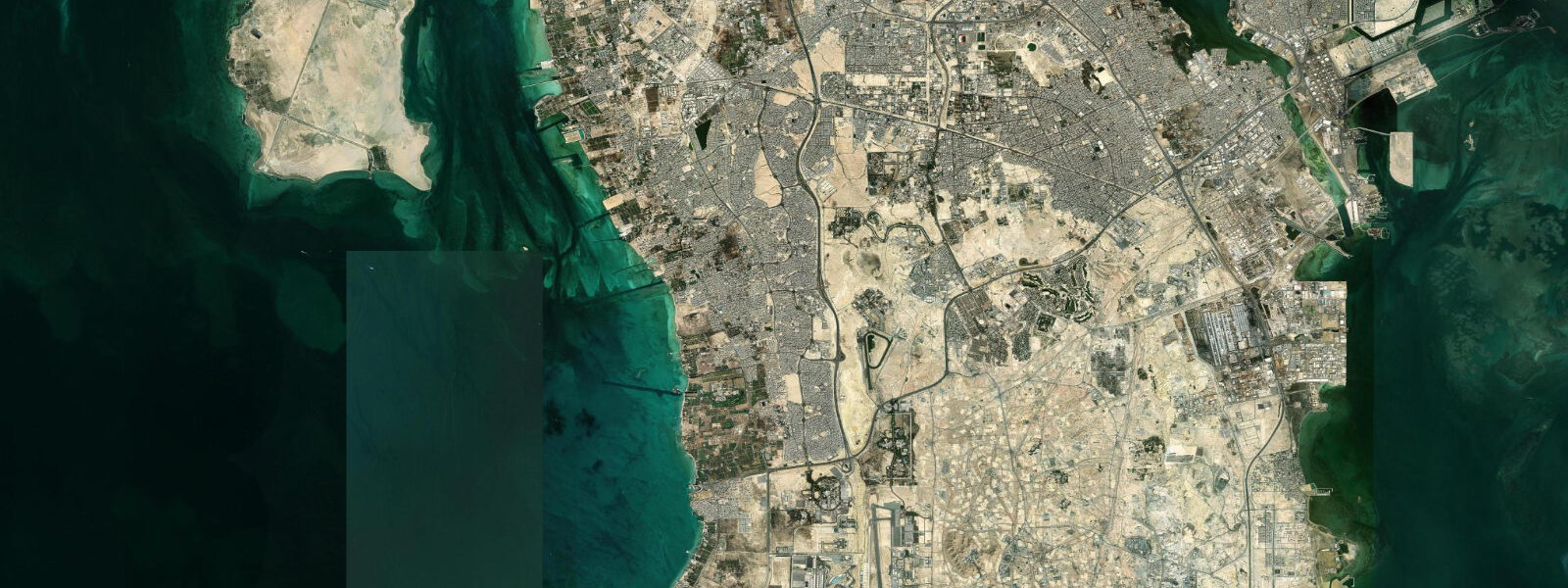
Zallaq Beach tide times
Zallaq Beach tide forecast — heights relative to MSL.
Today's tide times for Zallaq Beach
Tide times at Zallaq Beach on Tuesday, 4 August 2026: first high tide at 03:00am, first low tide at 05:24am. Sunrise 05:04am, sunset 06:23pm.
Tide chart for Zallaq Beach
24-hour cosine-interpolated curve around the present moment. Heights relative to MSL. Predictions: Predictions: Open-Meteo Marine (MeteoFrance SMOC, 0.08° grid).
Sun, moon and conditions on Tue 04 Aug
Snapshot at build time — refreshes daily. Sea state from Open-Meteo Marine.
Highs and lows next 7 days
Every predicted high and low for the next week, with the daily tidal coefficient (0–120; higher = bigger swing, > 95 means stronger currents).
Other spots nearby
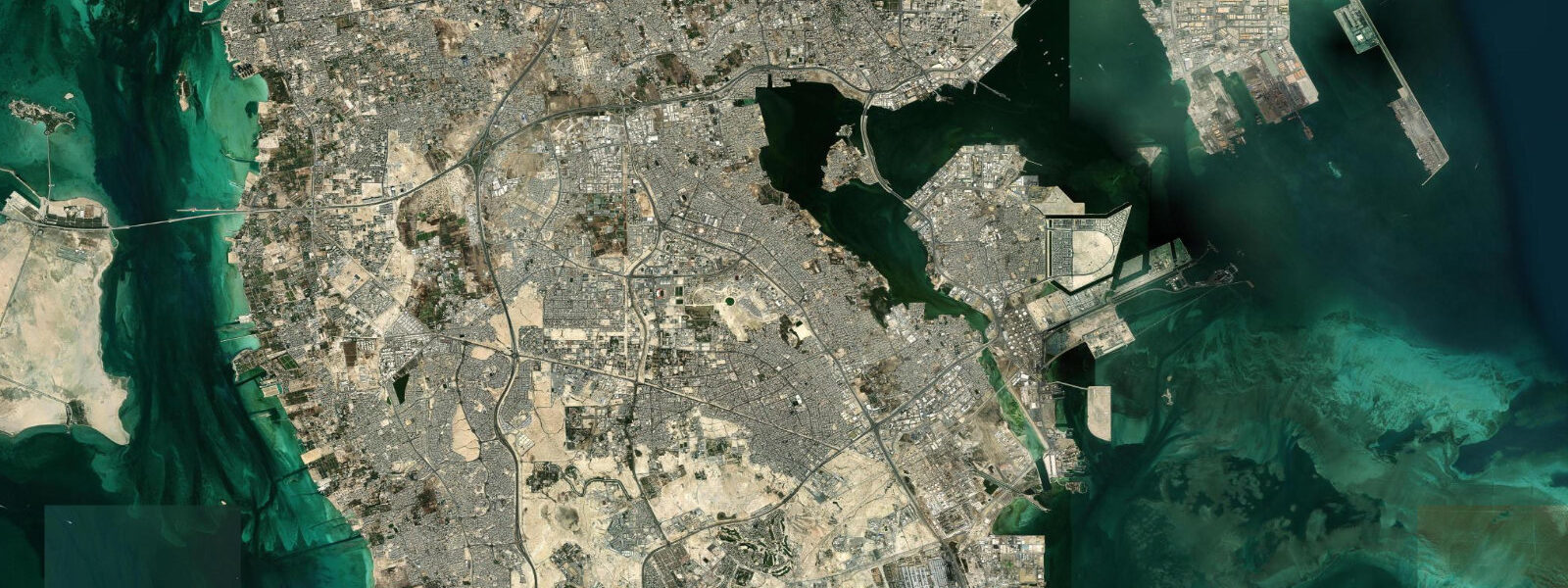
The three closest curated TideTurtle locations to Zallaq Beach, measured by great-circle distance.
Today's solunar windows
Solunar tradition: major periods are the ≈3h windows around moon transit and opposition; minor are ≈2h around moonrise and moonset. Pair with the local tide stage and wind for the best read.
Cycle dates near Zallaq Beach
Next spring tide on Mon 10 Aug (range 0.7m). Last neap on Tue 04 Aug.
Spring tides cluster around new and full moons (biggest swings). Neap tides land on quarter moons (smallest swings). See the spring tide and neap tide glossary entries for the why.
About tides at Zallaq Beach
A short guide to the coastline at Zallaq Beach — geography, sea state, and what the tide is actually doing under your feet.
Zallaq Beach sits on the southwestern arc of Bahrain Island, a broad sandy stretch where the shallow Gulf rolls in over a sand and shell-gravel bottom. This is quieter than the resorts near Manama — the former fishing village of Zallaq retains the feel of a coastal settlement that existed long before Bahrain's oil economy reshaped the island. The Formula 1 circuit at Sakhir is just inland, which means the area is well-served by roads but the beach itself is not overcrowded except during race weekends when the whole southern district fills up.
The tides here follow the semi-diurnal Gulf pattern, but the southern position and the broad shallow shelf means low tide exposes considerable distance — at spring low tide, the waterline retreats by 50-100 m from the high tide mark, revealing hard sandy flats popular with families collecting shells and observing tidal flat wildlife. Greater flamingos work these flats in winter and spring, a genuine spectacle against the turquoise water when flocks of hundreds gather on the exposed sand. Spring tidal range is typically 1.2-1.6 m on this southern side of the island.
The water temperature regime at Zallaq mirrors the rest of Bahrain's shallow coast — climbing to 33°C in late summer, dropping to a brisk 18°C in January. The warmth and shallow depth makes the southern coast ideal for winter swimming compared to European standards, but the summer heat is a real deterrent to staying outdoors. The best swimming is October through April, with March and April particularly pleasant when the water has warmed slightly from winter lows and the air temperature is still manageable at 22-30°C.
Zallaq is known historically as a pearl-diving area. The offshore banks here are part of the same pearl grounds that once stretched from Kuwait to Oman. A UNESCO World Heritage designation covers Bahrain's pearl-diving landscape, and Zallaq is within the cultural landscape associated with this history. The local boats — low, broad-beamed wooden vessels built for working the shallow banks — can still occasionally be seen hauled up on the beach or moored in the small harbour at the village end. These vessels look almost identical to boats depicted in photographs from the 1920s and 1930s, when pearl diving was the island's economic backbone.
For families, Zallaq offers a real beach with space and good access rather than a hotel-privatised strip. The shallow gradient means children can wade safely for some distance even at mid-tide, and the bottom is clean sand and fine shell rather than rock or coral. The beach is public and free. Jellyfish appear occasionally in summer, and the annual March-April window is the most reliable for clear, calm, jellyfish-free water before the Gulf heats up for the season. Sunset from the southwestern-facing shore in winter is excellent — the low arc of the sun over the Arabian Gulf, the flamingos silhouetted on the flats, and the Saudi coast hazy on the horizon make for one of Bahrain's better coastal moments.
The beach at Zallaq extends for several kilometres without significant interruption from hotel or resort development, which is increasingly rare on the developed Gulf coast. The combination of open access, tidal flat ecology, and historical pearl-diving heritage gives this stretch of Bahraini coast an unusual density of interest for its modest size. The drive down from Manama through the southern industrial zone is not attractive, but the arrival at the coast rewards the transit. The south-facing orientation also means Zallaq gets the full benefit of winter sunshine without the shadow cast by the island's central highlands, making it the warmest winter beach on Bahrain on calm days.
Tide questions about Zallaq Beach
Quick answers to the most common questions about tide times, range, and water access at Zallaq Beach.
What are tides like at Zallaq Beach?
Zallaq follows the standard Gulf semi-diurnal pattern — two highs and two lows per day. Spring tidal range on the southern Bahrain coast is typically 1.2-1.6 m, which is enough to expose significant sandy flats at low tide. The broad shallow shelf here means the waterline moves considerably between high and low water — expect to walk 50-100 m to reach the sea at a spring low. These are Open-Meteo gridded estimates accurate to approximately ±45 minutes and ±0.3 m. The exposed flats at low tide are hard sand and shell, easy underfoot, and attract wading birds including flamingos in season. High tide brings the water up to the upper beach and is the better time for swimming and paddling.
When is the best time to visit Zallaq Beach?
October to April is the comfortable season. Air temperatures are 18-30°C, sea temperatures are 19-26°C, and the combination makes for genuinely pleasant beach and water conditions. March is arguably the best single month: the water has recovered from January-February lows (around 20°C), the air is warm but not hot, flamingos are still visible on the flats, and Ramadan restrictions (which vary by year) may not apply to daytime outdoor activities. The summer months (June-September) are hot (40°C+ air, 32°C+ water), humid, and best avoided for beach activities except at dawn. Race weekends for the Bahrain Grand Prix at nearby Sakhir bring significant crowds to the whole southern district — the beach gets noticeably busier for a few days around the event.
Is swimming safe at Zallaq Beach?
Zallaq is among the safer beaches on Bahrain for family swimming. The shallow gradient and sand-and-shell bottom means there are no sudden drop-offs near shore and the bottom is not rocky. Tidal currents are gentle here compared to the channels on the northern side of the island. The main precaution is standard Gulf beach safety: no lifeguard on duty, so supervise children closely at all times; in summer, limit time in direct sun and carry plenty of water. The occasional jellyfish in late spring and summer are mostly moon jellyfish — unpleasant sting but not dangerous for most people. Strong Shamal wind in summer can push surface chop inshore, making conditions less comfortable. The beach is generally clean and access is public.
What wildlife can I see at Zallaq Beach?
The tidal flats at Zallaq are one of Bahrain's better birdwatching sites, particularly October-April. Greater flamingos are the headline species — flocks of hundreds feed on the algal mats exposed at low tide on the southern flats, and their pink colouring against turquoise shallow water is striking and photogenic. Western reef herons, grey herons, various sandpiper species and the occasional osprey are regular visitors. The flats also support small invertebrates and juvenile fish that attract these birds. In the water, the sandy bottom around Zallaq supports hammour, seabream and mullet. The best time for both flamingos and shorebirds is early morning on a falling tide, when the birds work the newly exposed flats before human beach activity begins.
What activities are available at Zallaq Beach?
Zallaq is primarily a beach-and-water destination rather than an activities hub. Swimming is the main draw October-April. Families come for the shallow-water wading and shell collecting at low tide. Shore fishing is practised by locals, mainly targeting mullet and seabream from the water's edge on a rising or falling tide. The occasional dhow charter operates from the small harbour area for sunset trips or fishing excursions to the offshore banks. There are no watersports rental facilities at Zallaq itself — the main operations in Bahrain are centred on the marinas near Manama. The beach is free and public. Basic refreshment facilities exist at the village end; bring sun protection and plenty of water for extended visits, as shade is limited on the open sand.
8-day tide table — Zallaq Beach
Heights relative to MSL. Predictions: Open-Meteo Marine (MeteoFrance SMOC, 0.08° grid) — heights relative to MSL (not chart datum / LAT). Model-derived.
| Day | Type | Time | Height |
|---|---|---|---|
| Tue 04 Aug | High | 03:00 | 0.2m |
| Low | 05:24 | -0.1m | |
| Wed 05 Aug | High | 11:16 | 0.6m |
| Low | 18:43 | 0.1m | |
| High | 23:16 | 0.5m | |
| Thu 06 Aug | Low | 06:55 | 0.1m |
| High | 12:00 | 0.5m | |
| Fri 07 Aug | — | ||
| Sat 08 Aug | Low | 08:54 | 0.3m |
| High | 13:10 | 0.6m | |
| Low | 21:42 | 0.1m | |
| Sun 09 Aug | High | 13:54 | 0.6m |
| Low | 23:04 | 0.0m | |
| Mon 10 Aug | High | 07:45 | 0.6m |
| Low | 12:00 | 0.4m | |
| High | 15:00 | 0.5m | |
| Tue 11 Aug | Low | 00:37 | -0.1m |