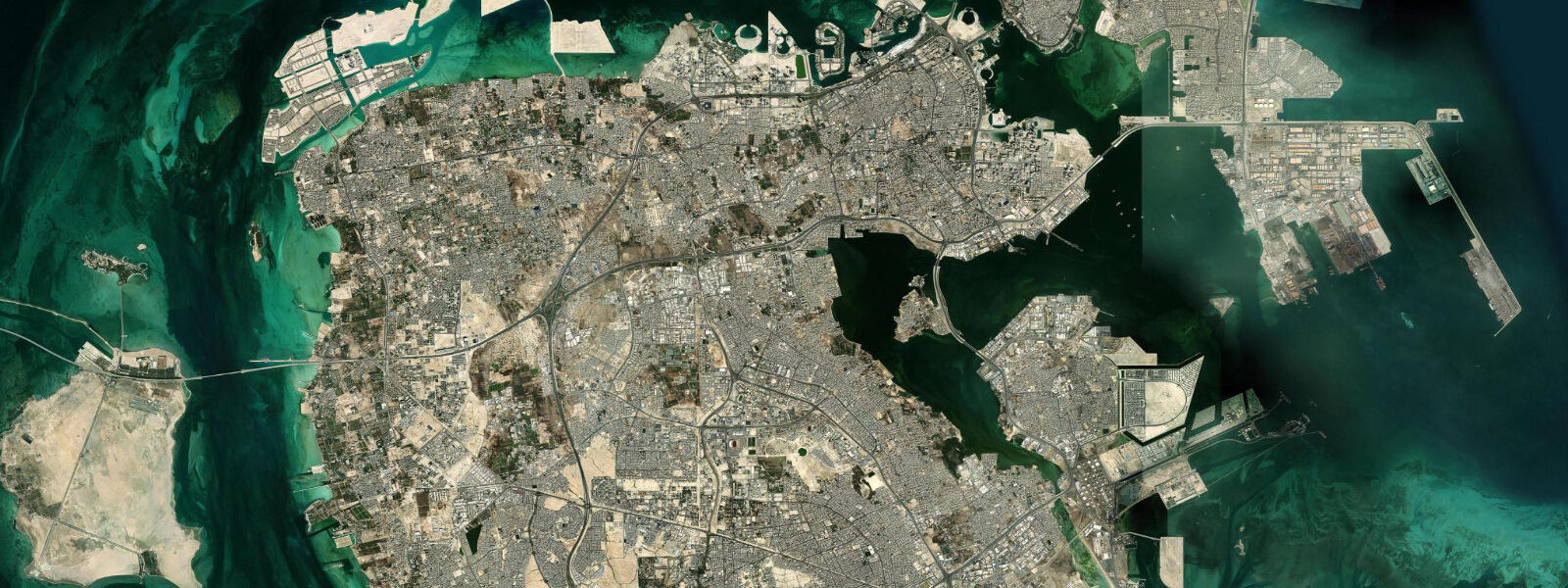
Manama Corniche tide times
Manama Corniche tide forecast — heights relative to MSL.
Today's tide times for Manama Corniche
Tide times at Manama Corniche on Tuesday, 4 August 2026: first high tide at 03:00am, first low tide at 05:03am, second high tide at 10:54am, second low tide at 05:37pm, third high tide at 10:12pm. Sunrise 05:04am, sunset 06:23pm.
Tide chart for Manama Corniche
24-hour cosine-interpolated curve around the present moment. Heights relative to MSL. Predictions: Predictions: Open-Meteo Marine (MeteoFrance SMOC, 0.08° grid).
Sun, moon and conditions on Tue 04 Aug
Snapshot at build time — refreshes daily. Sea state from Open-Meteo Marine.
Highs and lows next 7 days
Every predicted high and low for the next week, with the daily tidal coefficient (0–120; higher = bigger swing, > 95 means stronger currents).
Other spots nearby
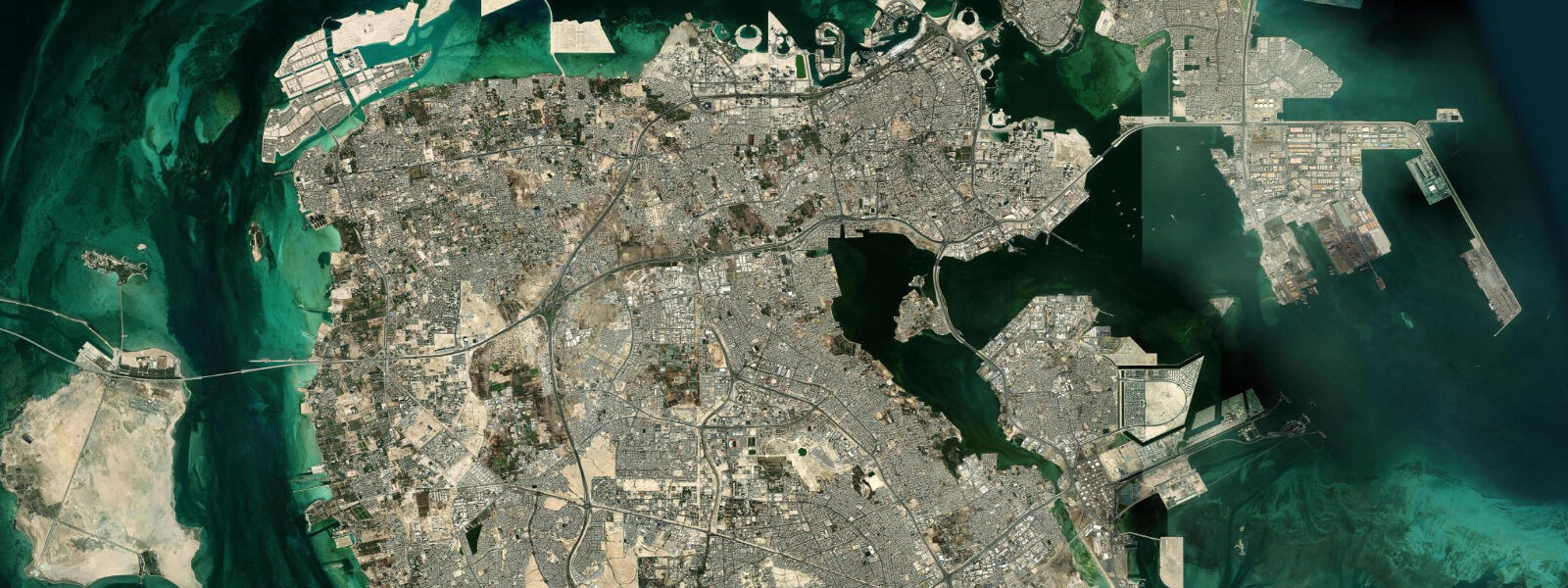
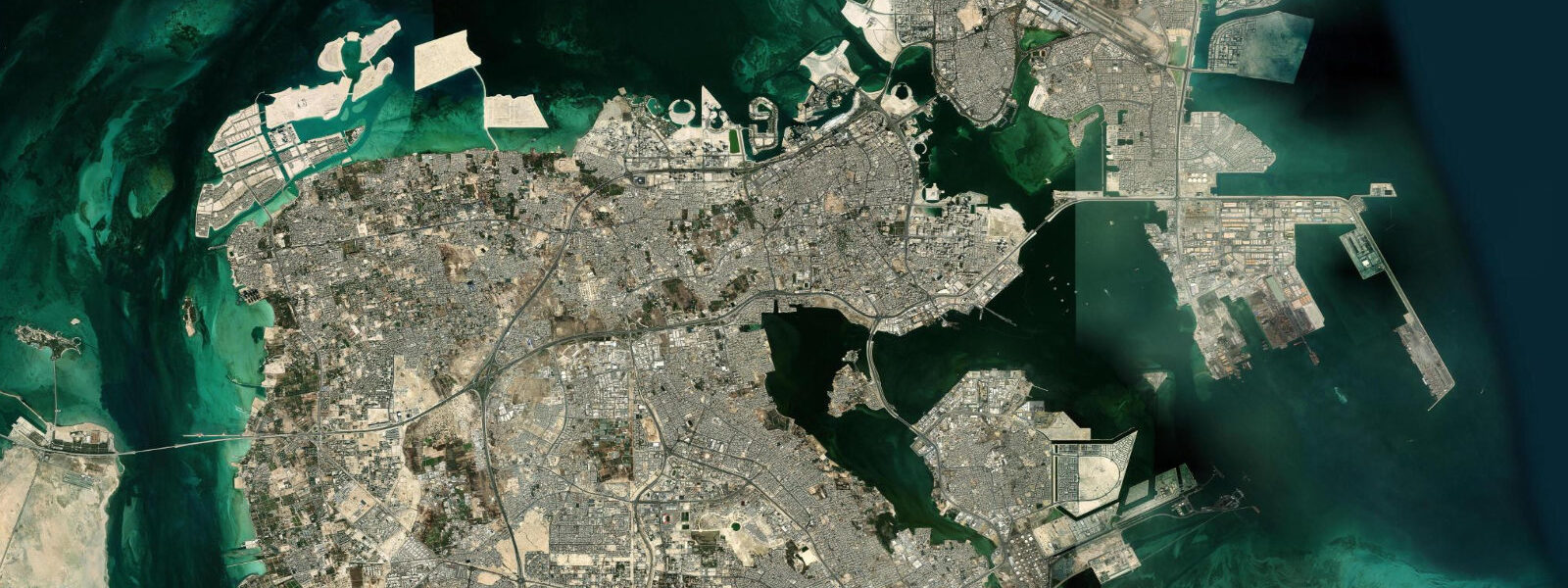
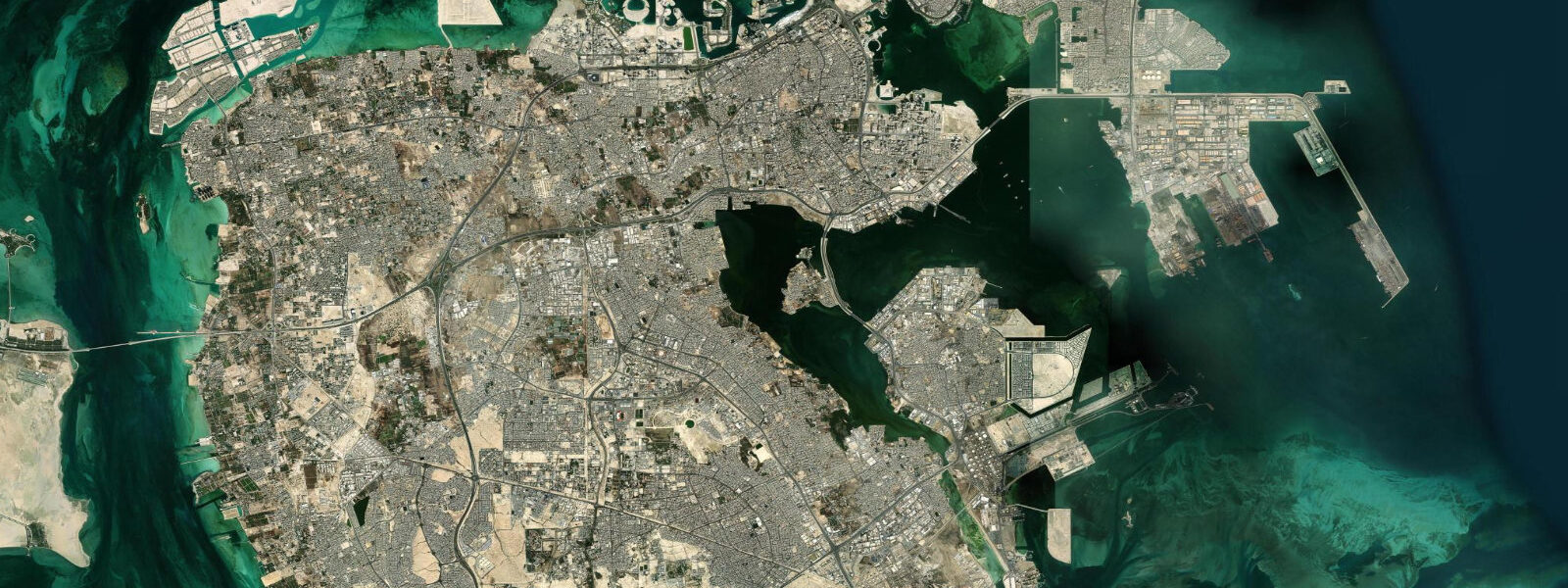
The three closest curated TideTurtle locations to Manama Corniche, measured by great-circle distance.
Today's solunar windows
Solunar tradition: major periods are the ≈3h windows around moon transit and opposition; minor are ≈2h around moonrise and moonset. Pair with the local tide stage and wind for the best read.
Cycle dates near Manama Corniche
Last spring tide on Tue 04 Aug (range 0.6m). Next spring tide on Mon 10 Aug (range 0.6m). Next neap on Fri 07 Aug.
Spring tides cluster around new and full moons (biggest swings). Neap tides land on quarter moons (smallest swings). See the spring tide and neap tide glossary entries for the why.
About tides at Manama Corniche
A short guide to the coastline at Manama Corniche — geography, sea state, and what the tide is actually doing under your feet.
Manama Corniche stretches along the northern edge of Bahrain's capital, a wide waterfront promenade where the Arabian Gulf meets one of the region's most cosmopolitan cities. The water here is shallow and warm year-round — sea temperatures typically sit between 19°C in January and 33°C at the height of summer — which makes it uncomfortable for swimming in July and August but genuinely pleasant from October through May. The tidal character along this stretch is semi-diurnal, meaning two high and two low tides per day, with a typical range of around 1.2 to 1.8 m at springs. Low tide exposes sandy flats and a few rocky outcrops where herons and egrets work the shallows in early morning.
The corniche itself is a 5-kilometre stretch of reclaimed land, the result of decades of Bahraini coastal engineering that has extended the capital's shoreline significantly northward. What you see now — the hotels, the diplomatic quarter, the port approaches — all sit on ground that was open water within living memory. The historic Pearl Monument roundabout, demolished and then rebuilt in modified form, stands nearby as a reminder that these waters once sustained a pearl-diving industry that funded the island kingdom for centuries.
For practical tide use: anglers gather at the northern end of the corniche in the two hours either side of low tide, working the exposed reef edges for hammour (grouper) and seabream. The best fishing window is typically October to April, before the summer heat makes prolonged time in direct sun difficult. Kayakers and stand-up paddleboarders use the calm mornings in winter, when the Shamal northwest wind has not yet built and the surface is glassy. Sunset from the corniche facing west and north catches the Gulf light well in winter; the sky over the Saudi coast can go deep orange on hazy evenings when Gulf dust is in the air.
The wider bay view looks north toward Saudi Arabia — the King Fahd Causeway is visible on clear days as a faint line above the horizon. The water colour shifts dramatically with the tide: high tide brings a deeper blue-green from the open Gulf; low tide exposes the pale turquoise of very shallow sandy bottom. Early risers catch this transition around sunrise in winter, when the light arrives from the east over Muharraq Island and catches the surface at a low angle.
Marine access from the corniche is primarily from the small boat clubs and jetties clustered near the diplomatic area. There is no surf here — the Gulf is entirely enclosed and swell-free. Wind chop in the Shamal season (June-August) can make open-water swimming uncomfortable, but the sheltered inner bays stay calm. Water clarity varies with season: best visibility in winter when the sea is cooler and less biologically productive, dropping in summer when warm water promotes algal growth in the enclosed Gulf basin. Traditional dhow cruises depart from the corniche area and give a different perspective on the city skyline. Pearl-diving heritage tours run from the marina district to the offshore banks where oysters were once harvested in their millions. The combination of urban waterfront, tidal flat wildlife, and maritime history makes the Manama Corniche one of the Gulf's most layered coastal experiences.
The corniche's eastern end near the old souk district connects the waterfront to Manama's commercial heart, and the contrast between the historic merchant city and the reclaimed land promenade is striking. Early morning walkers have the corniche largely to themselves, with the dhows and small boats coming in on the tide and the sun rising over Muharraq Island to the east. The water in this light — pale green over the sandy shallows — is at its most photogenic, and the lack of wind before the sea breeze builds keeps the surface mirror-flat.
Tide questions about Manama Corniche
Quick answers to the most common questions about tide times, range, and water access at Manama Corniche.
What are tides like at Manama Corniche?
Manama Corniche experiences semi-diurnal tides — two highs and two lows per day — typical of the northern Arabian Gulf. Spring tidal range is usually between 1.2 and 1.8 m, and neap tides are noticeably smaller at around 0.4-0.8 m. The timing shifts by roughly 45-50 minutes each day as the lunar cycle progresses. Tide predictions here are model-derived (Open-Meteo gridded) and are typically accurate within ±45 minutes and ±0.3 m. Low tides in the early morning expose sandy flats and rocky edges that attract shore anglers and wading birds. High tide brings the water up to the corniche promenade level, making it easier to kayak or paddle from the small boat jetties along the waterfront.
When is the best time to visit Manama Corniche for coastal activities?
October through April is the comfortable window. Sea temperatures are 19-26°C, air is 18-28°C, and the combination makes for genuinely pleasant beach and water conditions. The period from November to March is ideal for snorkelling around the northern reef edges and for fishing. Summer (June-September) is genuinely brutal — air temperatures regularly exceed 40°C and the water temperature can reach 32-33°C, which is warm enough to feel like a bath. Humidity in August is high. Most people stick to indoor activities in summer or use the water at dawn before the heat builds. The spring and autumn transitions (April-May, September-October) can be excellent for photography and wildlife, with migrating shorebirds working the tidal flats at low water.
Is swimming safe at Manama Corniche?
The corniche area is calm and relatively safe for confident swimmers, but formal swimming beaches are elsewhere on Bahrain Island — the northern corniche is primarily a promenade and viewing area. The water is shallow enough near shore that currents are minimal at most states of tide. In summer, the main risk is heat-related rather than marine: hyperthermia onset is fast when air temperature is 40°C+ and water is 32°C+. The Gulf is free of surf and the corniche is sheltered from open swell. There are no lifeguards stationed along the corniche waterfront. For family swimming with supervision and facilities, the northern beaches near Al Hidd or dedicated beach facilities in Manama proper are the better options.
What marine life can I see around the Manama Corniche?
The shallow reefs and sandy patches visible at low tide host a typical Gulf reef community: hammour (grouper), seabream, mullet, and occasional parrotfish over the rockier sections. The corniche waterfront is also a good spot for birdwatching during winter and spring migration — grey herons, western reef herons, various sandpipers and the occasional osprey work the exposed tidal flats in early morning. Dugong have been recorded in Bahraini waters and occasionally spotted from boats, though a corniche sighting would be rare. The pearl oyster banks that once made this coast famous are further offshore; some licensed boat operators run tours to the historic pearl-diving sites from the marina district east of central Manama.
How do I get out on the water from Manama Corniche?
Several small boat clubs and commercial operators along the northern corniche and the adjacent Manama port area offer dhow trips, fishing charters, and speedboat rentals. Traditional wooden dhow cruises along the coast are popular for sunset outings and give a good perspective on the city's skyline from the water. Kayak and stand-up paddleboard rentals are available at some beach facilities and hotels. For diving and snorkelling excursions to the offshore reefs and pearl banks, the main operators tend to be based at the marina areas east of central Manama. Boat access to Saudi Arabia across the King Fahd Causeway requires customs clearance at both ends and is not a casual day-trip option without pre-arranged permits and coordination.
8-day tide table — Manama Corniche
Heights relative to MSL. Predictions: Open-Meteo Marine (MeteoFrance SMOC, 0.08° grid) — heights relative to MSL (not chart datum / LAT). Model-derived.
| Day | Type | Time | Height |
|---|---|---|---|
| Tue 04 Aug | High | 03:00 | 0.2m |
| Low | 05:03 | 0.0m | |
| High | 10:54 | 0.6m | |
| Low | 17:37 | 0.2m | |
| High | 22:12 | 0.6m | |
| Wed 05 Aug | Low | 05:45 | 0.1m |
| High | 11:00 | 0.6m | |
| Low | 18:20 | 0.2m | |
| High | 23:00 | 0.5m | |
| Thu 06 Aug | Low | 06:38 | 0.1m |
| High | 11:40 | 0.5m | |
| Low | 19:12 | 0.1m | |
| Fri 07 Aug | High | 00:15 | 0.4m |
| Low | 07:06 | 0.2m | |
| High | 12:06 | 0.5m | |
| Low | 20:10 | 0.1m | |
| Sat 08 Aug | High | 12:54 | 0.6m |
| Sun 09 Aug | Low | 22:45 | 0.1m |
| Mon 10 Aug | High | 07:45 | 0.6m |
| Tue 11 Aug | Low | 00:10 | -0.0m |
| High | 02:00 | 0.1m |