Al Hidd Coast tide times
Al Hidd Coast tide forecast — heights relative to MSL.
Today's tide times for Al Hidd Coast
Tide times at Al Hidd Coast on Tuesday, 4 August 2026: first low tide at 03:00am, first high tide at 08:26am. Sunrise 05:03am, sunset 06:22pm.
Tide chart for Al Hidd Coast
24-hour cosine-interpolated curve around the present moment. Heights relative to MSL. Predictions: Predictions: Open-Meteo Marine (MeteoFrance SMOC, 0.08° grid).
Sun, moon and conditions on Tue 04 Aug
Snapshot at build time — refreshes daily. Sea state from Open-Meteo Marine.
Highs and lows next 7 days
Every predicted high and low for the next week, with the daily tidal coefficient (0–120; higher = bigger swing, > 95 means stronger currents).
Other spots nearby
The three closest curated TideTurtle locations to Al Hidd Coast, measured by great-circle distance.
Today's solunar windows
Solunar tradition: major periods are the ≈3h windows around moon transit and opposition; minor are ≈2h around moonrise and moonset. Pair with the local tide stage and wind for the best read.
Cycle dates near Al Hidd Coast
Last spring tide on Tue 04 Aug (range 1.3m). Next neap on Sat 08 Aug.
Spring tides cluster around new and full moons (biggest swings). Neap tides land on quarter moons (smallest swings). See the spring tide and neap tide glossary entries for the why.
About tides at Al Hidd Coast
A short guide to the coastline at Al Hidd Coast — geography, sea state, and what the tide is actually doing under your feet.
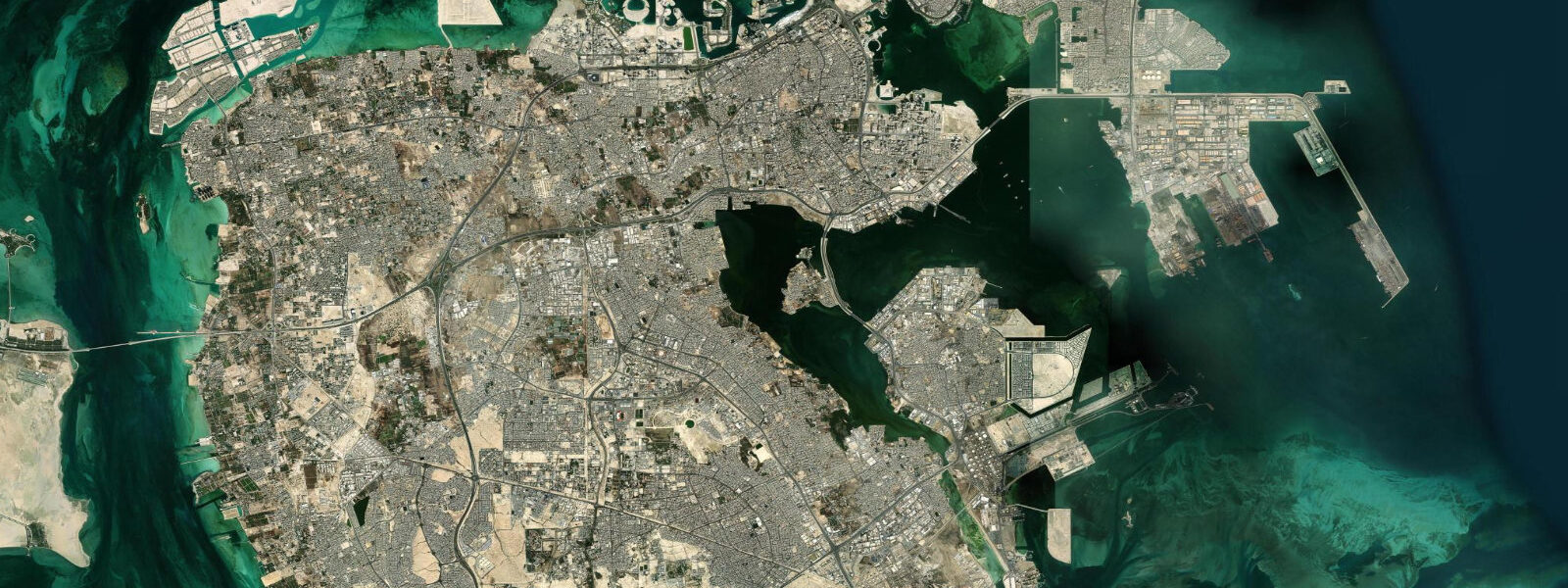
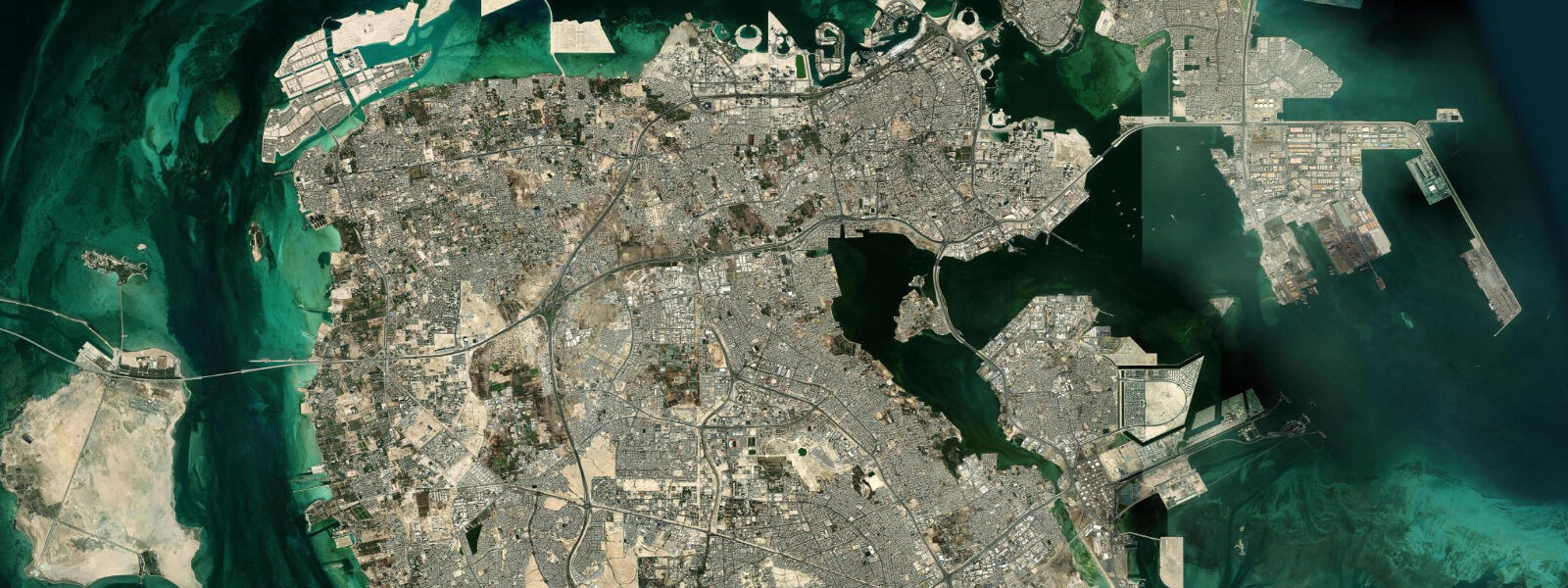
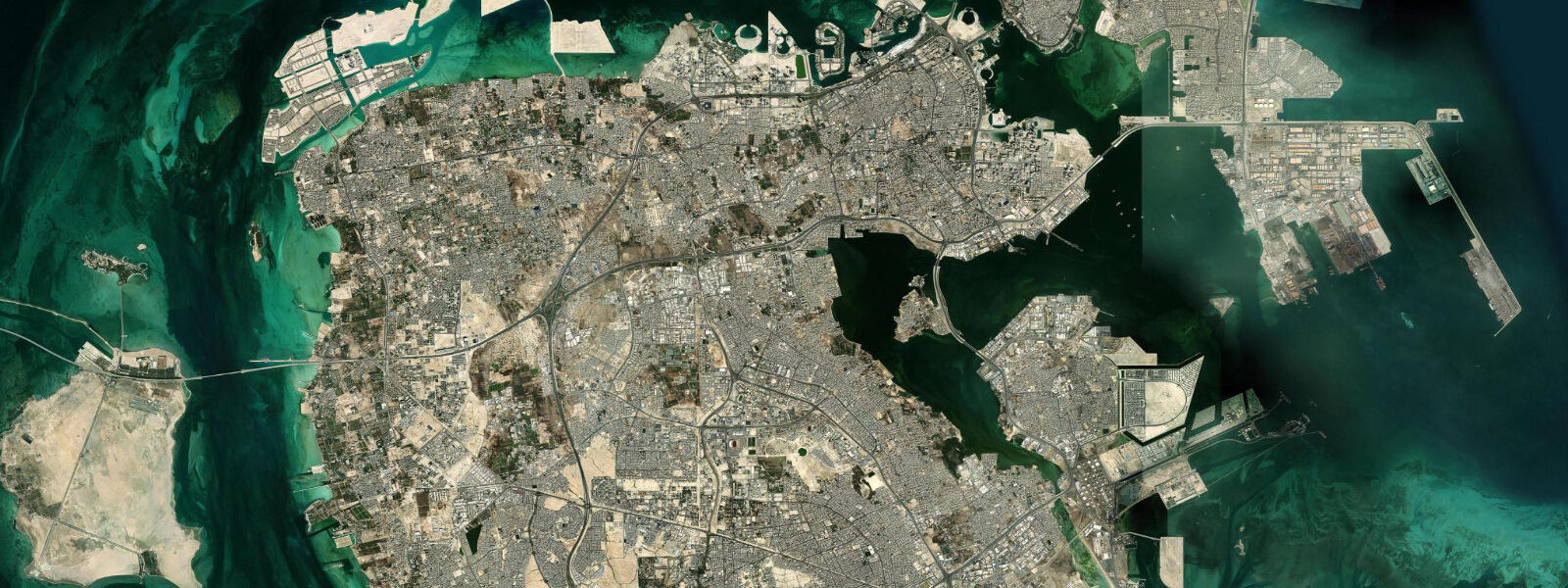
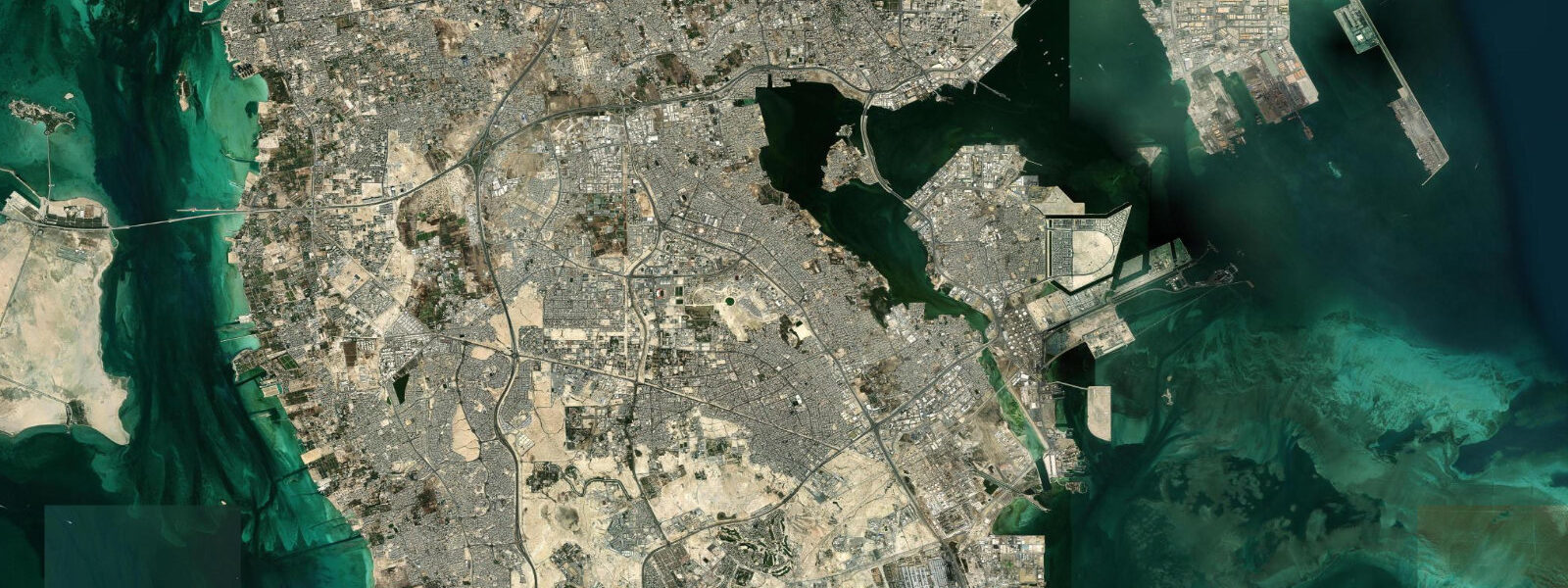
Al Hidd sits on the northeastern tip of Muharraq Island, the second major island of the Bahrain archipelago and home to Bahrain International Airport. The coast here looks across a narrow channel toward the Saudi coast and the broader Gulf beyond. It is a working waterfront rather than a resort area — fish processing, small boat moorings, and industrial port infrastructure dominate the shoreline — but the tidal character is distinct and the access to open water is good for those looking beyond the curated beaches.
The tides at Al Hidd behave semi-diurnally, as throughout northern Bahrain, but the channel geometry gives a slightly accelerated tidal flow compared to the sheltered western corniche. At spring tides, the range can approach 1.8 to 2.0 m, and the current through the channel between Muharraq and the smaller adjacent islands is noticeable at mid-tide. Local fishermen time their departures around the tide: outgoing tide to reach the offshore banks efficiently, incoming tide to return with the current behind them. This pattern is centuries old and still governs the harbour's daily rhythm.
The northern point of Muharraq Island is one of the closest accessible spots on Bahrain to the open Gulf waters north of the archipelago. The water is shallow — rarely deeper than 10 m within several kilometres offshore — which means it heats quickly in summer and cools relatively fast in winter. Sea temperature range across the year is substantial: from around 18°C in January to 33°C in August. The spring window (March-April) is when water clarity is typically best, before the summer phytoplankton blooms reduce visibility.
For snorkellers and divers, the rocky patches and coral outcrops along the northeastern tip of Muharraq are among the more accessible reef areas on this side of Bahrain. The coral is not pristine — Gulf water is warm and somewhat turbid, and coastal development has affected inshore reefs over recent decades — but hammour (grouper), seabream, and various bream are present year-round. The bottom fauna is richer than the resort beaches to the west. Visibility on a good day in winter can reach 8-12 m over the better reef patches, and the marine life is most active in the cooler months when fish feeding intensity increases.
Historically, the Al Hidd area was part of the pearl-diving circuit that sustained Bahraini commerce for centuries. The pearl banks ran from here north and westward across the Gulf shallows toward Kuwait. Traditional pearl diving ended commercially after the Japanese cultured pearl destroyed the market in the 1930s, but the knowledge of the grounds survived in fishing community memory across generations. Some of the older wooden dhows still moored at Al Hidd harbour were built to a design evolved over generations for exactly this coastline — broad-beamed, low-sided vessels suited to the shallow, calm Gulf rather than open ocean. Watching them come and go on the tide gives a sense of continuity with the historic coast that the newer marina developments in Manama cannot replicate.
The fish market at Al Hidd opens with the tide, when the night boats return in the pre-dawn darkness and the catch is sorted dockside. Walking through the harbour area at this hour gives a different picture of Bahrain from anything available in the resort zones further west — the practical, physical work of a coastal economy that predates oil. The mangrove patches fringing the channel north of the harbour provide additional birdwatching access; grey herons and western reef herons are reliably present regardless of season. The boats in the harbour range from traditional wooden dhows to modern fibreglass vessels, but the working pattern — tied to the tide, tied to the season — is unchanged.
Tide questions about Al Hidd Coast
Quick answers to the most common questions about tide times, range, and water access at Al Hidd Coast.
What are tides like at Al Hidd?
Al Hidd experiences semi-diurnal tides with a spring range of approximately 1.8-2.0 m — slightly more energetic than the sheltered western corniche due to the channel geometry east of Muharraq Island. Neap tides drop the range to around 0.5-0.9 m. The tidal current through the channel between Muharraq and the offshore shoals is most noticeable at mid-tide on springs and can reach 1-2 knots in places. These are Open-Meteo gridded estimates (±45 min / ±0.3 m accuracy). Local fishermen use the tidal flow to time departures and returns from the offshore banks, and the same logic applies to kayak or small-boat outings — going against a spring ebb in a channel takes real effort and burns fuel or energy unnecessarily.
When is the best time to visit Al Hidd for snorkelling?
November through April gives the best combination of comfortable air temperature and reasonable water clarity. Sea temperatures of 20-25°C are manageable in a 3 mm wetsuit and visibility can reach 8-12 m on calm days when wind and tidal stirring are minimal. The key is to go on a neap tide during light Shamal winds — spring tides and strong northwest wind both kick up sediment and reduce visibility significantly. Summer (June-September) is technically possible but the heat is extreme, visibility drops as the warm water promotes biological productivity, and jellyfish are more common in the water column. March and April are the sweet spot: water is warming up, marine life is active, and the summer heat has not yet become oppressive.
Is Al Hidd a good fishing spot?
Al Hidd is a legitimate fishing location, though it caters primarily to local anglers and boat owners rather than visiting sport fishermen. Shore fishing from the rocky northeastern points targets hammour (grouper), seabream, and mullet. Boat fishing from the small harbour extends the range to the offshore banks where larger hammour, kingfish (king mackerel), and occasional cobia are caught. The best period is October-April. Summer fish are edible but the heat makes extended time aboard a small boat genuinely difficult and potentially dangerous. No formal fishing charter industry is based here in the way found at dedicated marina facilities; local boat owners occasionally take out small groups informally through word-of-mouth connections at the harbour.
How does Al Hidd compare to Manama Corniche for a coastal visit?
Al Hidd is rougher around the edges and more authentic. Manama Corniche is manicured — wide promenade, hotel-backed, designed for leisure strolling. Al Hidd is a working fishing community: boats, nets, the smell of the sea and fish processing, older buildings, and a fraction of the tourist infrastructure. If you want a curated coastal experience, the corniche wins. If you want to see how Bahraini fishing families actually use the coast — and have access to quieter water with reef patches within swimming distance of shore — Al Hidd is more interesting and more revealing about the island's maritime character. The drive from Manama is under 20 minutes via the causeway connecting the two islands.
Are there any safety considerations at Al Hidd?
The main concerns at Al Hidd are tidal current and boat traffic rather than surf or swell. The channel east of Muharraq can run at 1-2 knots during spring tides; swimmers should stay close to shore and be aware of the current direction at all times. Small fishing boats operate in and out of the harbour throughout the day and at night, so kayakers and open-water swimmers should stay clear of the main channel approaches. In summer, heat stress is the dominant hazard — even short water activities in August should be limited to early morning. There are no lifeguards on duty anywhere along this stretch. Jellyfish (primarily moon jellyfish) appear occasionally in late spring and summer; a mild sting is common, serious reactions are rare.
7-day tide table — Al Hidd Coast
Heights relative to MSL. Predictions: Open-Meteo Marine (MeteoFrance SMOC, 0.08° grid) — heights relative to MSL (not chart datum / LAT). Model-derived.
| Day | Type | Time | Height |
|---|---|---|---|
| Tue 04 Aug | Low | 03:00 | -0.3m |
| High | 08:26 | 1.0m | |
| Wed 05 Aug | Low | 03:00 | -0.3m |
| High | 09:07 | 1.0m | |
| Low | 15:25 | -0.2m | |
| High | 21:26 | 0.9m | |
| Thu 06 Aug | Low | 03:42 | -0.3m |
| High | 09:56 | 0.9m | |
| Low | 16:14 | -0.3m | |
| High | 22:22 | 0.7m | |
| Fri 07 Aug | Low | 04:35 | -0.1m |
| High | 10:46 | 0.9m | |
| Low | 17:20 | -0.2m | |
| Sat 08 Aug | High | 11:48 | 0.9m |
| Low | 18:45 | -0.2m | |
| Sun 09 Aug | High | 01:04 | 0.7m |
| Low | 06:52 | 0.1m | |
| High | 12:57 | 0.9m | |
| Low | 20:16 | -0.2m | |
| Mon 10 Aug | High | 14:13 | 0.9m |