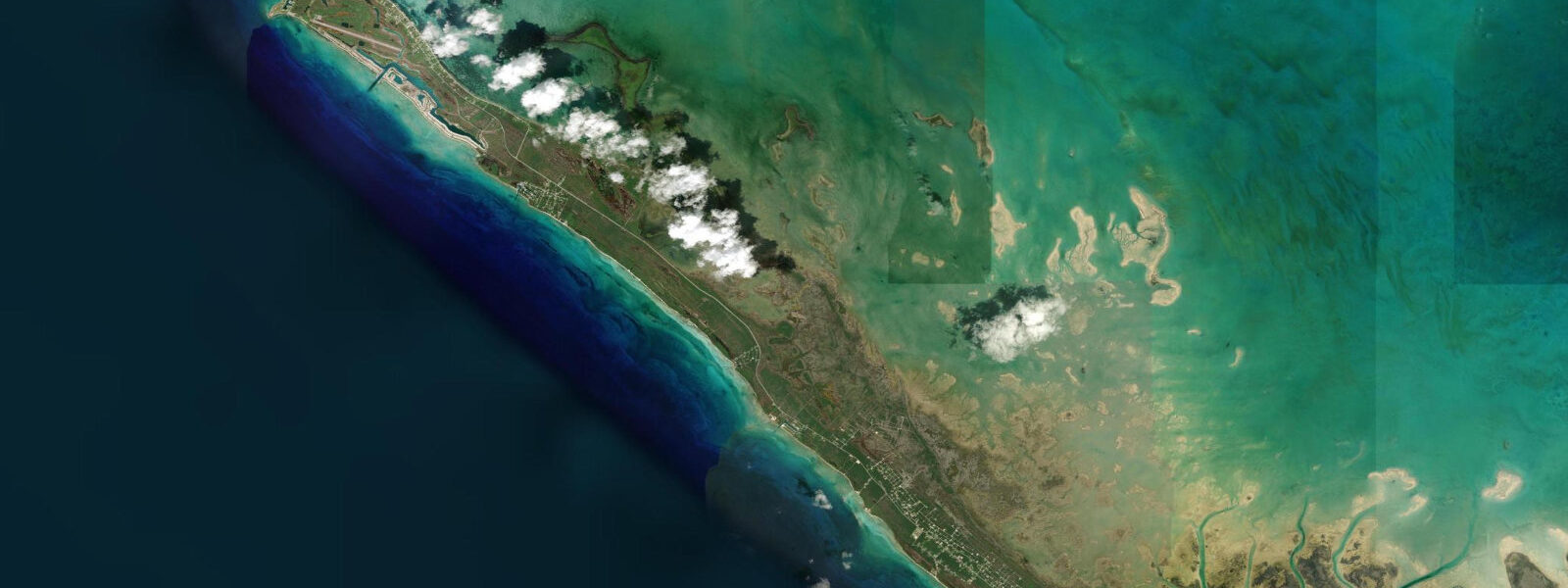
West End, Grand Bahama tide times
West End, Grand Bahama tide forecast — heights relative to MSL.
Today's tide times for West End, Grand Bahama
Tide times at West End, Grand Bahama on Monday, 3 August 2026: first low tide at 05:05am, first high tide at 11:24am. Sunrise 06:41am, sunset 08:02pm.
Tide chart for West End, Grand Bahama
24-hour cosine-interpolated curve around the present moment. Heights relative to MSL. Predictions: Predictions: Open-Meteo Marine (MeteoFrance SMOC, 0.08° grid).
Sun, moon and conditions on Mon 03 Aug
Snapshot at build time — refreshes daily. Sea state from Open-Meteo Marine.
Highs and lows next 7 days
Every predicted high and low for the next week, with the daily tidal coefficient (0–120; higher = bigger swing, > 95 means stronger currents).
Other spots nearby
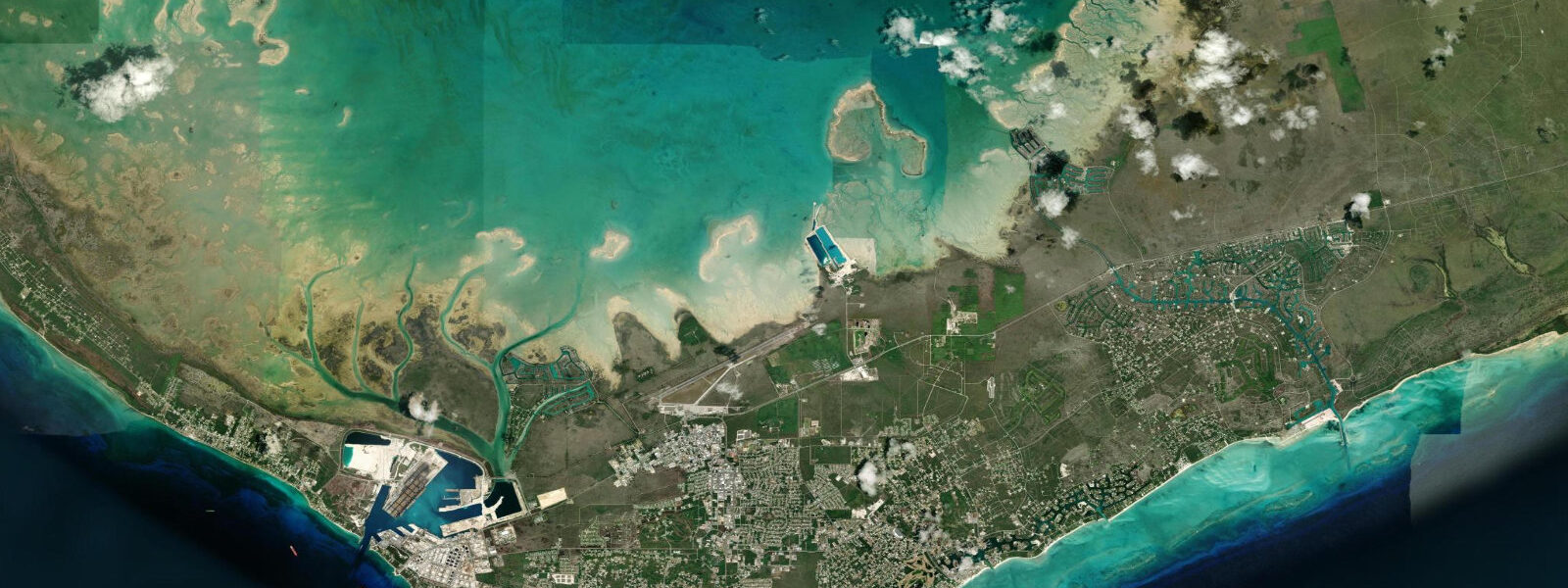
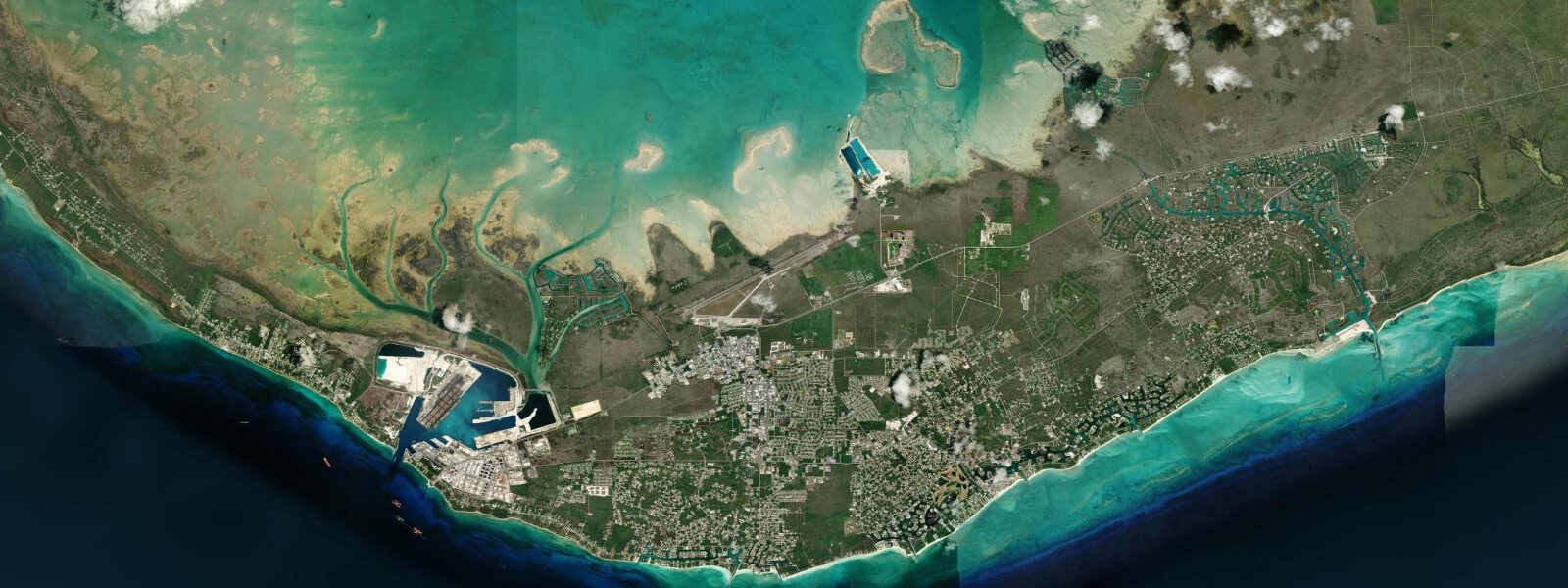
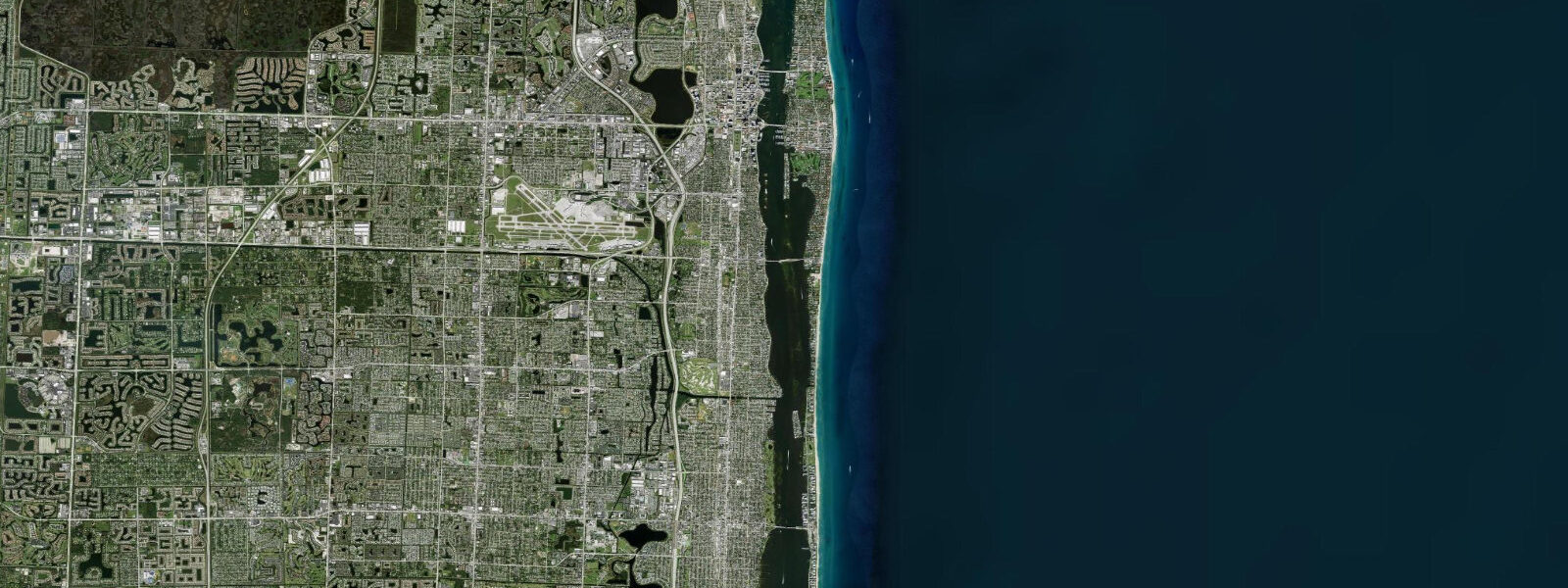
The three closest curated TideTurtle locations to West End, Grand Bahama, measured by great-circle distance.
Today's solunar windows
Solunar tradition: major periods are the ≈3h windows around moon transit and opposition; minor are ≈2h around moonrise and moonset. Pair with the local tide stage and wind for the best read.
Cycle dates near West End, Grand Bahama
Next spring tide on Sat 08 Aug (range 1.0m). Next neap on Thu 06 Aug.
Spring tides cluster around new and full moons (biggest swings). Neap tides land on quarter moons (smallest swings). See the spring tide and neap tide glossary entries for the why.
About tides at West End, Grand Bahama
A short guide to the coastline at West End, Grand Bahama — geography, sea state, and what the tide is actually doing under your feet.
West End sits at the western tip of Grand Bahama Island, the oldest settlement on the island and, on a clear day, the closest point in the Bahamas to the Florida coast — 80 km northwest across open water. The Northwest Providence Channel runs south of West End, a deep-water passage connecting the Atlantic to the Bahamas Bank. Where the channel narrows at the island's tip, tidal flow concentrates. Mean spring range here is 0.8–1.2 m, with the channel current running 1–2 knots on spring exchanges. That current is the defining feature of West End for anyone fishing, diving, or paddling.
The bonefishing flats north of West End are among the most productive in the Bahamas. Bonefish follow the flood tide onto the shallow sandy-grass flats to feed, pushing into knee-deep water to chase crabs, shrimp, and small invertebrates. As the ebb begins, they retreat to the channel edges and deeper grass. The productive fishing window is the first two hours of the flood — the moment the water clears the flat and the fish move in. Spring tides produce the highest flood, pushing bonefish furthest onto the flat and giving anglers the longest window before depth drops off. Neap tides flood less of the flat and the fish stay lower, requiring longer casts from the channel edge.
Guides based at West End pole their skiffs across the flats before first light to position clients. The cast is typically 18–25 m to a moving fish spotted in the clear water. Wind direction and tide phase both affect visibility — a crosswind at 10 knots muddies the water surface; a light offshore breeze keeps it glassy. Morning flood tides with calm wind are the ideal combination, and experienced guides will reschedule if the conditions don't align.
West End has a history that reads differently than the resort-dominated east of the island. During US Prohibition (1920–1933), West End was a rum-running hub: boats loaded with Bahamian and European spirits departed West End for the Florida coast, running under cover of darkness. The trade made West End briefly prosperous before Prohibition's repeal ended it. The Old Bahama Bay resort and marina now sits on the historic waterfront, its docks occupying roughly the same position where rum-running vessels once loaded. The resort has boat slips, a fuel dock, and a restaurant — practical infrastructure for anglers and boaters arriving from Florida or transiting the Bahamas.
The Northwest Providence Channel itself is the defining geography. The channel drops to 900 m depth within a few kilometres of West End's shore — oceanic water immediately accessible from a shallow island edge. This creates a pelagic fishing opportunity uncommon this close to shore: wahoo, mahi-mahi, and blue marlin run the channel edges, particularly on the colour change where the deep blue Atlantic water meets the green-tinted bank water. The current runs strongest at mid-flood and mid-ebb; trolling across the current rather than with it keeps lures in the strike zone longer.
Sandy Cay, an uninhabited cay accessible by boat, sits in clear water southwest of West End with a surrounding reef and tidal channels between the reef structures. The channels run 1.5–2.0 knots on spring tides — productive for snorkellers and divers who drift the current rather than swim against it. The bottom is coral rubble and patch reef; fish density is high because the cay is uninhabited and the reef receives less pressure than sites near Freeport. Boat access from Old Bahama Bay's marina takes about 15 minutes in calm conditions.
For beach-goers, the West End shoreline is low-key by Grand Bahama standards — no resort infrastructure, no beach bars, no water sport rentals. The shore north of the settlement has a mix of sand and limestone rock with the tide exposing additional rock platform at low water. The platform is interesting for naturalists — sea urchins, small crabs, and fish trapped in pools — but not a swimming beach in the conventional sense.
Photographers working the tidal flat during early morning flood find the light conditions difficult to replicate elsewhere: the water on the flat is rarely more than 60 cm deep, the bottom is white sand, and the Florida Keys are not visible but the sky to the northwest looks open in a way that suggests distance. Bonefish pushing wakes across the shallow surface in low-angle light is the standard shot; it requires patience and advance positioning before sunrise.
Tide data for West End, Grand Bahama comes from the Open-Meteo Marine API, a gridded model product. Timing accuracy is ±45 minutes, height accuracy ±0.3 m — usable for trip planning, not for navigation.
Tide questions about West End, Grand Bahama
Quick answers to the most common questions about tide times, range, and water access at West End, Grand Bahama.
How does the tidal flood affect bonefishing at West End?
Bonefish move onto the shallow grass flats north of West End with the incoming flood tide, feeding on crabs and shrimp in water as shallow as 30 cm. The first two hours of the flood produce the highest fish density on the flat — the water is actively moving, the fish are feeding hard, and the depth allows sight-fishing. Spring tides flood more of the flat than neap tides, extending the productive zone further onto the grass. By mid-flood the fish spread out and become harder to target systematically. On the ebb they retreat to channel edges. Guides plan the day around the flood window; most depart the marina two hours before the tide turns.
What is the tidal current speed in the Northwest Providence Channel at West End?
The Northwest Providence Channel current at the West End tip runs 1–2 knots on spring tidal exchanges — measurable and relevant for boat handling and fishing. The current peaks at mid-flood and mid-ebb, roughly three hours after the tide turns at the surface. At neap tides the flow drops to 0.5–0.8 knots. Anglers trolling the channel edges time their drift to coincide with mid-ebb or mid-flood for maximum current-assisted presentation. Kayakers and paddlers should avoid the main channel on spring tides unless they plan to run with the current and have a pickup arranged at the downstream point.
Can I reach Sandy Cay from West End without a guide?
Sandy Cay is accessible by boat — roughly 15 minutes from Old Bahama Bay marina in calm conditions. The passage is open water and shoal-free on the direct route, but the reef surrounding the cay has shallow sections that require local knowledge to approach safely, particularly at low tide when the reef heads are within 0.5 m of the surface. Renting a boat independently and navigating to Sandy Cay is feasible for experienced boaters with a chart plotter; first-timers are better served joining a guided trip out of Old Bahama Bay. Tidal current in the channels between reef structures runs 1.5–2.0 knots on spring tides — drift snorkelling is the standard approach.
What is the best time of day to fish the Northwest Providence Channel for pelagic species?
Pelagic fishing in the Northwest Providence Channel — wahoo, mahi-mahi, blue marlin — peaks on the colour change between deep Atlantic blue and the green bank water. This line shifts with current; it is most defined at mid-flood and mid-ebb when the tidal exchange is moving fastest. First light to 10:00 is the conventional morning window for wahoo in particular. The channel runs roughly east-west; the morning sun is behind an eastbound troll and in your face heading west — most captains troll west in the early morning and turn east by 09:00. Afternoon sessions target mahi-mahi around floating weed lines that the current accumulates along the channel edge.
Is the Old Bahama Bay marina accessible at all tide levels?
Old Bahama Bay marina is a protected basin with a dredged entrance channel. The entrance depth is approximately 2.0–2.5 m at mean low water — accessible to most sport fishing boats and shallow-draft vessels at all tide stages. Larger vessels with drafts above 1.8 m should enter on the flood to add the tidal increment (0.8–1.2 m at springs). The marina monitors on VHF Channel 16; contacting them before entry for current depth information is standard practice. Fuel dock and boat slips are available; advance reservation is recommended during peak bonefishing season (November through April).
7-day tide table — West End, Grand Bahama
Heights relative to MSL. Predictions: Open-Meteo Marine (MeteoFrance SMOC, 0.08° grid) — heights relative to MSL (not chart datum / LAT). Model-derived.
| Day | Type | Time | Height |
|---|---|---|---|
| Mon 03 Aug | Low | 05:05 | -0.1m |
| High | 11:24 | 0.8m | |
| Tue 04 Aug | Low | 05:53 | -0.1m |
| High | 12:18 | 0.8m | |
| Wed 05 Aug | Low | 06:40 | -0.1m |
| High | 13:08 | 0.8m | |
| Thu 06 Aug | Low | 07:35 | -0.1m |
| High | 14:08 | 0.8m | |
| Low | 20:24 | 0.0m | |
| Fri 07 Aug | High | 15:13 | 0.8m |
| Sat 08 Aug | Low | 09:35 | -0.1m |
| High | 16:20 | 0.8m | |
| Sun 09 Aug | Low | 10:40 | -0.1m |
| High | 17:20 | 0.9m | |
| Low | 19:00 | 0.7m |