Fremantle, Western Australia tide times
Fremantle, Western Australia tide forecast — heights relative to MSL.
Today's tide times for Fremantle, Western Australia
Tide times at Fremantle, Western Australia on Sunday, 26 July 2026: first high tide at 10:00, first low tide at 18:50. Sunrise 09:10, sunset 19:36.
Tide chart for Fremantle, Western Australia
24-hour cosine-interpolated curve around the present moment. Heights relative to MSL. Predictions: Predictions: Open-Meteo Marine (MeteoFrance SMOC, 0.08° grid).
Sun, moon and conditions on Sun 26 Jul
Snapshot at build time — refreshes daily. Sea state from Open-Meteo Marine.
Highs and lows next 7 days
Every predicted high and low for the next week, with the daily tidal coefficient (0–120; higher = bigger swing, > 95 means stronger currents).
Other spots nearby
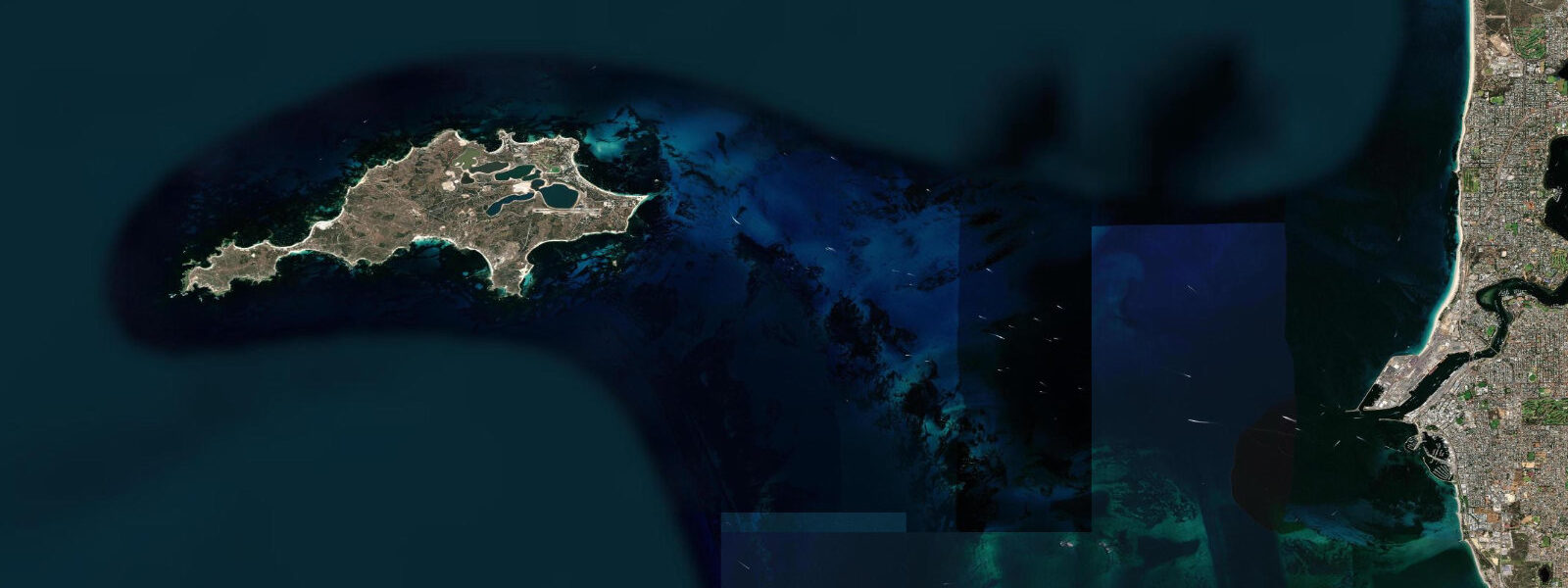
The three closest curated TideTurtle locations to Fremantle, Western Australia, measured by great-circle distance.
Today's solunar windows
Solunar tradition: major periods are the ≈3h windows around moon transit and opposition; minor are ≈2h around moonrise and moonset. Pair with the local tide stage and wind for the best read.
About tides at Fremantle, Western Australia
A short guide to the coastline at Fremantle, Western Australia — geography, sea state, and what the tide is actually doing under your feet.
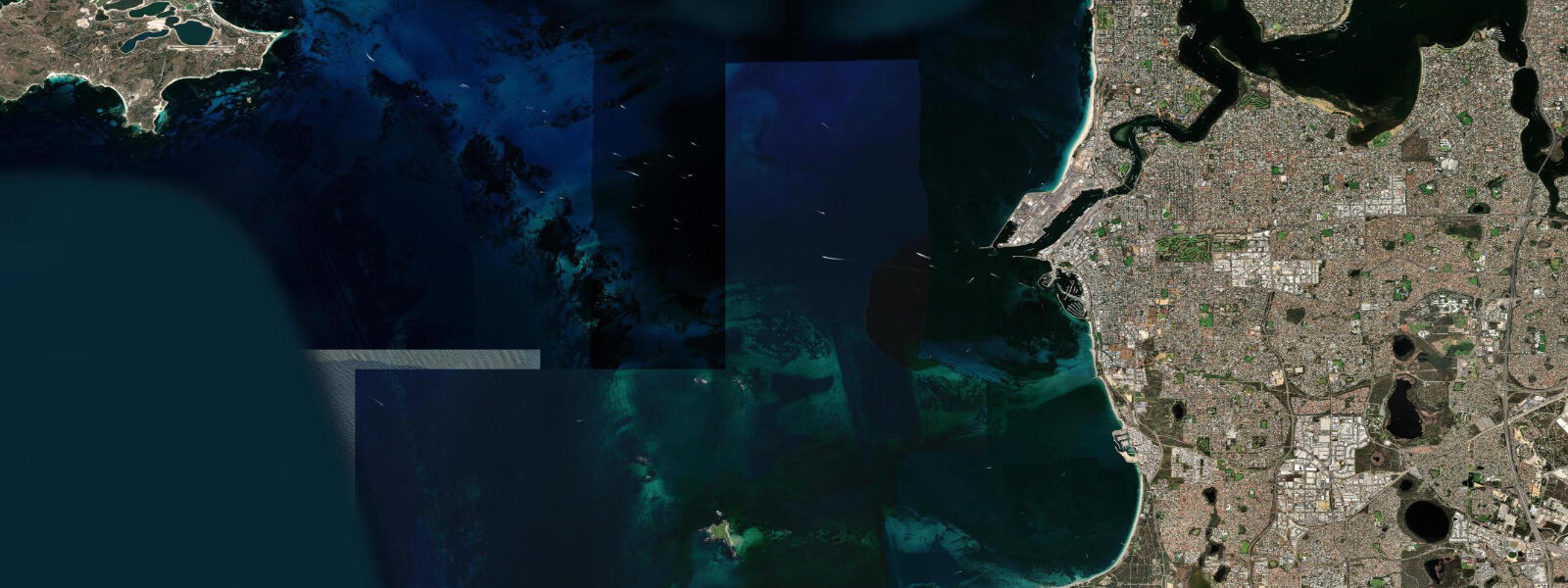
Fremantle sits at the mouth of the Swan River where it meets the Indian Ocean, the working port for Perth twenty kilometres upstream and the historical immigrant landing for Western Australia since the colony was founded in 1829. The Inner Harbour wraps the Swan River mouth between North Mole and South Mole, with Fishing Boat Harbour just to the south and Bathers Beach immediately west of the heritage town centre. 2.
The pattern is mixed semidiurnal but heavily diurnal-leaning at most lunar phases — many days produce a single clear high and a single clear low rather than two of each. The astronomical signal is small because the south-west Australian coast sits far from the major tidal nodes of the Indian Ocean and the local shelf and seabed geometry reflect rather than amplify the propagating wave. What matters more on a day-to-day basis is meteorological tide.
The Fremantle Doctor — the steady south-west sea breeze that builds through the afternoon from November through April — pushes water against the coast and lifts apparent water level at the harbour by 20 to 40 centimetres on sustained event days, with the strongest events around midsummer reaching 50 centimetres or more. Tropical-low rainfall events from the north can drive the Swan River discharge through the harbour and force surface levels well above any astronomical reading. The defining seasonal events are the Rottnest Channel Swim and the Cottesloe surf.
7 kilometres of open Indian Ocean to Rottnest Island has run every February since 1991 and draws thousands of solo and team swimmers — the day's tide window matters less than the wind and the swell. Cottesloe Beach immediately north of Fremantle hosts the Sculpture by the Sea exhibition every March and runs the local surf scene at Cottesloe Reef, North Cottesloe, and Mosman Park. The 1987 America's Cup defended at Fremantle on the Indian Ocean course off Rottnest is the only America's Cup ever sailed in southern hemisphere waters and the moment that turned the Western Australian sailing industry into a global force.
Fishing Boat Harbour fish-and-chip culture, the Maritime Museum at Victoria Quay, the Fremantle Markets in the heritage town centre, the Cappuccino Strip espresso scene, and the working container terminal at North Quay all read different parts of the calendar. The Australian Bureau of Meteorology and the Department of Transport WA publish the authoritative tide tables; Open-Meteo Marine drives the gridded predictions on this page.
Tide questions about Fremantle, Western Australia
Quick answers to the most common questions about tide times, range, and water access at Fremantle, Western Australia.
When is the next high tide at Fremantle?
The hero block shows the next high tide at the Fremantle harbour gauge in local Western Australian time (AWST, UTC+8, no DST). The 7-day table covers all daily highs and lows. The diurnal-leaning pattern means many days produce a single clear high and a single clear low rather than two of each, and the Fremantle Doctor sea-breeze can shift apparent water level more than the astronomical signal at most lunar phases.
What's the typical tide range at Fremantle?
Mean range at the Fremantle harbour gauge is about 0.6 metres — one of the smallest open-ocean tide signals on Earth. Spring tides push close to 1.0 metres and neaps drop near 0.2. The pattern is mixed semidiurnal but heavily diurnal-leaning at most lunar phases. The Fremantle Doctor sea-breeze in summer matters more than the lunar phase for working day-to-day water-level variation.
Where do these tide predictions come from?
Open-Meteo Marine, a gridded global ocean model. Useful for planning Cottesloe and Bathers Beach swimming windows, Rottnest ferry crossings, Fishing Boat Harbour photography sessions, and the Swan River mouth crossings. For authoritative Western Australian tide data, the Australian Bureau of Meteorology and the Department of Transport WA publish the official tide tables and operate the Fremantle reference gauge.
What's the Cottesloe and Rottnest swim culture?
The Rottnest Channel Swim from Cottesloe Beach across 19.7 kilometres of open Indian Ocean to Rottnest Island has run every February since 1991 and draws thousands of solo and team swimmers — the largest open-water swim event in the southern hemisphere. The day's tide window matters less than the wind direction and the swell forecast. Cottesloe Beach hosts the Sculpture by the Sea exhibition every March and runs the local surf scene at Cottesloe Reef, North Cottesloe, and Mosman Park. Indian Ocean swell from the Roaring Forties south of Australia drives the bigger surf days; the Fremantle Doctor cleans up the same coast in summer afternoons.
Is this safe to use for navigation?
No. For piloting in or out of the Fremantle harbour, transiting the Rottnest Channel, or any Indian Ocean approach use the Australian Bureau of Meteorology authoritative tide tables, the Fremantle Ports pilotage guidance, and the Bureau of Meteorology tropical-cyclone warnings during the November-to-April season. The astronomical signal is small enough that meteorological forcing dominates day-to-day water-level variation.
8-day tide table — Fremantle, Western Australia
Heights relative to MSL. Predictions: Open-Meteo Marine (MeteoFrance SMOC, 0.08° grid) — heights relative to MSL (not chart datum / LAT). Model-derived.
| Day | Type | Time | Height |
|---|---|---|---|
| Sun 26 Jul | High | 10:00 | 0.6m |
| Low | 18:50 | -0.0m | |
| Mon 27 Jul | High | 09:10 | 0.5m |
| Low | 19:10 | -0.1m | |
| Tue 28 Jul | — | ||
| Wed 29 Jul | High | 10:54 | 0.6m |
| Low | 20:00 | 0.0m | |
| Thu 30 Jul | — | ||
| Fri 31 Jul | High | 11:54 | 0.6m |
| Sat 01 Aug | Low | 19:50 | 0.1m |
| Sun 02 Aug | High | 02:00 | 0.2m |
| Low | 05:00 | 0.2m | |
| High | 09:00 | 0.3m | |