Torquay tide times
Torquay tide forecast — heights relative to MSL.
Today's tide times for Torquay
Tide times at Torquay on Monday, 3 August 2026: first low tide at 10:00, first high tide at 14:16, second low tide at 20:17. Sunrise 07:22, sunset 17:35.
Tide chart for Torquay
24-hour cosine-interpolated curve around the present moment. Heights relative to MSL. Predictions: Predictions: Open-Meteo Marine (MeteoFrance SMOC, 0.08° grid).
Sun, moon and conditions on Mon 03 Aug
Snapshot at build time — refreshes daily. Sea state from Open-Meteo Marine.
Highs and lows next 7 days
Every predicted high and low for the next week, with the daily tidal coefficient (0–120; higher = bigger swing, > 95 means stronger currents).
Other spots nearby
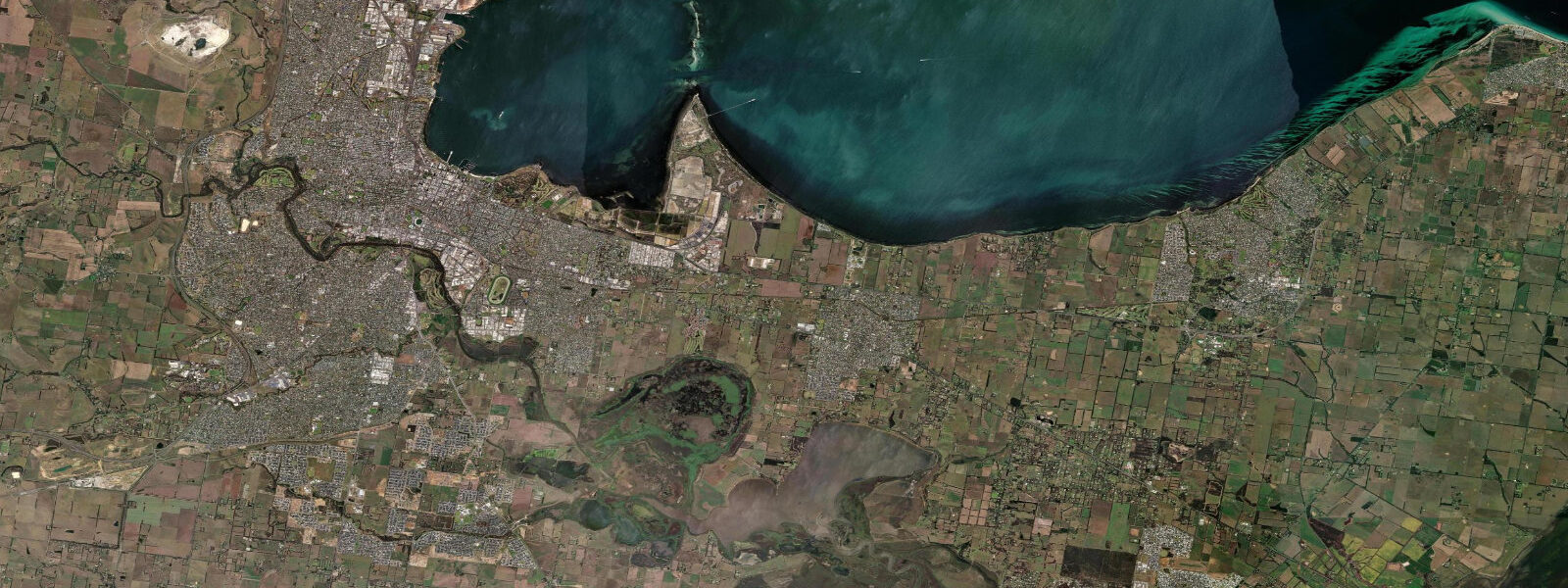
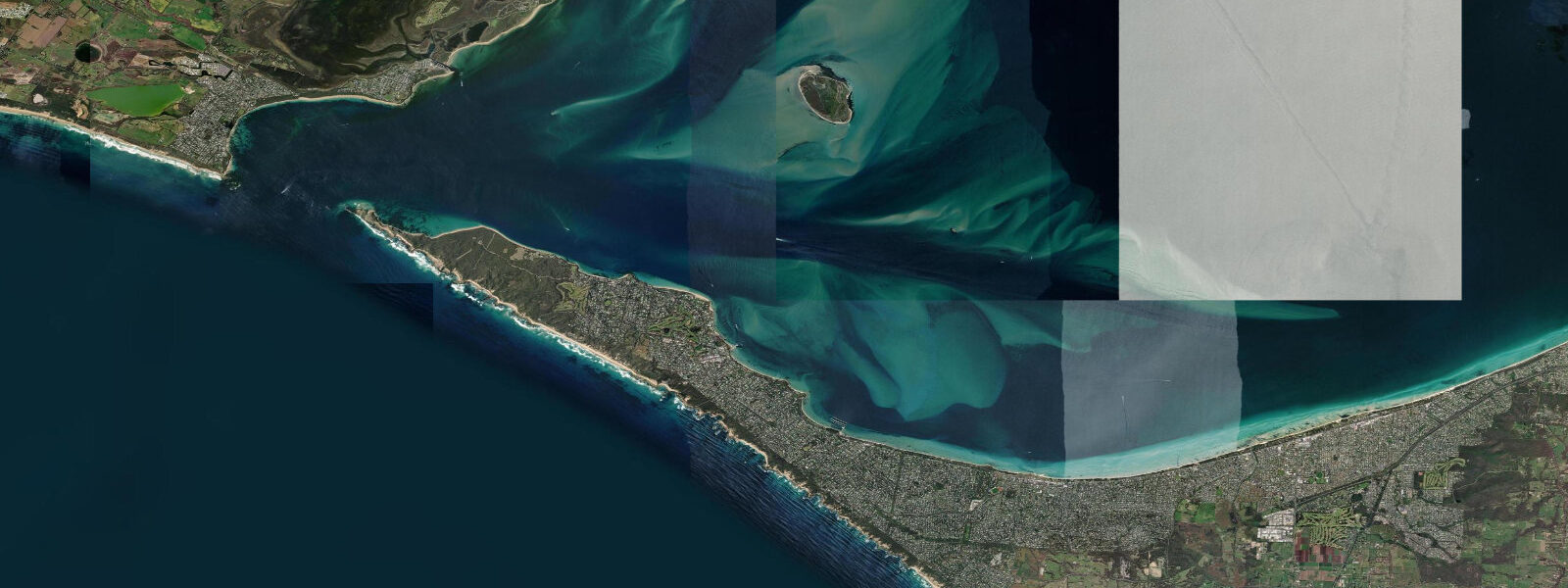
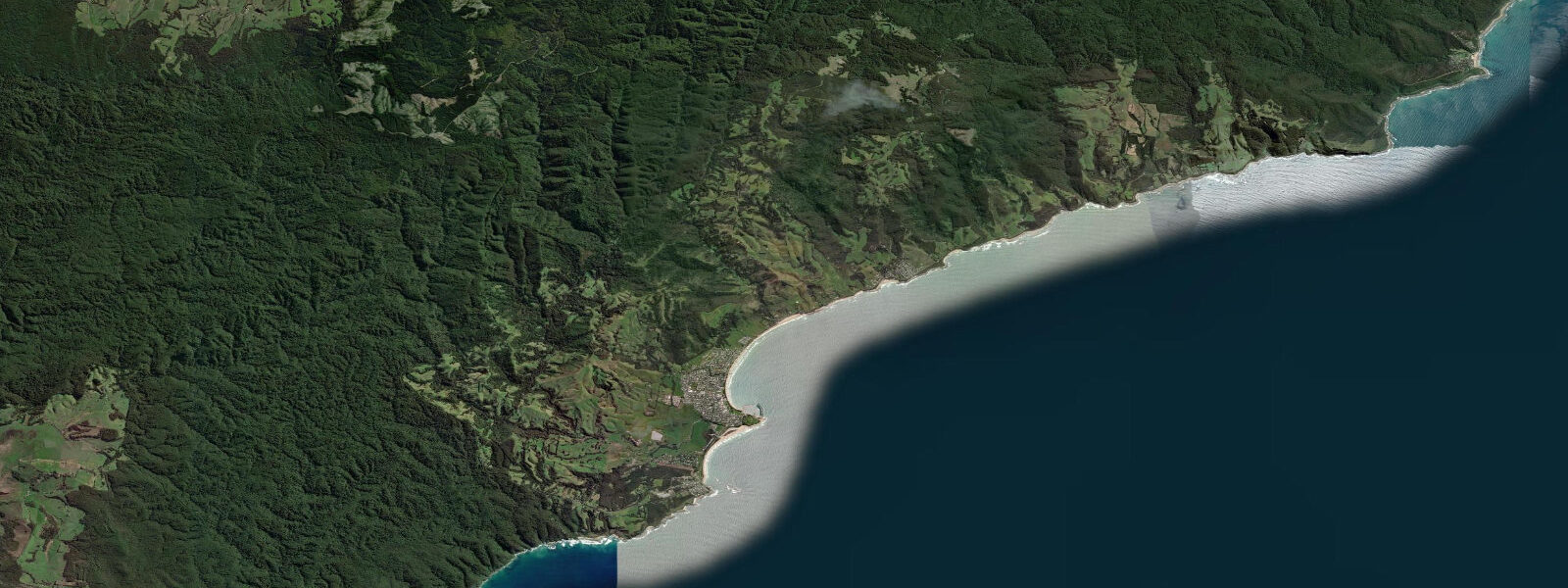
The three closest curated TideTurtle locations to Torquay, measured by great-circle distance.
Today's solunar windows
Solunar tradition: major periods are the ≈3h windows around moon transit and opposition; minor are ≈2h around moonrise and moonset. Pair with the local tide stage and wind for the best read.
Cycle dates near Torquay
Next spring tide on Fri 07 Aug (range 2.0m). Last neap on Mon 03 Aug. Next neap on Sat 08 Aug.
Spring tides cluster around new and full moons (biggest swings). Neap tides land on quarter moons (smallest swings). See the spring tide and neap tide glossary entries for the why.
About tides at Torquay
A short guide to the coastline at Torquay — geography, sea state, and what the tide is actually doing under your feet.
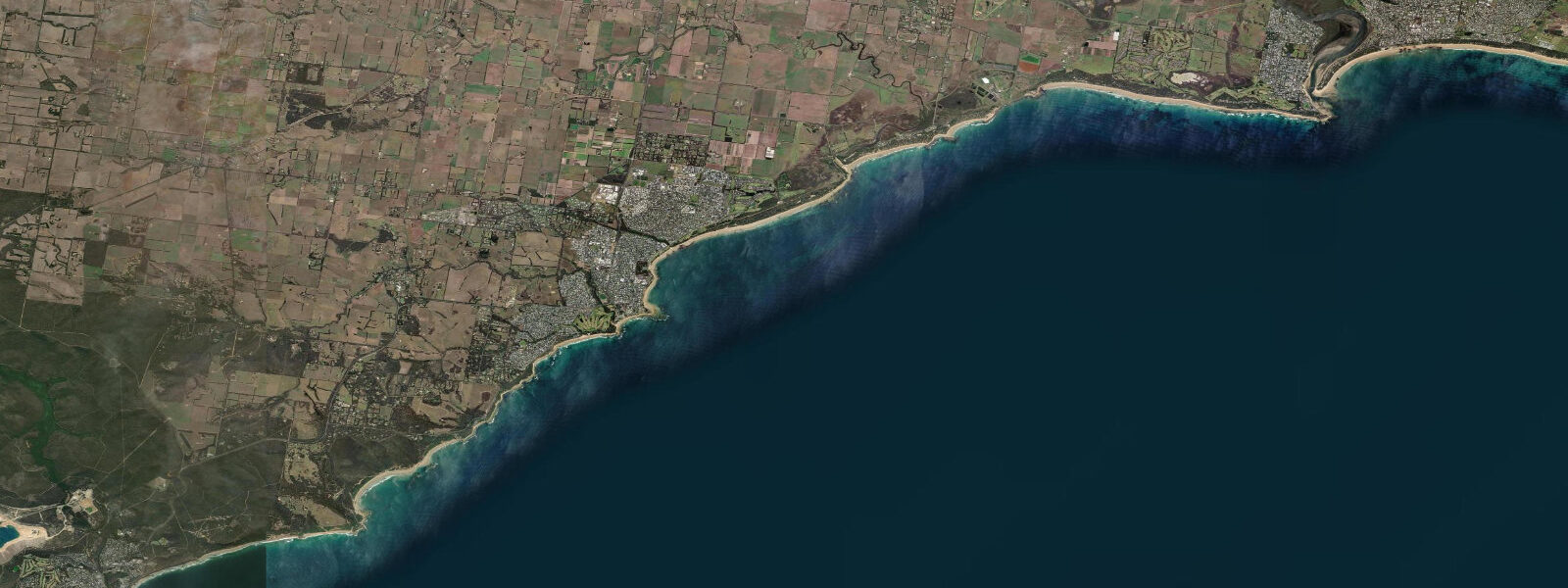
Torquay is the start of the Great Ocean Road on Victoria's Surf Coast, 100 kilometres southwest of Melbourne. It's home to Bells Beach — Australia's most famous surf contest venue and the host of the Rip Curl Pro, the world's longest-running professional surfing event. The tidal pattern in Bass Strait is mixed semidiurnal: mean spring range around 1.0 to 1.2 metres. The tidal range is small; it's the Bass Strait groundswell from Southern Ocean storms that defines conditions here.
Bells Beach breaks over a hard basalt platform at the base of 30-metre clay cliffs. The wave is a right-hand point break that handles large swell (4 to 10 feet) with power and definition. Low tide exposes the platform and the wave becomes hollow and demanding; high tide softens it slightly. The Rip Curl Pro runs when swell exceeds 6 feet (usually Easter weekend in April, adjusted to the actual swell windows). When it fires in a 10-foot swell, Bells is one of the most impressive surfing waves in the Southern Hemisphere.
Point Bells (the left-hand break opposite Bells) is less famous but also works in large swell — a long, walling wave that can run 200 metres in the right conditions. Rincon (between Bells and Winki Pop) is a third break within the Bells precinct that catches more swell than the main break in smaller conditions.
For intermediate surfers, Torquay Front Beach and Jan Juc (2 km south) are the more accessible options. Jan Juc has a beach break that works at most tides in 2 to 4 foot swell; it's the main learner area. Surf World, the surfing museum on the Great Ocean Road, is in Torquay and documents the history of Australian and international surfing.
The Great Ocean Road begins at the memorial arch at Torquay and runs 243 km southwest to Allansford near Warrnambool, passing the Twelve Apostles sea stacks, Loch Ard Gorge, and some of the most dramatic cliff coast in Australia. Driving the Road requires 2 to 3 days for a proper experience; Port Campbell National Park (160 km southwest) is the headline destination.
Predictions on this page come from Open-Meteo Marine, a gridded global ocean model. Accuracy is typically within plus or minus 45 minutes on timing and 0.2 to 0.3 metres on height — model-derived, not from a local gauge. For authoritative Australian tide data, consult the Australian Bureau of Meteorology at bom.gov.au.
Tide questions about Torquay
Quick answers to the most common questions about tide times, range, and water access at Torquay.
What is Bells Beach famous for?
Bells Beach is Australia's most iconic surf break — a right-hand point break over a basalt platform below clay cliffs south of Torquay. It's the venue for the Rip Curl Pro, the world's longest-running professional surfing event, held each Easter. The wave is powerful and best in 4 to 10 foot Bass Strait groundswell. It's an advanced wave — the low-tide platform section is shallow and unforgiving. Spectating from the cliff top is free and the view into the bowl is excellent.
What is the tidal range at Torquay?
Bass Strait tides at Torquay are mixed semidiurnal with a mean spring range of about 1.0 to 1.2 metres. The small range means tidal state has less influence on surf quality than swell size and period. Bells Beach works best at low to mid-tide when the platform is exposed enough to create the hollow section; high tide makes the wave more forgiving but less powerful.
Where can beginner surfers learn at Torquay?
Jan Juc beach (2 km south of Torquay Front Beach) is the main beginner and intermediate surf zone. Several surf schools operate from Jan Juc and Torquay Front Beach — Torquay Surf Academy and Go Ride A Wave are the main operators. The Great Ocean Road region has dozens of surf schools; many offer 2-hour introductory lessons. The Front Beach at Torquay is patrolled by surf lifesavers in summer.
When does the Rip Curl Pro run?
The Rip Curl Pro at Bells Beach is held over the Easter long weekend each year (March or April), with the event window extending for a week to allow for swell selection. The competition only runs when swell exceeds approximately 6 feet; if conditions don't deliver, the event holds for the best available days. Spectating from the cliff top is free; access roads are closed to vehicles during the event and a shuttle bus runs from Torquay. Major years (when the 10-foot swell arrives) attract 20,000+ spectators to the cliff.
What is the Great Ocean Road?
The Great Ocean Road is a 243 km coastal highway from Torquay to Allansford, built by returned soldiers after World War I (1919-1932) as a memorial to their fallen comrades. It passes through Lorne, Apollo Bay, and Port Campbell National Park, where the Twelve Apostles sea stacks rise from the Southern Ocean. Driving the full road takes 2 to 3 days at a pace that includes stops; Port Campbell National Park (160 km from Torquay) is the headline destination and requires at least 2 hours for the coastal walk.
8-day tide table — Torquay
Heights relative to MSL. Predictions: Open-Meteo Marine (MeteoFrance SMOC, 0.08° grid) — heights relative to MSL (not chart datum / LAT). Model-derived.
| Day | Type | Time | Height |
|---|---|---|---|
| Mon 03 Aug | Low | 10:00 | -0.2m |
| High | 14:16 | 1.1m | |
| Low | 20:17 | -0.6m | |
| Tue 04 Aug | High | 02:35 | 0.8m |
| Low | 08:20 | -0.7m | |
| High | 14:50 | 1.0m | |
| Low | 20:54 | -0.8m | |
| Wed 05 Aug | High | 03:19 | 0.9m |
| Low | 09:06 | -0.7m | |
| High | 15:27 | 0.9m | |
| Low | 21:27 | -1.0m | |
| Thu 06 Aug | High | 04:10 | 0.9m |
| Low | 09:44 | -0.6m | |
| High | 15:58 | 0.8m | |
| Low | 22:05 | -1.1m | |
| Fri 07 Aug | High | 04:57 | 0.8m |
| Low | 10:24 | -0.5m | |
| High | 16:36 | 0.7m | |
| Low | 22:46 | -1.1m | |
| Sat 08 Aug | High | 05:53 | 0.8m |
| Low | 11:06 | -0.3m | |
| Sun 09 Aug | High | 06:58 | 1.1m |
| Low | 12:03 | 0.1m | |
| High | 17:43 | 0.9m | |
| Mon 10 Aug | Low | 00:24 | -0.8m |
| High | 07:53 | 0.9m |