Airlie Beach tide times
Airlie Beach tide forecast — heights relative to MSL.
Today's tide times for Airlie Beach
Tide times at Airlie Beach on Monday, 3 August 2026: first low tide at 10:00, first high tide at 13:05, second low tide at 18:41. Sunrise 06:34, sunset 17:48.
Tide chart for Airlie Beach
24-hour cosine-interpolated curve around the present moment. Heights relative to MSL. Predictions: Predictions: Open-Meteo Marine (MeteoFrance SMOC, 0.08° grid).
Sun, moon and conditions on Mon 03 Aug
Snapshot at build time — refreshes daily. Sea state from Open-Meteo Marine.
Highs and lows next 7 days
Every predicted high and low for the next week, with the daily tidal coefficient (0–120; higher = bigger swing, > 95 means stronger currents).
Other spots nearby
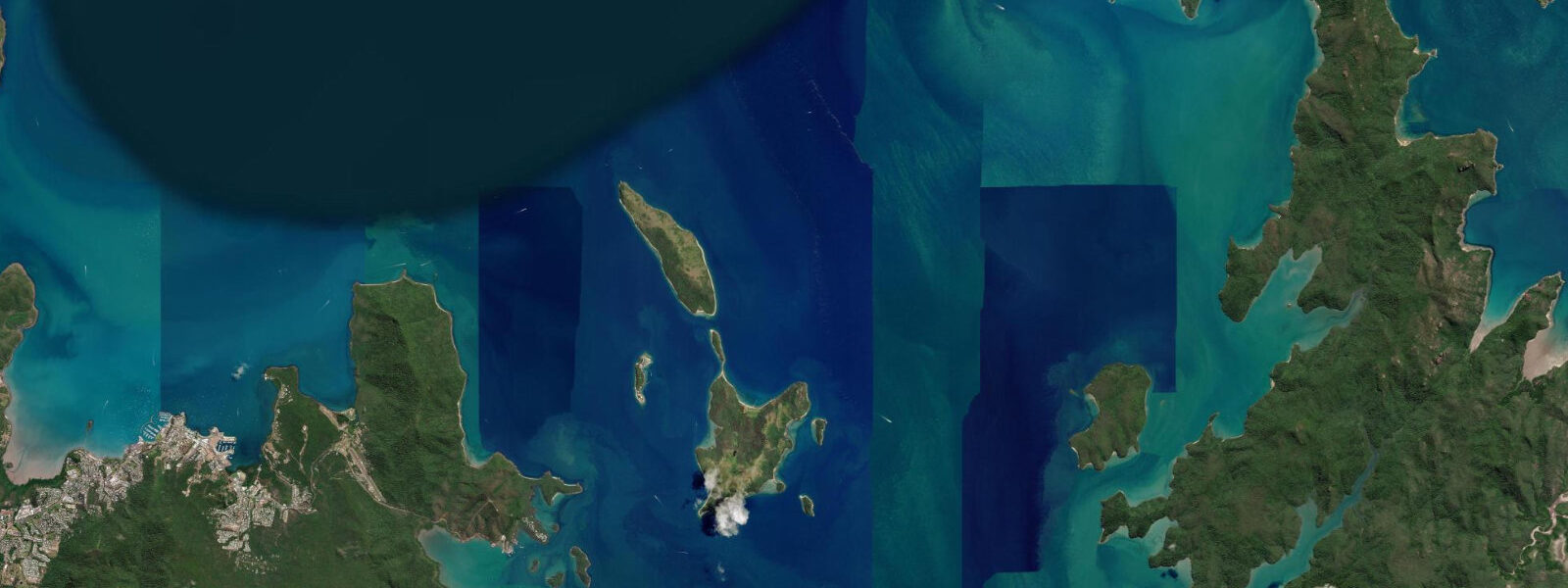
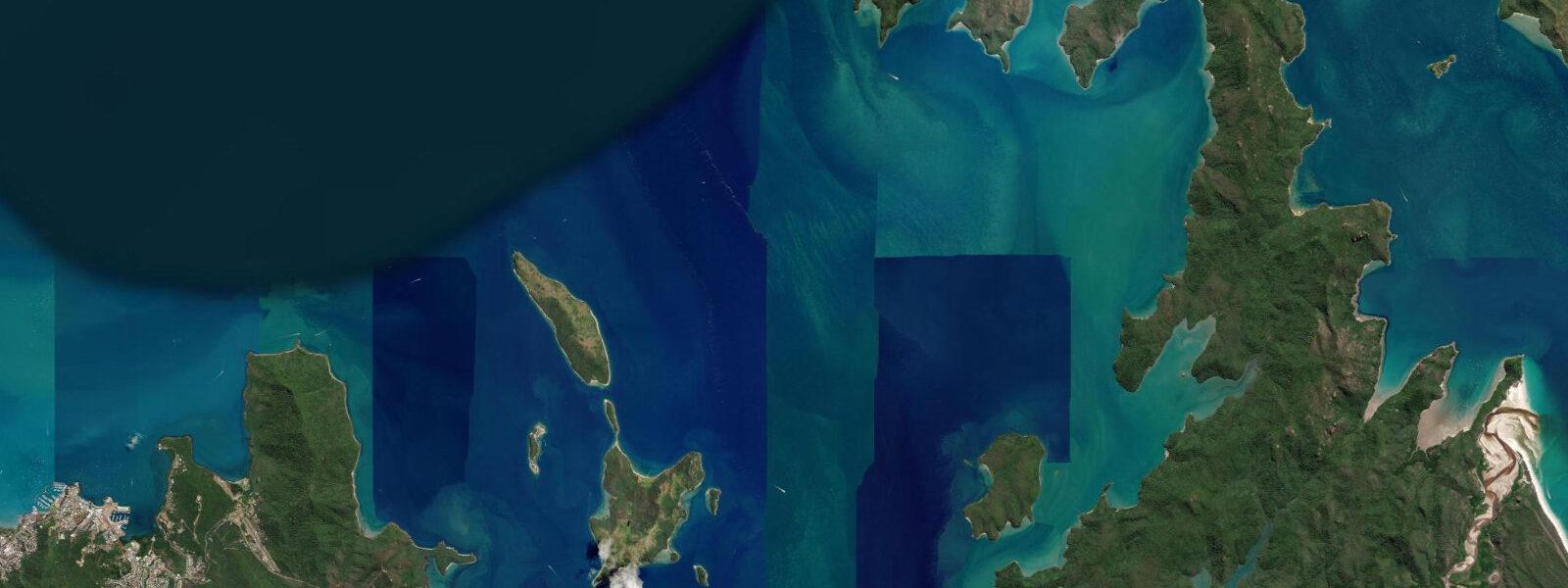
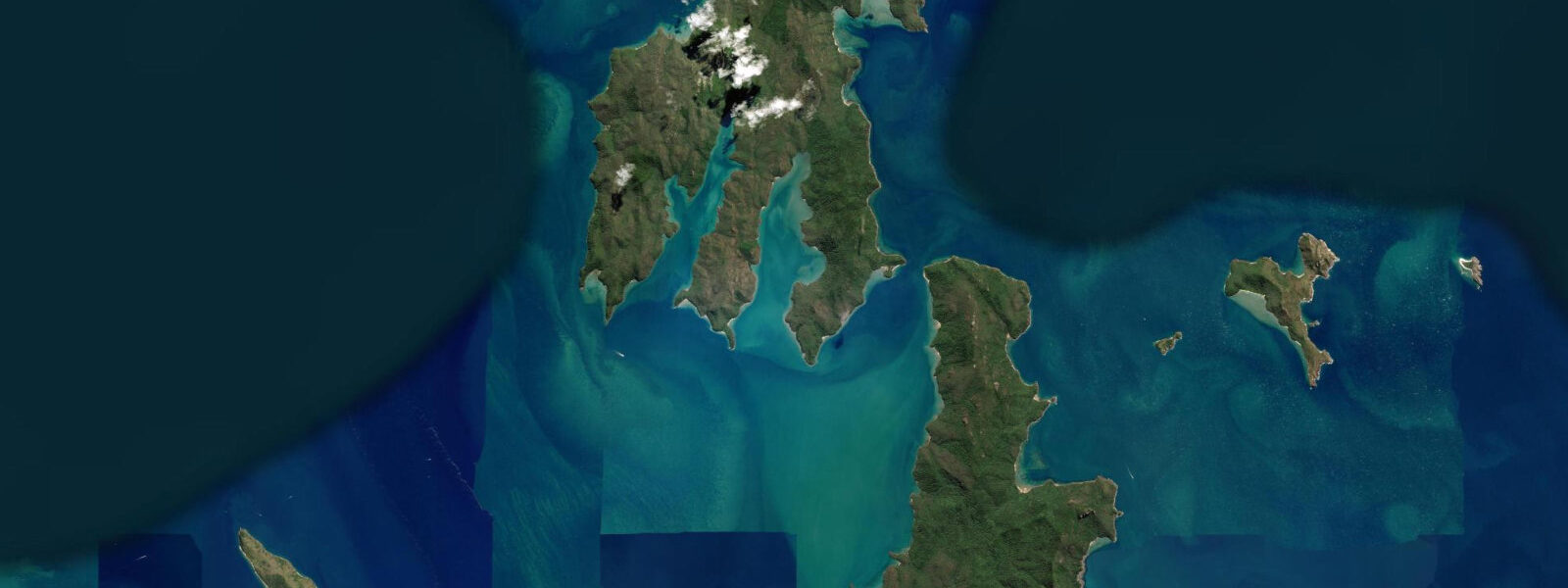
The three closest curated TideTurtle locations to Airlie Beach, measured by great-circle distance.
Today's solunar windows
Solunar tradition: major periods are the ≈3h windows around moon transit and opposition; minor are ≈2h around moonrise and moonset. Pair with the local tide stage and wind for the best read.
Cycle dates near Airlie Beach
Last spring tide on Mon 03 Aug (range 1.8m). Next spring tide on Sun 09 Aug (range 3.0m). Next neap on Thu 06 Aug.
Spring tides cluster around new and full moons (biggest swings). Neap tides land on quarter moons (smallest swings). See the spring tide and neap tide glossary entries for the why.
About tides at Airlie Beach
A short guide to the coastline at Airlie Beach — geography, sea state, and what the tide is actually doing under your feet.
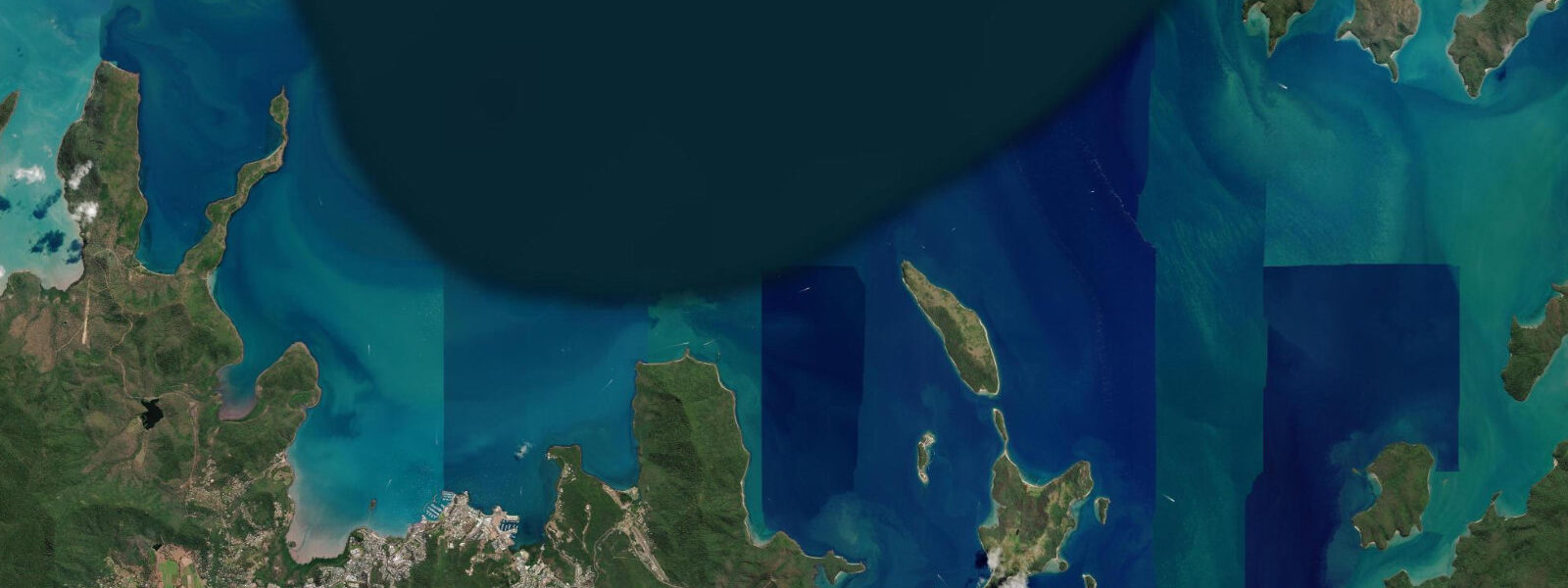
Airlie Beach is the jumping-off point for the Whitsunday Islands — 74 islands and cays scattered in the Coral Sea between the Great Barrier Reef and the Queensland coast. The town sits on Airlie Bay, sheltered from the prevailing southeast trade wind by the headland to the east. Tidal range in the Whitsunday Passage is significant: mean spring range around 3.5 to 4.0 metres in the narrower channel sections, with tidal current running 2 to 3 knots on springs through the passages between islands.
Sailing is the defining activity. The Whitsundays are a premier sailing charter destination — hundreds of bareboat and skippered charter yachts operate from Abel Point Marina beside Airlie Beach. The trade wind blows 15 to 20 knots from the southeast from April through October (the dry season sailing season); December through March brings the wet season with lighter and more variable winds and higher thunderstorm frequency. Charter routes typically visit Whitehaven Beach, Hill Inlet, and the fringing reef sections on the eastern sides of the outer islands.
Whitehaven Beach — on Whitsunday Island, 30 minutes by fast ferry from Airlie Beach — is consistently rated one of the finest beaches in the world. The beach is 7 kilometres of 98% pure silica sand, white enough to reflect the sky. Hill Inlet at the north end of the beach is where the tidal current shifts the sand patterns with each cycle, creating a visible braided pattern of sand and turquoise water that is the signature photograph of the Whitsundays. The pattern changes daily with the tide.
Snorkelling is best done at the outer island reef sections, not from Airlie Beach itself (the inner passage water is stirred up by tidal current and has limited visibility). Hayman Island, Langford Reef, and the fringing reefs of Hook Island have 8 to 15 metre visibility and good coral and fish diversity. Manta rays are regularly encountered at Manta Ray Bay on Hook Island.
The stinger season (October through May) applies in the Whitsundays. Box jellyfish and Irukandji are present; swimming in the open water without a full-length lycra stinger suit is not recommended. Whitehaven Beach is open-water swimming; most visitors wear stinger suits provided by charter operators.
Predictions on this page come from Open-Meteo Marine, a gridded global ocean model. Accuracy is typically within plus or minus 45 minutes on timing and 0.2 to 0.3 metres on height — model-derived, not from a local gauge. For authoritative Australian tide data, consult the Australian Bureau of Meteorology at bom.gov.au.
Tide questions about Airlie Beach
Quick answers to the most common questions about tide times, range, and water access at Airlie Beach.
What is the best time to visit the Whitsundays?
April through October is the dry season and peak sailing season. The southeast trade wind blows consistently at 15 to 20 knots, providing reliable sailing conditions and minimal rain. July and August are the busiest months; book charter boats and accommodation 3 to 6 months ahead. November through March is the wet season — more humid, thunderstorm risk, variable winds — but cheaper and less crowded. Stinger season (jellyfish) runs October through May.
How do I get to Whitehaven Beach?
Whitehaven Beach is on Whitsunday Island, inaccessible by car. Options: fast ferry day trip from Airlie Beach (30 to 45 minutes, A$100 to A$180 per person), sailing charter (2 to 7 days), scenic flight/helicopter transfer (30 minutes, A$200 to A$400+). The ferry drops at the southern beach access; Hill Inlet at the north end requires a walk along the beach or a separate boat access. Day trips from Airlie Beach are the most affordable option.
What are the tidal currents like in the Whitsunday Passage?
Tidal range in the Whitsunday Passage reaches 3.5 to 4 m on springs, generating 2 to 3 knot currents through the narrower passages between islands. This is significant for sailing — passage timing is planned around favourable current. Hill Inlet at the north end of Whitehaven Beach is directly affected by the tide: the tidal current shifts the sand pattern, making the viewed landscape different at each tidal state. For the best braided sand photograph, visit at low to mid-incoming tide.
Is sailing experience required for a Whitsunday bareboat charter?
Most bareboat charter operators require a demonstrated competency assessment before allowing self-skippered charters — typically a boat handling check within the marina. No formal licence is legally required for sailing in Queensland waters, but most operators ask for evidence of sailing experience (logbook or skipper's certificate). Skippered charter (operator-provided skipper) is available for those without experience. Sailing courses are available in Airlie Beach for people who want to upskill before chartering.
Are jellyfish a problem at Whitehaven Beach?
Stinger season runs October through May in the Whitsundays. Box jellyfish (Chironex fleckeri) and Irukandji are present in the inshore waters during these months. Most charter operators provide full-length lycra stinger suits; wearing one is strongly recommended when swimming from beaches during stinger season. The open-water sections between islands and the beach itself are considered open water — no stinger nets. June through September is outside stinger season and open-water swimming is generally safer.
8-day tide table — Airlie Beach
Heights relative to MSL. Predictions: Open-Meteo Marine (MeteoFrance SMOC, 0.08° grid) — heights relative to MSL (not chart datum / LAT). Model-derived.
| Day | Type | Time | Height |
|---|---|---|---|
| Mon 03 Aug | Low | 10:00 | 0.5m |
| High | 13:05 | 1.2m | |
| Low | 18:41 | -0.1m | |
| Tue 04 Aug | High | 01:02 | 1.4m |
| Low | 07:34 | -0.3m | |
| High | 14:10 | 1.2m | |
| Low | 19:53 | 0.1m | |
| Wed 05 Aug | High | 02:00 | 1.2m |
| Low | 08:37 | -0.3m | |
| High | 15:33 | 1.3m | |
| Thu 06 Aug | Low | 09:50 | -0.4m |
| High | 16:54 | 1.5m | |
| Low | 23:20 | 0.2m | |
| Fri 07 Aug | High | 04:45 | 0.9m |
| Low | 10:54 | -0.4m | |
| High | 17:58 | 1.7m | |
| Sat 08 Aug | Low | 00:42 | -0.1m |
| High | 06:02 | 0.9m | |
| Low | 12:02 | -0.6m | |
| High | 18:55 | 2.0m | |
| Sun 09 Aug | Low | 01:40 | -0.3m |
| High | 07:00 | 1.0m | |
| Low | 13:02 | -0.8m | |
| High | 19:45 | 2.2m | |
| Mon 10 Aug | Low | 02:27 | -0.6m |
| High | 07:51 | 1.1m |