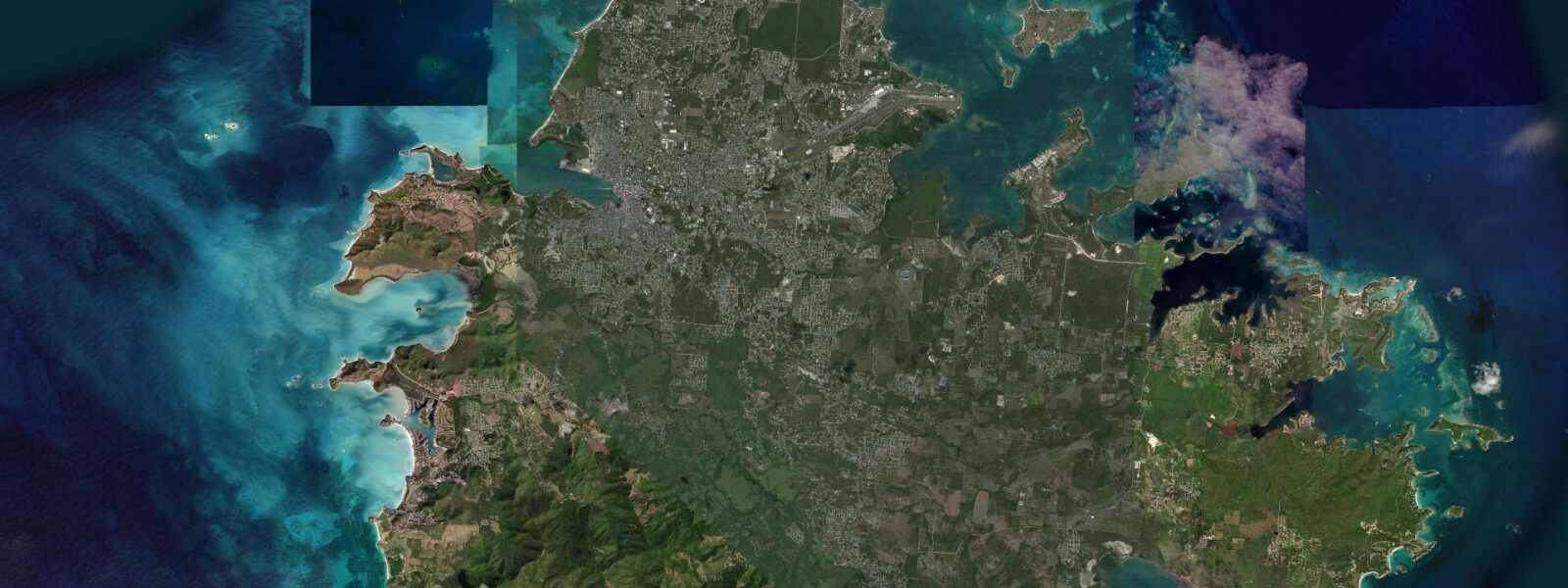
St. John's, Antigua tide times
St. John's, Antigua tide forecast — heights relative to MSL.
Tide chart for St. John's, Antigua
24-hour cosine-interpolated curve around the present moment. Heights relative to MSL. Predictions: Predictions: Open-Meteo Marine (MeteoFrance SMOC, 0.08° grid).
Sun, moon and conditions on Tue 04 Aug
Snapshot at build time — refreshes daily. Sea state from Open-Meteo Marine.
Highs and lows next 7 days
Every predicted high and low for the next week, with the daily tidal coefficient (0–120; higher = bigger swing, > 95 means stronger currents).
Other spots nearby
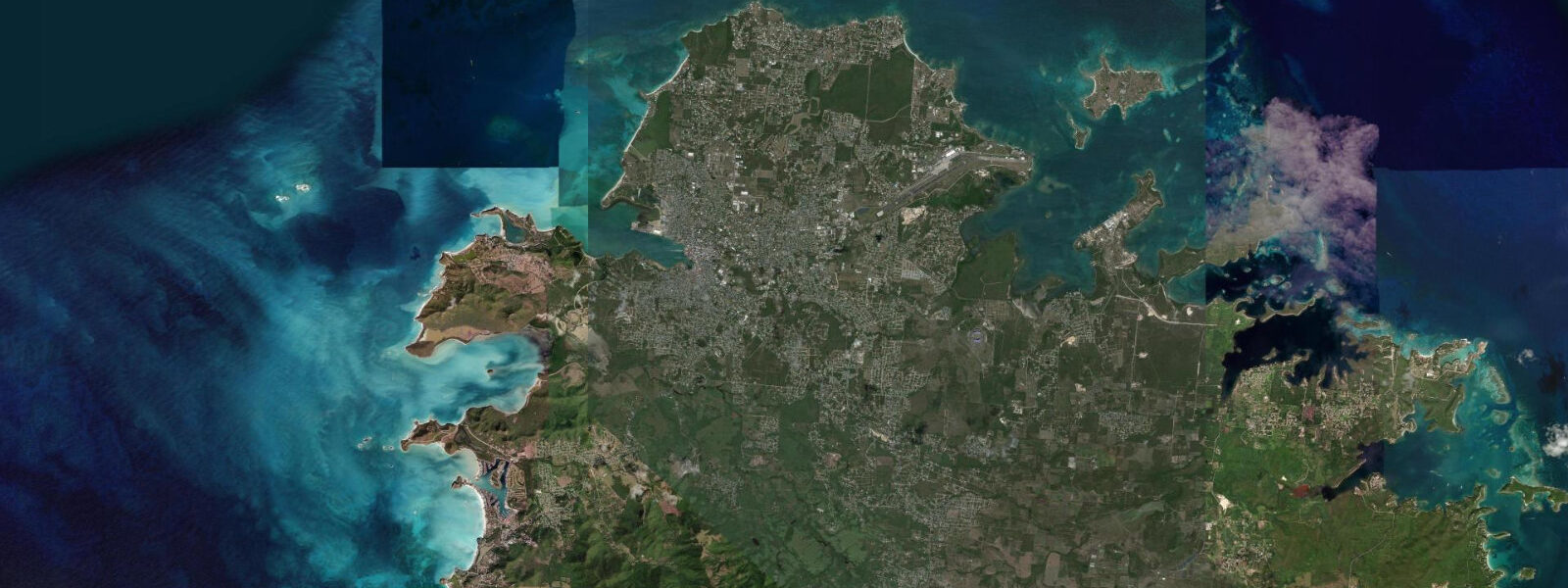
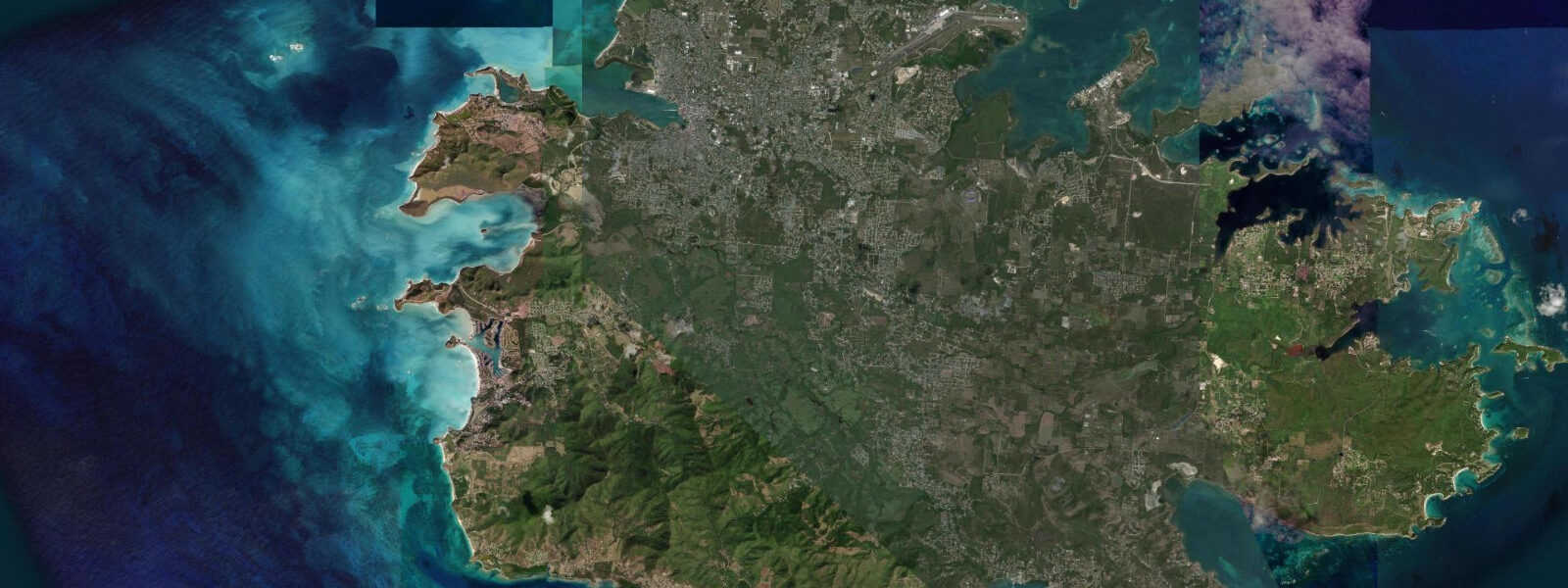
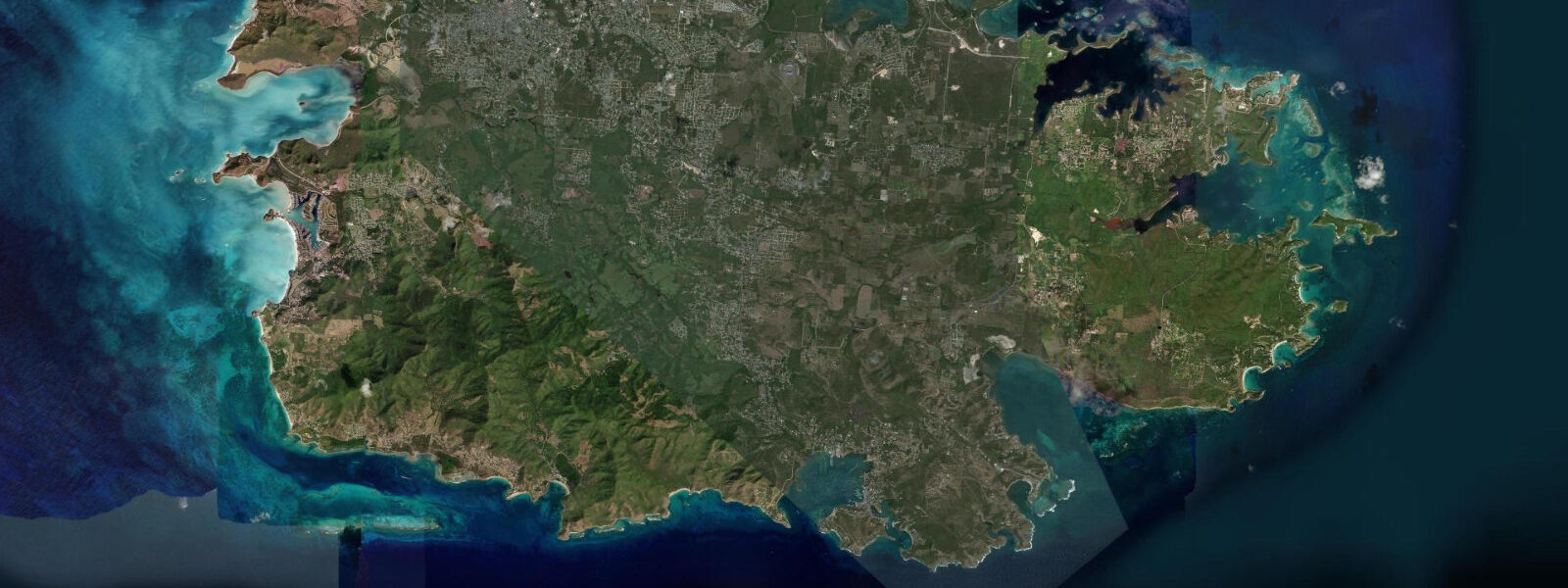
The three closest curated TideTurtle locations to St. John's, Antigua, measured by great-circle distance.
Today's solunar windows
Solunar tradition: major periods are the ≈3h windows around moon transit and opposition; minor are ≈2h around moonrise and moonset. Pair with the local tide stage and wind for the best read.
About tides at St. John's, Antigua
A short guide to the coastline at St. John's, Antigua — geography, sea state, and what the tide is actually doing under your feet.
St. John's is the capital and commercial centre of Antigua and Barbuda, a working port city on the northwest coast of Antigua that handles the island's cruise ship traffic, its ferry connections to Barbuda and the neighbouring islands, and the import trade that keeps a small island economy running. The harbour is one of the deepest natural harbours in the eastern Caribbean — cruise ships berth directly alongside at Heritage Quay and Redcliffe Quay without tenders, which is commercially significant and visible from the main street level.
The tidal regime at St. John's is Caribbean microtidal: mixed semidiurnal with spring range approximately 0.3 m. The tide signal is among the smallest in the Lesser Antilles at this location — trade wind patterns and barometric pressure variations contribute as much to daily water-level change as the astronomical tide. The harbour maintains consistent depth at all tide stages for commercial shipping; the small range means no vessel in the harbour adjusts operations for tidal state.
The Redcliffe Quay and Heritage Quay historic waterfront are the commercial core — duty-free shops, restaurants, and the base of operations for cruise passengers who arrive several times a week throughout the year, peaking in December through April. The St. John's market, a block inland on Market Street, is the genuinely functional heart of the city's food supply: fruit, vegetables, and spices from Antigua's interior farms, fresh fish from the harbour fleet, and the informal commerce that runs parallel to the cruise-facing economy. The Saturday morning market is the fullest; it opens at 06:00 and many of the best produce stalls are cleared by 10:00.
For anglers, the St. John's harbour mouth and the coast north toward Dickinson Bay hold barracuda, jack, and snapper on the ebb current. The deeper water immediately outside the harbour entrance drops quickly off the reef shelf — sport fishing boats run north along the coast to access the Atlantic for pelagics: blue marlin, wahoo, and yellowfin tuna. Charters operate from the harbour quay and from the marina at Jolly Harbour (see separate listing). The north coast between St. John's and Dickinson Bay has reef structure accessible by snorkel from the beach at Dickinson Bay, 5 km north.
Fort James, on the headland north of the harbour entrance, is the best historical vantage point for understanding St. John's' harbour geography. The fort was built in the 17th century to defend the harbour approach; the cannon emplacements face northwest across the harbour mouth and the view from the ramparts takes in the full sweep of the bay and the cruise terminal below. From this height the tidal range is invisible — the harbour looks the same at high and low water, the range being too small to register at a distance.
Dickinson Bay, 5 km north of the city, is the main resort beach accessible from St. John's — a 1.5 km north-facing beach with calm Caribbean water, small hotels, restaurants, and water sports operations. The reef structure at the northern end of Dickinson Bay at Runaway Bay provides snorkelling from the beach in 2–4 m. Tidal state at Dickinson Bay follows the same microtidal pattern as the capital — morning is the flattest water window before the afternoon northeast breeze picks up.
The Antigua Recreation Ground — the national cricket ground — sits 300 m east of the market, and international cricket (Test matches, ODIs, and the Caribbean Premier League T20 franchise) draws the island's most engaged crowds. Match days in the dry season fill the city's restaurants and bars in a way that cruise ship arrivals do not.
For photographers, the view from the Redcliffe Quay waterfront at dawn — before the cruise ships are operational — gives the colonial warehouse architecture, the harbour water, and the first light on the buildings without the midday commercial overlay. The Fort James headland at sunset gives the harbour entrance, the reef line, and the last light over the Caribbean.
All tide predictions for St. John's, Antigua come from the Open-Meteo Marine gridded model. Timing accuracy is ±45 minutes; height accuracy is ±0.3 m above Chart Datum.
Tide questions about St. John's, Antigua
Quick answers to the most common questions about tide times, range, and water access at St. John's, Antigua.
What is the tidal range at St. John's, Antigua?
St. John's has one of the smallest tidal ranges in the eastern Caribbean — spring range approximately 0.3 m. The tide is mixed semidiurnal (two highs and two lows daily) with significant diurnal inequality typical of the Lesser Antilles. Trade wind patterns and barometric pressure variations contribute as much to water-level change as the astronomical tide itself. The deep natural harbour at St. John's maintains commercial shipping depth at all tide stages; cruise ships dock alongside and inter-island ferries depart on schedule regardless of tidal state. No vessel operations in the harbour are tide-constrained.
When do cruise ships call at St. John's, and does it affect the waterfront?
Cruise ships call at Heritage Quay and Redcliffe Quay year-round, with peak frequency December through April (dry season). Three to four ships per week is typical in peak season; some days bring two ships simultaneously to the berths. When ships are in port, the quay area and the main shopping streets between the terminals and the market are at full capacity by 09:00. The quietest waterfront access is before 08:00 (before passengers disembark) and after 17:00 (after ships have departed). Cruise-free days mid-week are the easiest days to access the historic market and quayside without crowd pressure.
Is Dickinson Bay worth visiting from St. John's for snorkelling?
Dickinson Bay is 5 km north of the capital — a 10-minute taxi or 15-minute bus ride — and offers the closest reef snorkelling to St. John's. The reef at the northern end of the bay (transitioning to Runaway Bay) has coral patches in 2–4 m, accessible by snorkelling from the beach without a boat. Fish density is moderate; the reef has some recovery from historic bleaching but remains productive for Caribbean reef species. Morning is the best visibility window. The beach itself is calm and well-serviced with chair rentals and restaurant access.
What sport fishing is available from St. John's?
Sport fishing boats operate from St. John's harbour and Jolly Harbour marina, targeting blue marlin, wahoo, and yellowfin tuna offshore north and west of the island. The Atlantic waters north of Antigua, accessible in a 45-minute run from St. John's, are productive from December through April when the migratory pelagic season peaks. Nearshore, barracuda and jack hold on the reef structure north of the harbour entrance. Half-day and full-day charters can be arranged from the Heritage Quay area; most captains monitor VHF 16.
What is the Saturday market like in St. John's?
The St. John's public market on Market Street runs Saturday from 06:00. Produce stalls open first with the week's farm output from the island's interior — black pineapple (Antigua's local variety), mangoes, guava, christophene, callaloo, and provisions. The fish section on the market perimeter has fresh catch from the harbour fleet. Most stalls are cleared by noon; the best selection is between 07:00 and 10:00. This is a working market supplying the city's household food, not a tourist craft market — prices are local. The Market Street location is 300 m from Redcliffe Quay.
6-day tide table — St. John's, Antigua
Heights relative to MSL. Predictions: Open-Meteo Marine (MeteoFrance SMOC, 0.08° grid) — heights relative to MSL (not chart datum / LAT). Model-derived.
| Day | Type | Time | Height |
|---|---|---|---|
| Tue 04 Aug | — | ||
| Wed 05 Aug | — | ||
| Thu 06 Aug | — | ||
| Fri 07 Aug | — | ||
| Sat 08 Aug | — | ||
| Sun 09 Aug | Low | 08:00 | 0.1m |