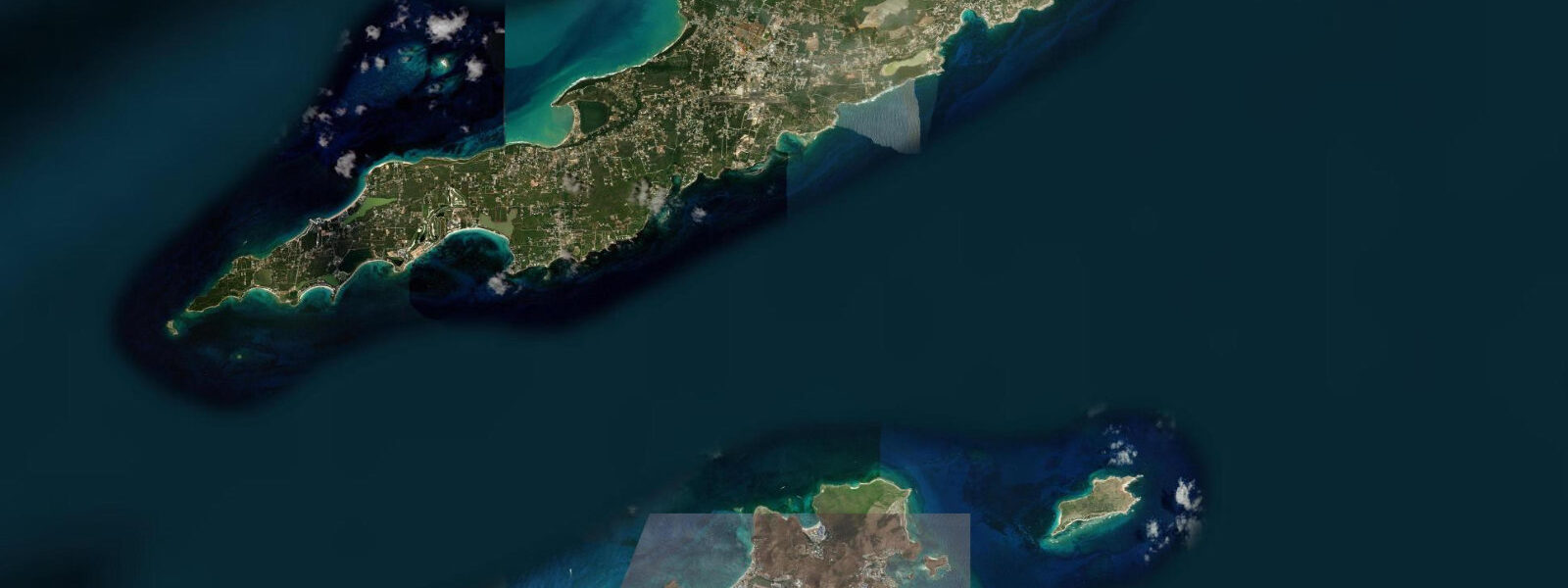
Shoal Bay East, Anguilla tide times
Shoal Bay East, Anguilla tide forecast — heights relative to MSL.
Today's tide times for Shoal Bay East, Anguilla
Tide times at Shoal Bay East, Anguilla on Tuesday, 4 August 2026: first low tide at 05:50am. Sunrise 05:51am, sunset 06:44pm.
Tide chart for Shoal Bay East, Anguilla
24-hour cosine-interpolated curve around the present moment. Heights relative to MSL. Predictions: Predictions: Open-Meteo Marine (MeteoFrance SMOC, 0.08° grid).
Sun, moon and conditions on Tue 04 Aug
Snapshot at build time — refreshes daily. Sea state from Open-Meteo Marine.
Highs and lows next 7 days
Every predicted high and low for the next week, with the daily tidal coefficient (0–120; higher = bigger swing, > 95 means stronger currents).
Other spots nearby
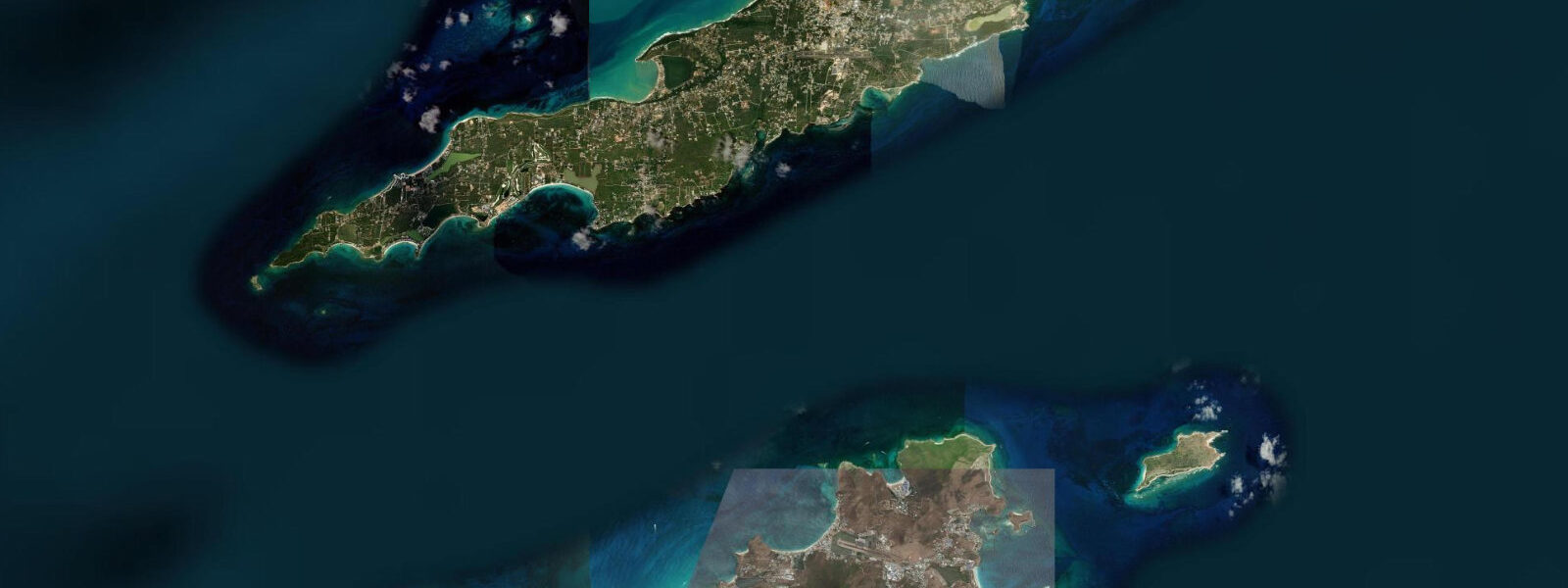
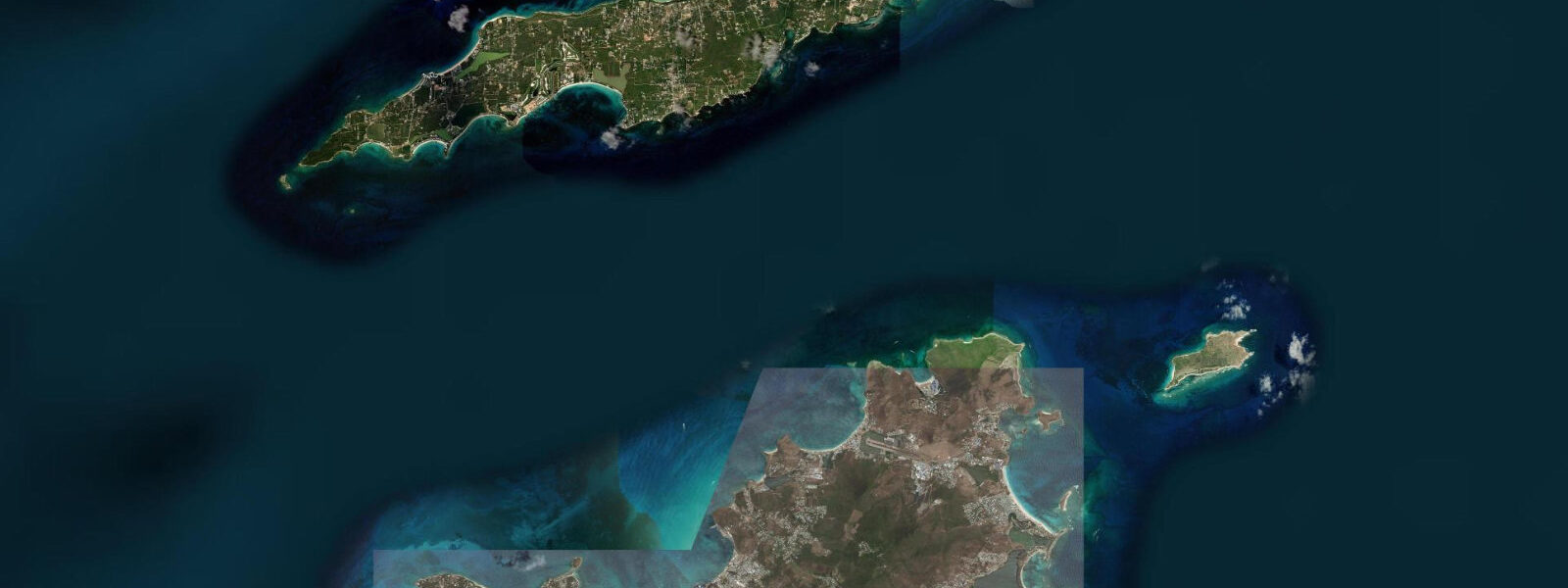
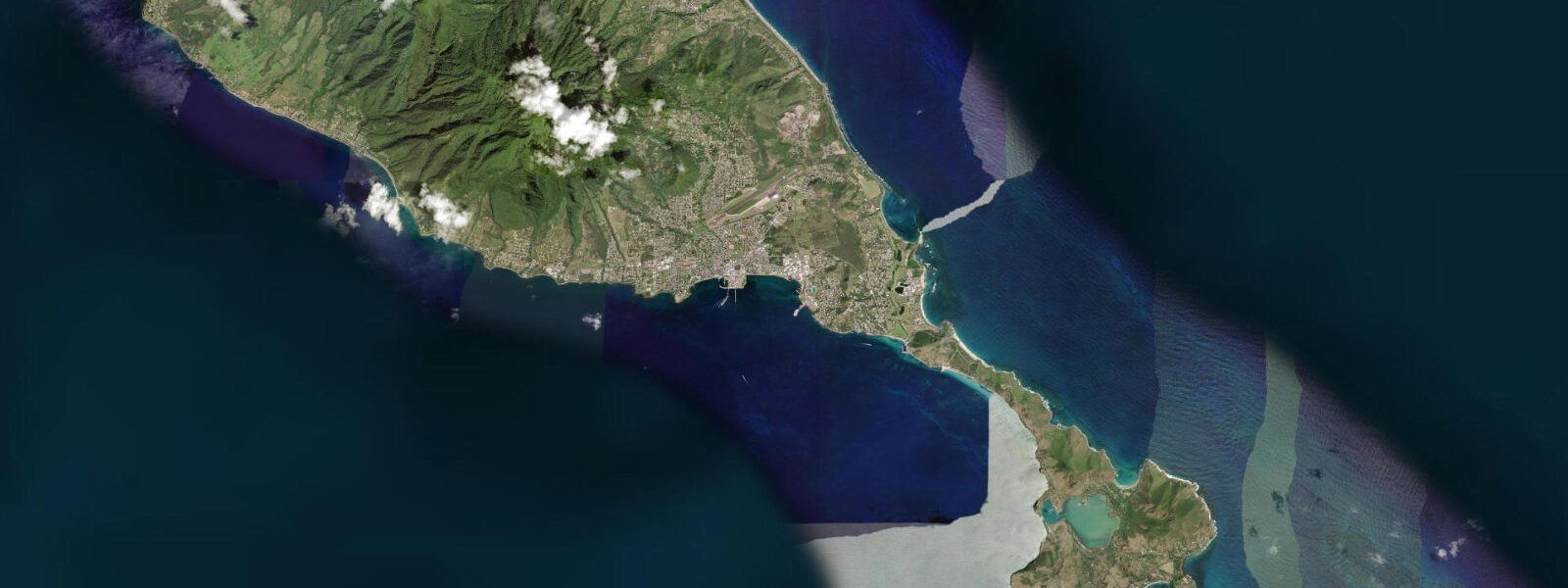
The three closest curated TideTurtle locations to Shoal Bay East, Anguilla, measured by great-circle distance.
Today's solunar windows
Solunar tradition: major periods are the ≈3h windows around moon transit and opposition; minor are ≈2h around moonrise and moonset. Pair with the local tide stage and wind for the best read.
About tides at Shoal Bay East, Anguilla
A short guide to the coastline at Shoal Bay East, Anguilla — geography, sea state, and what the tide is actually doing under your feet.
Shoal Bay East is consistently cited as Anguilla's most beautiful beach — a 3-kilometre arc of powdery white sand on the island's north coast, fronted by turquoise water over a shallow sand flat and protected by a reef system 200 to 400 metres offshore that breaks the Atlantic swell before it reaches the beach. The sand is silica-white, fine-grained, and stays cool underfoot in the direct tropical sun longer than most Caribbean beaches — a quality that regular visitors note without being able to fully explain, attributed to the grain composition and the beach's orientation to the trade wind.
The tidal regime is mixed semidiurnal microtidal: spring range 0.3 to 0.5 metres. The beach faces northeast and receives the full trade wind, which means it is never completely flat, but the offshore reef absorbs the swell energy so the inshore water is calm and swimmable across the full tidal cycle. The slight north-facing orientation means Shoal Bay East picks up a little more north Atlantic swell than the fully sheltered south and west bays; occasionally in winter (November through March) a north swell wraps around the reef and adds a small shore break, still swimmable but livelier than normal.
The reef at Shoal Bay East is one of Anguilla's primary snorkelling and dive sites. The inshore section — from the beach edge to roughly 100 metres out — has moderate coral cover on the sand flat, with staghorn and elkhorn coral patches, surgeonfish, parrotfish, and various wrasse species. The outer reef wall, accessible by short boat trip from the beach, has the more dramatic coral structure and occasional larger species including French angelfish, barracuda, and green sea turtles, which nest on this coast in season (June through August). The water is clear enough that the outer reef is visible from the beach on calm days.
Gideon's Beach Bar and the other small operations at the east end of the beach are the practical base: chairs and loungers for hire, rum punch, freshly caught lobster from the Anguillian fishing fleet, and cold drinks. The infrastructure at Shoal Bay East is deliberately minimal — no large resort structures sit on the beach itself, and the scale remains close to what the beach has been for the past 40 years. The parking area at the west end of the beach is the main road access.
For shore anglers, the rocky points at each end of the bay have reef structure accessible at low water. Casting from the west point at first light on the flooding tide targets snapper and jacks in the channels between the reef fingers. The east point is more exposed and requires care with the surge on larger swell days.
Sea turtles — primarily green turtles — use the Shoal Bay East beach as a nesting site during the June through August season. The Anguilla National Trust monitors nest sites; approaching or disturbing nesting turtles or their nests is illegal under Anguillian law. Night walking on the beach during nesting season requires guide-organised access.
Tide predictions for Shoal Bay East come from Open-Meteo Marine, a global gridded ocean model. Accuracy is typically within plus or minus 45 minutes on timing and 0.2 to 0.3 metres on height. With a spring range of 0.3 to 0.5 metres, the tide is a minor planning variable; wind, swell state, and the morning calm window are the more relevant factors.
The coral cover on the Shoal Bay East reef, while good, reflects the broader Caribbean trend of gradual degradation since the mass bleaching events of 1998 and 2005. Staghorn and elkhorn coral, which were the dominant structural species, suffered particularly in those events; the current reef has more encrusting coral and rubble zones than the pre-1998 structure. The Anguilla National Trust monitors reef health with annual surveys; recovery in the protected sections has been measurable since the bleaching pressure has reduced. Snorkelling now is worthwhile; the fish density has recovered even where coral structure remains patchy.
Tide questions about Shoal Bay East, Anguilla
Quick answers to the most common questions about tide times, range, and water access at Shoal Bay East, Anguilla.
What is the tide range at Shoal Bay East?
Mixed semidiurnal microtidal — spring range 0.3 to 0.5 metres. Two unequal highs and two unequal lows per day. The offshore reef absorbs the swell energy regardless of tide state, keeping the inshore water calm across the full cycle. The slight north-facing orientation means winter north swells can occasionally wrap around the reef and add a small shore break, particularly on a high tide. Neap range compresses to around 0.2 metres. Tide predictions come from Open-Meteo Marine — accuracy within plus or minus 45 minutes on timing and 0.2 to 0.3 metres on height.
Is Shoal Bay East really the best beach in Anguilla?
It is consistently ranked first or second alongside Rendezvous Bay in visitor assessments. The physical case: 3 kilometres of silica-white sand that stays cool underfoot even in direct sun, water colour shifting from pale aquamarine at the surf edge to deep turquoise over the outer reef, and the offshore reef system that blocks Atlantic swell and keeps the inshore water flat. The practical case: beach bar infrastructure for refreshments and chair hire, snorkelling immediately from shore, and accessible parking. What it lacks: complete shelter from the northeast trade wind, which builds a surface ripple through the day. Rendezvous Bay on the south coast is calmer. Both are exceptional.
Can I snorkel from the beach at Shoal Bay East?
Yes, directly from the sand. The inshore reef flat from the beach edge to 100 metres out has staghorn and elkhorn coral patches, parrotfish, surgeonfish, and various wrasse species. Clarity is best in the early morning before the trade wind increases surface turbulence. Enter from the east end of the beach near the point for the best proximity to the reef structure. The outer reef, 200 to 400 metres from shore, has more dramatic coral architecture and larger species including occasional green turtles and barracuda; that section is best accessed by the short boat trips organised from the beach bars.
Are there sea turtles at Shoal Bay East?
Green sea turtles nest on Shoal Bay East beach during the nesting season from approximately June through August. The Anguilla National Trust monitors nest sites along this coast. Turtles can be seen snorkelling on the outer reef year-round as feeding individuals; nesting females come ashore at night. Approaching, disturbing, or photographing with flash a nesting turtle or its eggs is an offence under Anguillian law. Organised night turtle watches during the nesting season are arranged through the Anguilla National Trust — this is the appropriate way to observe nesting activity.
How do I get to Shoal Bay East from the Sandy Ground ferry dock?
Shoal Bay East is approximately 7 kilometres east of Sandy Ground by road — a 15 to 20 minute drive on Anguilla's main road. Taxis from the ferry dock are available at the dock and the fare to Shoal Bay East is in the range of USD 20 to 25; negotiate before boarding. Rental cars are the most flexible option for exploring multiple beaches in one day; Anguilla's roads are good and traffic is light. There is no public bus service between beach areas. Most visitors to Anguilla rent a car or hire a driver for the day.
7-day tide table — Shoal Bay East, Anguilla
Heights relative to MSL. Predictions: Open-Meteo Marine (MeteoFrance SMOC, 0.08° grid) — heights relative to MSL (not chart datum / LAT). Model-derived.
| Day | Type | Time | Height |
|---|---|---|---|
| Tue 04 Aug | Low | 05:50 | 0.3m |
| Wed 05 Aug | High | 14:00 | 0.4m |
| Thu 06 Aug | — | ||
| Fri 07 Aug | Low | 07:50 | 0.1m |
| Sat 08 Aug | High | 17:00 | 0.5m |
| Sun 09 Aug | — | ||
| Mon 10 Aug | Low | 10:10 | 0.1m |
| High | 19:00 | 0.5m | |