Honaine tide times
Honaine tide forecast — heights relative to MSL.
Today's tide times for Honaine
Tide times at Honaine on Tuesday, 4 August 2026: first low tide at 01:00am, first high tide at 06:10am, second low tide at 12:10pm, second high tide at 07:00pm. Sunrise 06:17am, sunset 08:08pm.
Tide chart for Honaine
24-hour cosine-interpolated curve around the present moment. Heights relative to MSL. Predictions: Predictions: Open-Meteo Marine (MeteoFrance SMOC, 0.08° grid).
Sun, moon and conditions on Tue 04 Aug
Snapshot at build time — refreshes daily. Sea state from Open-Meteo Marine.
Highs and lows next 7 days
Every predicted high and low for the next week, with the daily tidal coefficient (0–120; higher = bigger swing, > 95 means stronger currents).
Other spots nearby
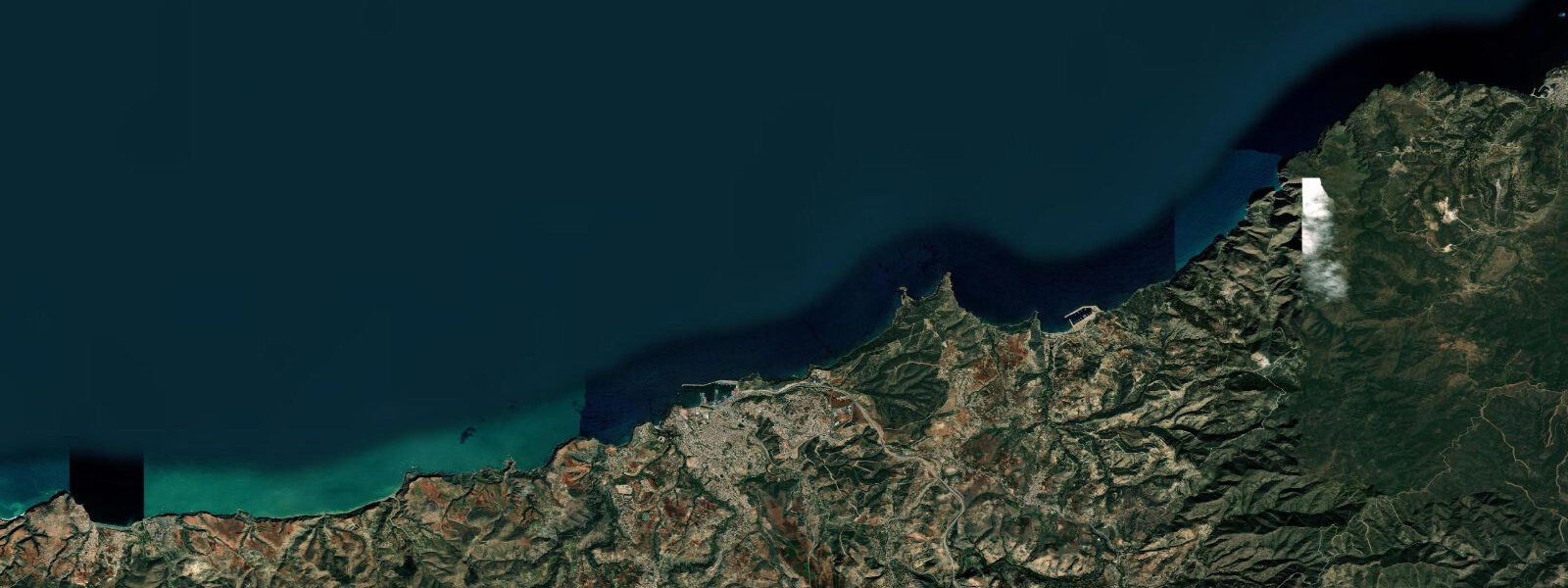
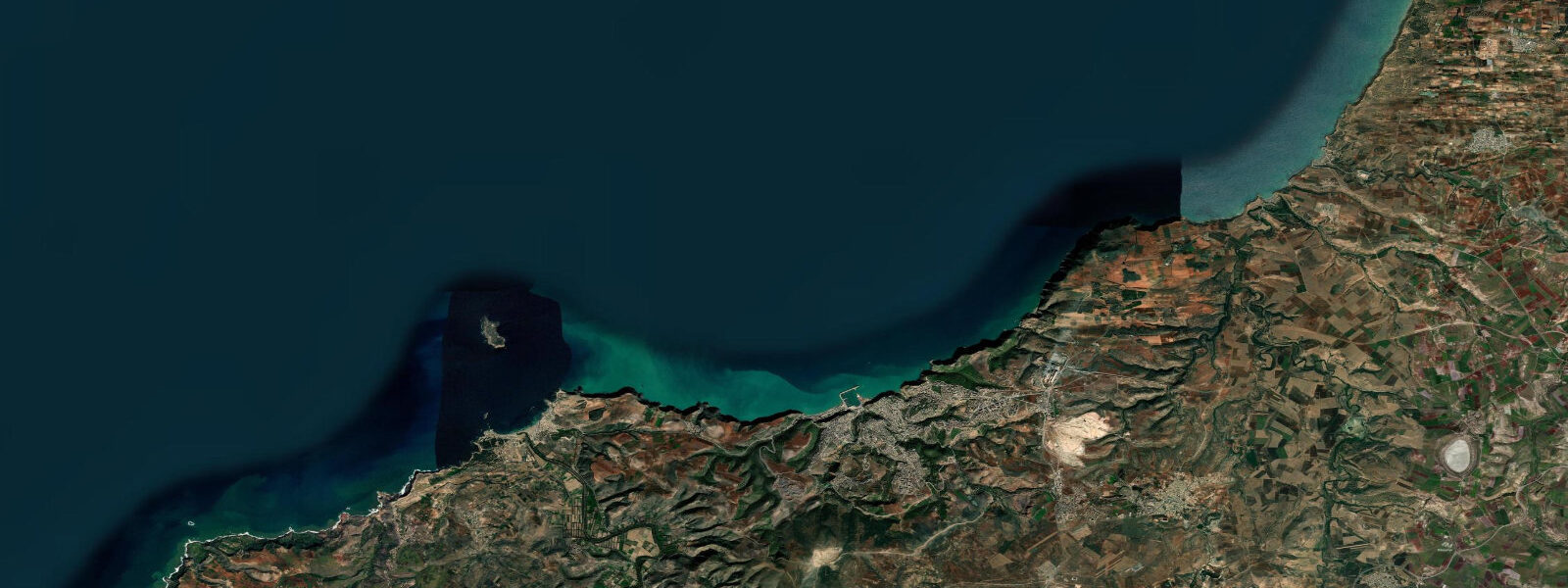
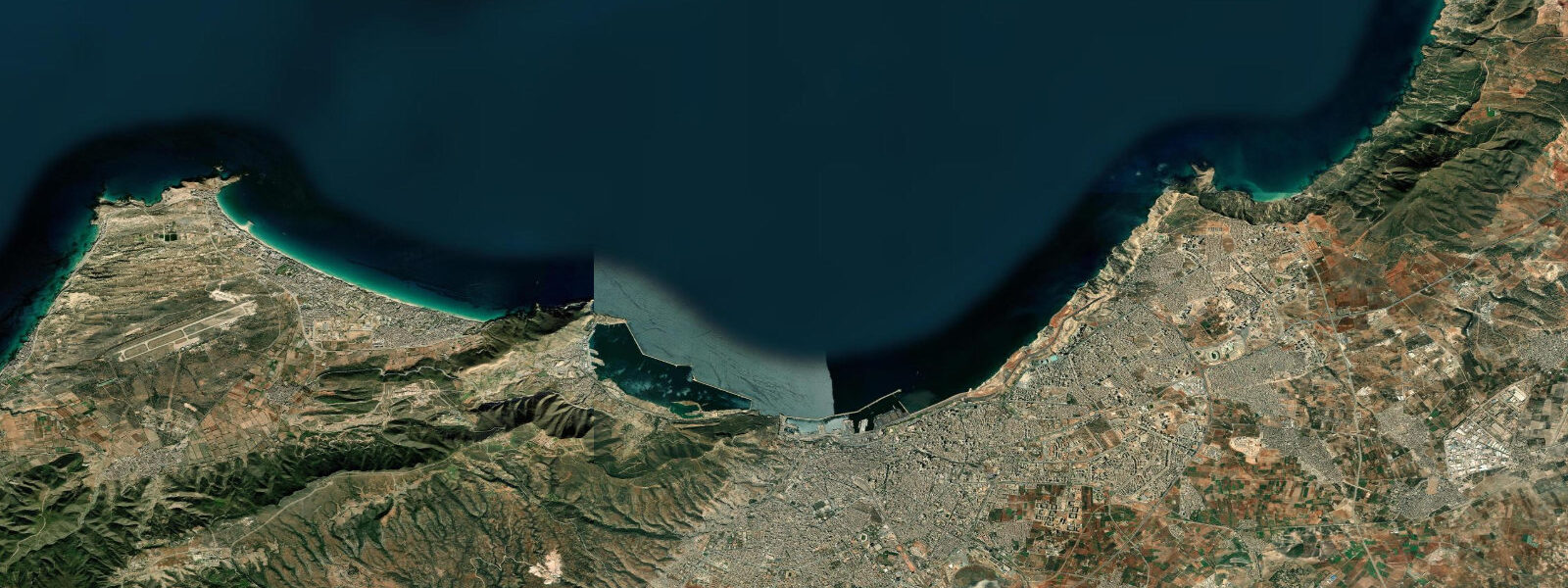
The three closest curated TideTurtle locations to Honaine, measured by great-circle distance.
Today's solunar windows
Solunar tradition: major periods are the ≈3h windows around moon transit and opposition; minor are ≈2h around moonrise and moonset. Pair with the local tide stage and wind for the best read.
About tides at Honaine
A short guide to the coastline at Honaine — geography, sea state, and what the tide is actually doing under your feet.
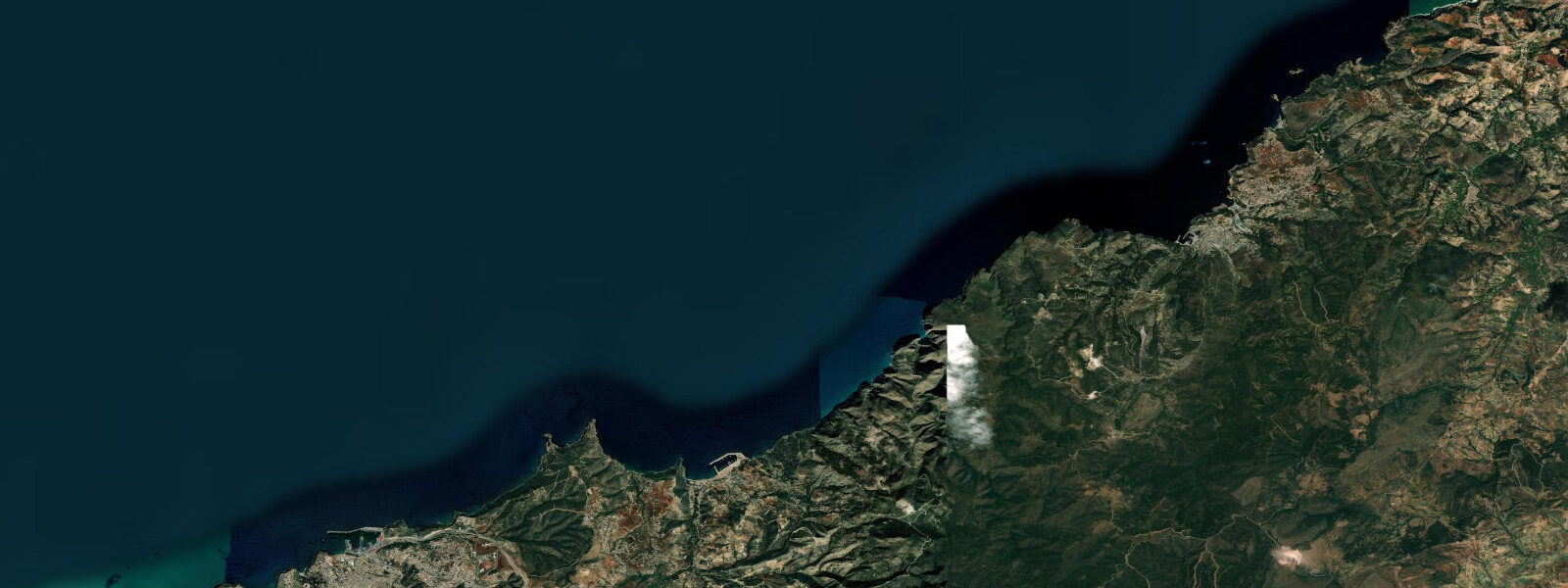
Honaine is a small coastal settlement between Ghazaouet and Beni Saf on the western Algerian Mediterranean coast. A natural harbour sheltered by limestone headlands, it has been used as a landing and anchorage since antiquity — the sheltered bay gave it strategic value on a coastline otherwise characterised by exposed headlands and cliff faces. Today Honaine is a quiet beach and fishing harbour, visited primarily by Algerians from Tlemcen and Oran during the summer months.
The setting is classically western Mediterranean: pale limestone cliffs dropping to a sheltered cove, clear water over sand and rock, and a small fishing fleet of fibreglass motor dinghies tied to a modest concrete jetty. Inland, the Tlemcen uplands rise toward peaks visible from the water. The distance from Ghazaouet to the west is roughly 15 kilometres; from Beni Saf to the east, about 25 kilometres.
Tide data for Honaine comes from Open-Meteo Marine, a global gridded ocean model. Timing accuracy ±45 minutes, height accuracy ±0.2 to 0.3 metres. In the western Mediterranean, the astronomical tidal range at Honaine is 0.1 to 0.4 metres — nearly tideless. This is the smallest tidal environment covered by this platform. Wind-driven surges and atmospheric pressure changes (the inverse barometer effect: 1 hPa of low pressure raises sea level by approximately 1 centimetre) are the dominant drivers of actual water-level variability. A 20 hPa pressure difference — not unusual during winter storm passages — produces a 20-centimetre anomaly, which is comparable to the entire spring tidal range.
For swimmers and snorkellers, the near-zero tidal range means access conditions are determined almost entirely by wind and swell, not tide. The sheltered bay at Honaine is calm when the wind is from the south or east; northwest and north swells push directly into the bay and build a short, choppy sea. In calm summer conditions, the water visibility is 10 to 20 metres and the rocky bottom at 3 to 8 metres depth supports sea bream, wrasse, and octopus.
The fishing jetty and the beach immediately east of it are the social hub of Honaine in summer. Local families set up under umbrellas from July through August; the water is warmest in this period at 24 to 26°C. The beach is narrow at all conditions (Mediterranean microtidal coastlines do not expose large sand flats at low tide the way Atlantic beaches do), but the cove is clean and well-protected.
For kayakers and small-boat paddlers, the coast between Honaine and Beni Saf offers a series of sea caves and arches in the limestone headlands, best accessed by water. The 25-kilometre stretch is doable in a full day with a mid-day wind window; the afternoon westerly can build quickly on this coast between 14:00 and 16:00 in summer. Start early and plan to be off the water by noon.
Diving around Honaine accesses posidonia seagrass meadows at 5 to 20 metres on the sand-bottom sections of the bay, and rocky reef habitat with gorgonian sea fans at the headland bases. The western Algeria coast has light dive tourism compared to northern Tunisia or the Oran coast; Honaine is practically undiscovered by international divers.
The western Algeria coast between Ghazaouet and Beni Saf is a region of small fishing communities that have maintained a relationship with the Mediterranean that predates Roman colonisation. The harbour at Honaine may have been used by Phoenician traders; there are no confirmed archaeological sites at the cove itself, but the pattern of use of every sheltered bay on this coast by sequential Mediterranean cultures is well-established from comparable sites along the coast. The Roman city of Pomaria (modern Tlemcen, 70 km inland) used the coastal ports of this zone for imports and exports.
The underwater topography around Honaine's headlands is formed by the same Jurassic and Cretaceous limestone that forms the terrestrial cliffs. Submarine ridges and walls continue the cliff line below the waterline at 5 to 30 metres depth. These underwater structures support the full range of western Mediterranean hard-bottom species: fan worms, tube worms, and the slow-growing gorgonian sea fans (Paramuricea clavata) at depths below 20 metres. Fan corals in the Mediterranean grow at less than 2 centimetres per year; the large specimens visible at 25 to 30 metres depth on Honaine's outer walls represent decades to centuries of growth.
The contrast between the apparently empty summer beach and the biodiversity of the underwater zone immediately offshore is a consistent feature of the Algerian Mediterranean. Surface conditions in July and August are calm, warm, and crowded with domestic visitors; the marine environment below 10 metres is largely undisturbed.
Tide questions about Honaine
Quick answers to the most common questions about tide times, range, and water access at Honaine.
What is the tidal range at Honaine?
Honaine, on the western Algerian Mediterranean coast, has an astronomical tidal range of just 0.1 to 0.4 metres — effectively microtidal. The Mediterranean is a nearly enclosed sea with limited tidal exchange through the Strait of Gibraltar. In practice, wind setup and atmospheric pressure changes control most of the day-to-day water-level variability at Honaine. Tide predictions here come from Open-Meteo Marine; with a range this small relative to the model's ±0.2 to 0.3 metre height tolerance, the tide data is useful as a background reference rather than for precise operational planning. Wind and swell forecast are the more relevant variables for beach and diving activity.
How do I get to Honaine from Tlemcen?
Honaine is approximately 90 kilometres northwest of Tlemcen by road. The route runs through the Tlemcen mountain foothills before descending to the coast near Ghazaouet, then east along the coastal road to Honaine. Journey time is 90 to 120 minutes depending on road condition. There is no direct public transport from Tlemcen to Honaine; the practical options are private vehicle or taxi. From Ghazaouet, 15 kilometres to the west, local taxis can reach Honaine in 20 minutes. Most visitors to Honaine come as day-trippers from Tlemcen or from the Oran-Ghazaouet coastal corridor.
What is the water visibility like for snorkelling at Honaine?
In calm summer conditions (June through September), horizontal visibility in the bay is typically 10 to 20 metres over rocky and sandy bottom at 3 to 10 metres depth. The western Mediterranean is generally clearer than the central or eastern basin because of lower biological productivity and less suspended sediment from major rivers. Wind events reduce visibility by stirring the bottom in shallow areas; a north or northwest swell event can drop visibility to 3 to 5 metres in the bay. Post-swell recovery takes 1 to 2 days in calm weather. Winter visibility is lower overall due to increased biological activity and more frequent wind events.
Are there sea caves near Honaine?
The limestone headlands on either side of Honaine's bay contain multiple sea caves and arched formations accessible by kayak or small boat. The caves are best entered at the calmest part of the day — early morning, before the afternoon westerly builds — and in settled swell conditions. Cave dimensions vary: some are large enough to paddle through with a sea kayak; others are swim-through only in calm conditions. There are no established guided cave-diving operations at Honaine; exploration is done independently or via Oran-based dive operators on organised coastal trips. Standard cave safety rules apply: never enter enclosed underwater passages without proper equipment and training.
What fish are found around Honaine?
The rocky reef and posidonia seagrass habitat around Honaine supports typical western Mediterranean species: saddled bream, two-banded bream, painted comber, wrasse species (including the ornate wrasse), red scorpionfish, and moray eels in the rock crevices. Octopus is present in the shallower rocky zones. Sea urchins (Paracentrotus lividus) are abundant on the rocky bottom; they are collected locally and eaten fresh, and are a good indicator of the reef's health. Bluefish (Pomatomus saltatrix) and Atlantic bonito pass through the western Mediterranean seasonally, and shore-cast spinning with metal lures from the jetty produces occasional pelagic catches in late summer and autumn.
7-day tide table — Honaine
Heights relative to MSL. Predictions: Open-Meteo Marine (MeteoFrance SMOC, 0.08° grid) — heights relative to MSL (not chart datum / LAT). Model-derived.
| Day | Type | Time | Height |
|---|---|---|---|
| Tue 04 Aug | Low | 01:00 | -0.3m |
| High | 06:10 | -0.2m | |
| Low | 12:10 | -0.4m | |
| High | 19:00 | -0.1m | |
| Wed 05 Aug | — | ||
| Thu 06 Aug | Low | 02:00 | -0.4m |
| High | 08:50 | -0.2m | |
| Low | 13:10 | -0.3m | |
| Fri 07 Aug | — | ||
| Sat 08 Aug | — | ||
| Sun 09 Aug | — | ||
| Mon 10 Aug | High | 00:10 | -0.1m |