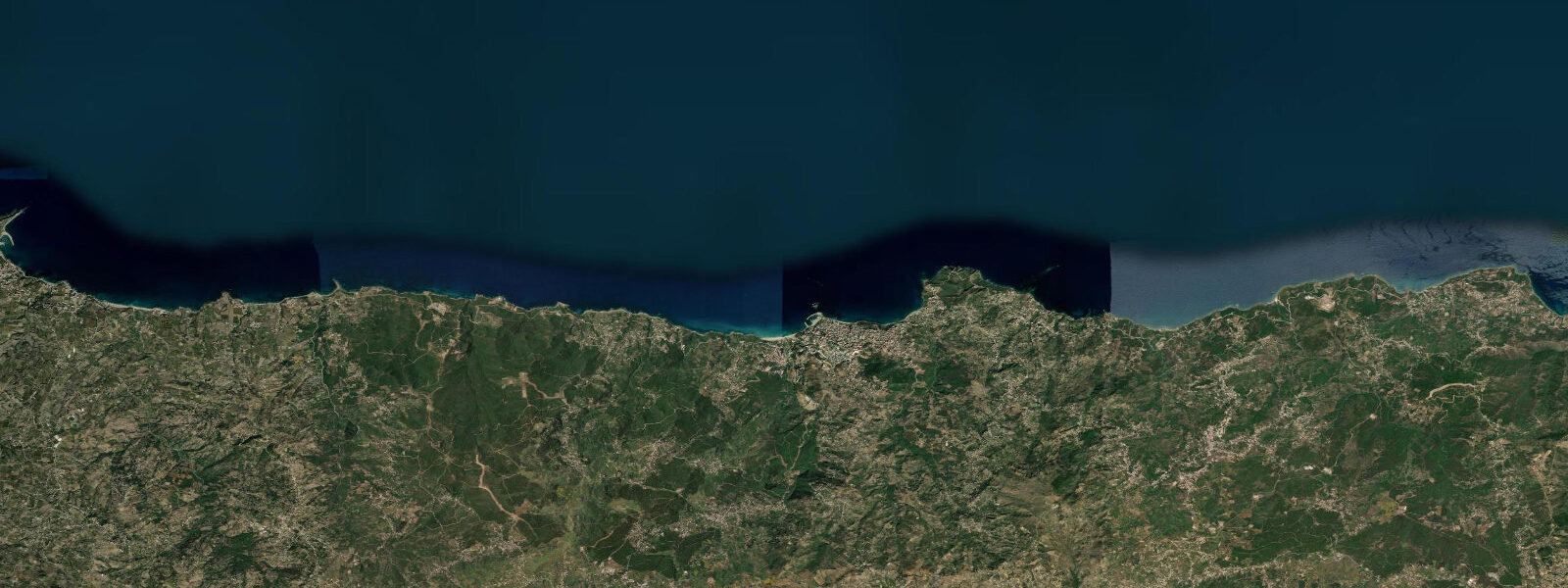
Tigzirt tide times
Tigzirt tide forecast — heights relative to MSL.
Today's tide times for Tigzirt
Tide times at Tigzirt on Tuesday, 4 August 2026: first high tide at 01:00am. Sunrise 05:50am, sunset 07:48pm.
Tide chart for Tigzirt
24-hour cosine-interpolated curve around the present moment. Heights relative to MSL. Predictions: Predictions: Open-Meteo Marine (MeteoFrance SMOC, 0.08° grid).
Sun, moon and conditions on Tue 04 Aug
Snapshot at build time — refreshes daily. Sea state from Open-Meteo Marine.
Highs and lows next 7 days
Every predicted high and low for the next week, with the daily tidal coefficient (0–120; higher = bigger swing, > 95 means stronger currents).
Other spots nearby
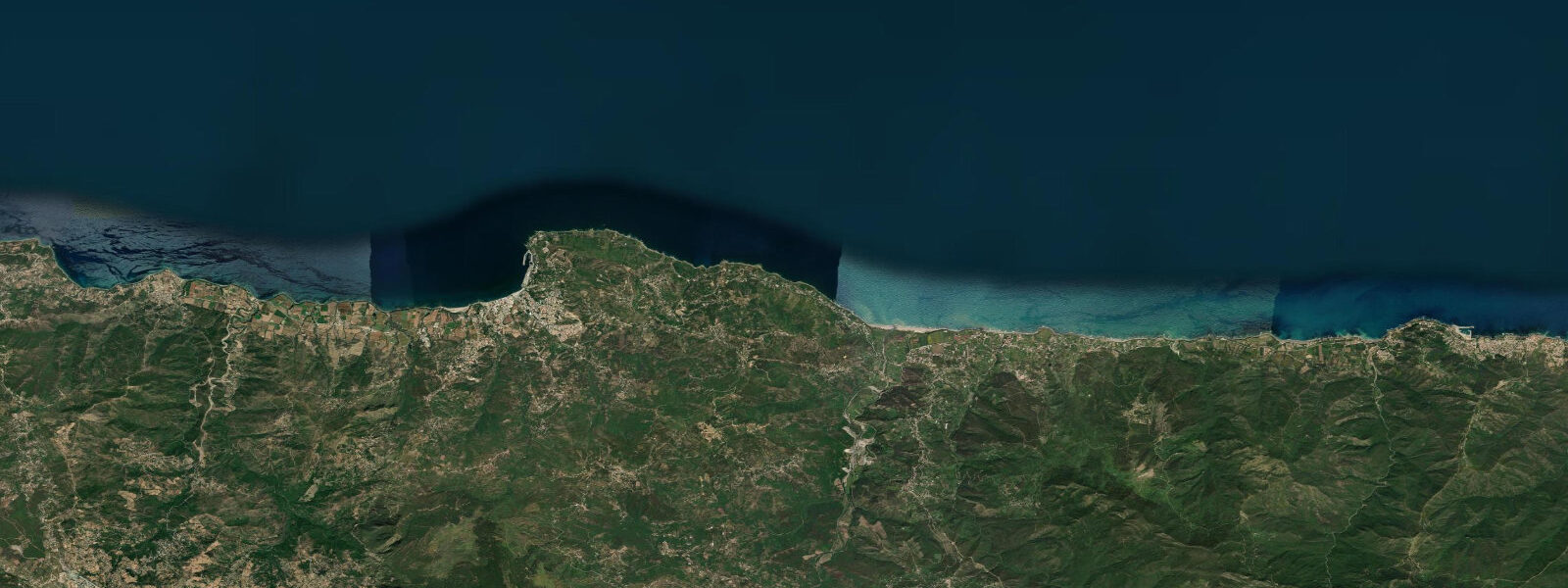
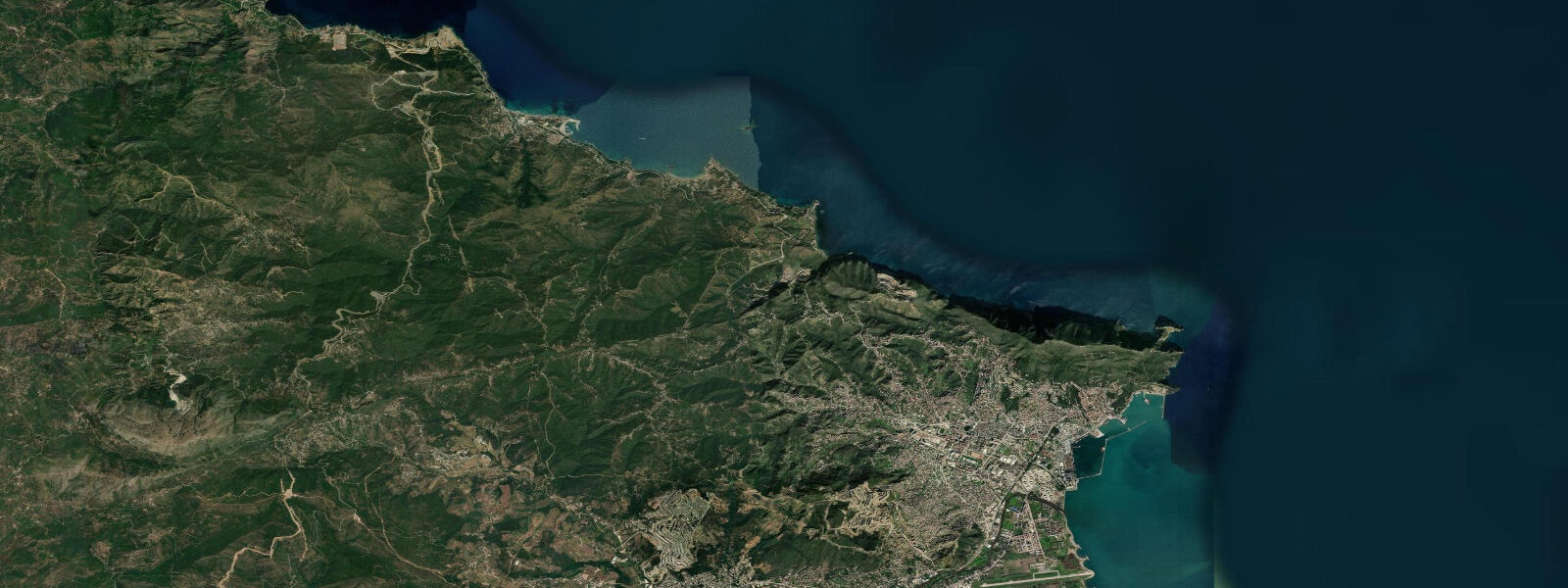
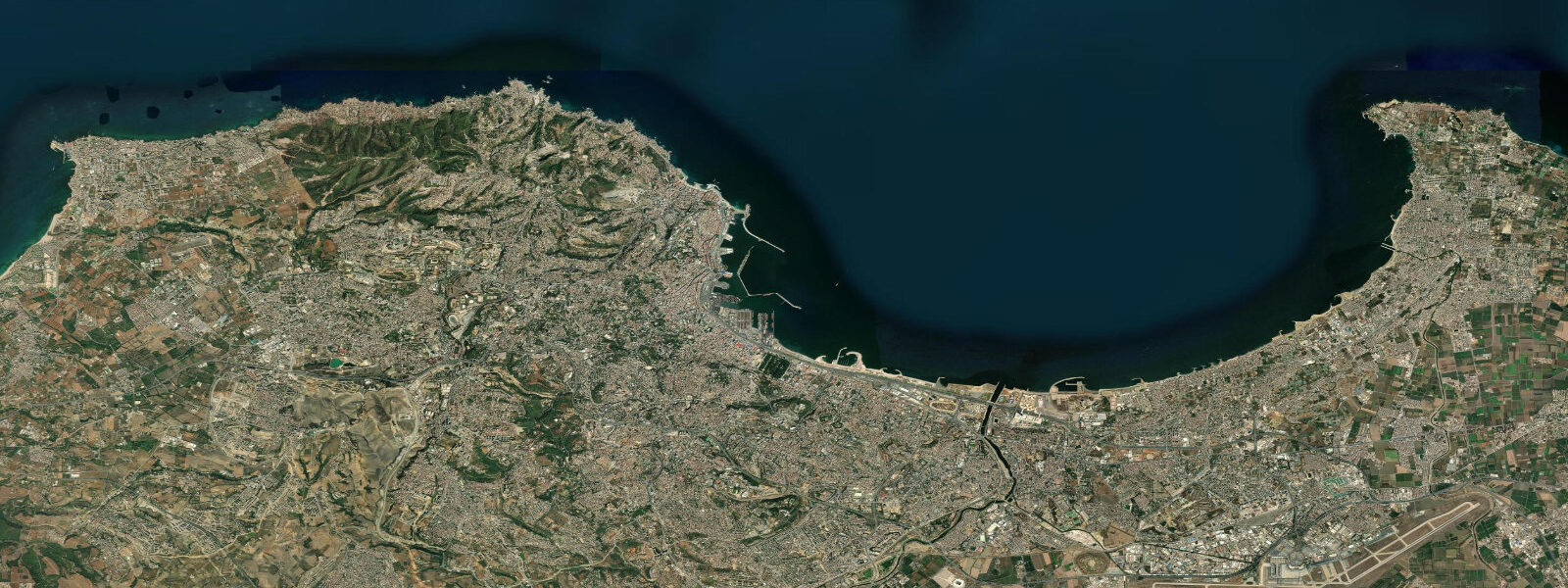
The three closest curated TideTurtle locations to Tigzirt, measured by great-circle distance.
Today's solunar windows
Solunar tradition: major periods are the ≈3h windows around moon transit and opposition; minor are ≈2h around moonrise and moonset. Pair with the local tide stage and wind for the best read.
About tides at Tigzirt
A short guide to the coastline at Tigzirt — geography, sea state, and what the tide is actually doing under your feet.
Tigzirt sits on a small rocky promontory jutting into the Mediterranean about 80 kilometres east of Algiers, where the Kabyle mountains drop steeply to the sea. It is one of the oldest continuously occupied coastal sites in Algeria — the Romans knew it as Iomnium, and the ruins of a Byzantine basilica still stand near the town centre, mosaic floors partially visible beneath protective covers. That layering of Berber, Roman, Byzantine, Arab and French influence is baked into the landscape in a way that few North African coastal towns can match.
The beach at Tigzirt runs along the eastern side of the promontory, sheltered from the prevailing westerly by the headland itself. In July and August the sand fills with Algerians from Tizi Ouzou and Algiers — this is a deeply local resort, not an international tourist destination, which gives it an authenticity rare on the Mediterranean. Outside of high summer you often have the beach nearly to yourself. The water is clear and warm from June through October, typically reaching 24–26°C at peak summer, dropping to 17–18°C by November.
The underwater landscape around Tigzirt's headland is worth exploring for snorkellers and intermediate divers. The rocky drop-offs on the western side of the promontory hold grouper, sea bream, and octopus in the 5–18 metre range. Visibility is generally 8–15 metres in calm conditions — the main factor degrading it is wind-driven swell from the northwest, which can stir sediment in the shallower areas. Calm mornings after settled weather offer the best conditions.
Tides on the Algerian Mediterranean coast are microtidal: mean spring range rarely exceeds 0.3 metres at Tigzirt, and the pattern is mixed semidiurnal with a strong diurnal inequality. In practice, what moves water level more noticeably is the north and northwest wind — the Tramontane and Mistral variants that cross the western Mediterranean produce setup on the Algerian coast during sustained events, raising water 20–40 cm above predicted. For most recreational purposes, the tide is irrelevant; the swell forecast matters far more.
Access to Tigzirt from Algiers is by road through Tizi Ouzou, roughly two hours in normal traffic. The town has a functioning harbour used by small fishing boats — the fishermen land sea bream, octopus, and seasonal tuna, and it is usually possible to buy directly from the boats in early morning. The Corniche Kabyle road east of Tigzirt toward Azeffoun is one of the most scenic coastal drives in North Africa, with multiple cliff-top viewpoints over near-vertical drops to the water.
Predictions on this page come from Open-Meteo Marine, a gridded global ocean model. Accuracy is typically within plus or minus 45 minutes on timing and 0.2 to 0.3 metres on height — model-derived, not from a local gauge. For Algerian coastal conditions, consult the Office National de Météorologie (meteo.dz) for wind and sea-state forecasts.
Fishing from the Tigzirt harbour breakwater produces sea bream, bogues, and mullet on most evenings, particularly in spring and autumn when the fish move inshore to feed on the abundant baitfish schools. Squid jigging from the breakwater is productive from October through December; local fishermen can point to the best spots. The rocks east of town, accessible by a short walk along the clifftop, have clean drops into deep water that hold grouper and occasional amberjack. A licence is not required for recreational sea fishing in Algeria.
The summer jellyfish season at Tigzirt typically runs from mid-July through August when Pelagia noctiluca pulses arrive from the open western Mediterranean. The stings are painful but not medically serious for healthy adults. Local fishermen and the beach community generally know whether jellyfish are present before you arrive — a quick conversation at the harbour in the morning is the most reliable early warning system available.
Tide questions about Tigzirt
Quick answers to the most common questions about tide times, range, and water access at Tigzirt.
Is Tigzirt good for snorkelling and diving?
Yes — the rocky headland on the western side of Tigzirt's promontory offers some of the best accessible snorkelling on the Algerian coast. The 5–18 metre depth range holds healthy populations of grouper, sea bream, moray eel, and octopus. Visibility is typically 8–15 metres in settled conditions. The main risk factor is northwest swell, which stirs sediment in shallower areas and can make entry on the rocky sections uncomfortable. Calm mornings are best — wind typically builds through the afternoon in summer. There are no established dive centres in Tigzirt itself; divers tend to come from Tizi Ouzou or Algiers with their own equipment.
What is the best time of year to visit Tigzirt?
June through September for swimming and snorkelling — water temperatures reach 24–26°C and settled Mediterranean high-pressure weather dominates. July and August are peak domestic season and the beach fills with Algerian holidaymakers; June and September offer the same warm water with significantly fewer people. Spring (April–May) brings clear water and good visibility for diving, though sea temperature is still 16–18°C. Winter visits are possible — the Corniche Kabyle road is passable year-round and the Byzantine ruins can be explored without summer heat. For fish activity near the reefs, autumn (October–November) is often productive as sea bream and grouper move shallower.
What is the tidal range at Tigzirt?
Very small — mean spring range is typically under 0.3 metres. The Algerian Mediterranean coast sits in the semi-enclosed western Mediterranean basin, which attenuates the Atlantic tidal signal to microtidal levels. The tidal pattern is mixed semidiurnal with pronounced diurnal inequality, meaning some days produce one dominant high tide per day rather than two equal ones. Wind-driven water level variation usually exceeds the astronomical tide at Tigzirt: sustained northwest winds can push coastal levels 20–40 cm above predicted. For recreational purposes — swimming, snorkelling, fishing from shore — the tide is essentially irrelevant, and the swell and wind forecast is the key planning variable.
Is it safe to swim at Tigzirt beach?
Generally yes, on the main beach on the eastern side of the promontory. The beach is sheltered from the prevailing westerly swell and the gradient is gradual. In July and August the beach has supervised zones. Swimming off the western rocky headland requires more care — the rocky entry can be slippery and northwest swell can produce unexpected surge. Jellyfish (Pelagia noctiluca, the small purple jellyfish) arrive in pulses during summer, typically following southwest winds; these cause a stinging rash rather than serious danger but can make swimming unpleasant for a day or two. Check with local fishermen in the morning about jellyfish presence before going in.
How do I get to Tigzirt from Algiers?
By road: take the N12 east from Algiers to Tizi Ouzou (approximately 100 km, 1.5 hours in normal traffic), then head north on the road toward the coast — Tigzirt is a further 35 km, roughly 45 minutes. Total driving time from Algiers is typically 2–2.5 hours depending on traffic through Tizi Ouzou city. Shared taxis (louages) run from Tizi Ouzou bus station to Tigzirt daily, taking about an hour. There is no train connection to the coast in this section. The Corniche Kabyle road continues east from Tigzirt toward Azeffoun and is worth driving even if you're not stopping — cliff viewpoints over the Mediterranean are some of the finest in North Africa.
8-day tide table — Tigzirt
Heights relative to MSL. Predictions: Open-Meteo Marine (MeteoFrance SMOC, 0.08° grid) — heights relative to MSL (not chart datum / LAT). Model-derived.
| Day | Type | Time | Height |
|---|---|---|---|
| Tue 04 Aug | High | 01:00 | -0.2m |
| Wed 05 Aug | — | ||
| Thu 06 Aug | — | ||
| Fri 07 Aug | — | ||
| Sat 08 Aug | — | ||
| Sun 09 Aug | Low | 10:00 | -0.4m |
| High | 18:50 | -0.2m | |
| Mon 10 Aug | — | ||
| Tue 11 Aug | Low | 00:00 | -0.3m |